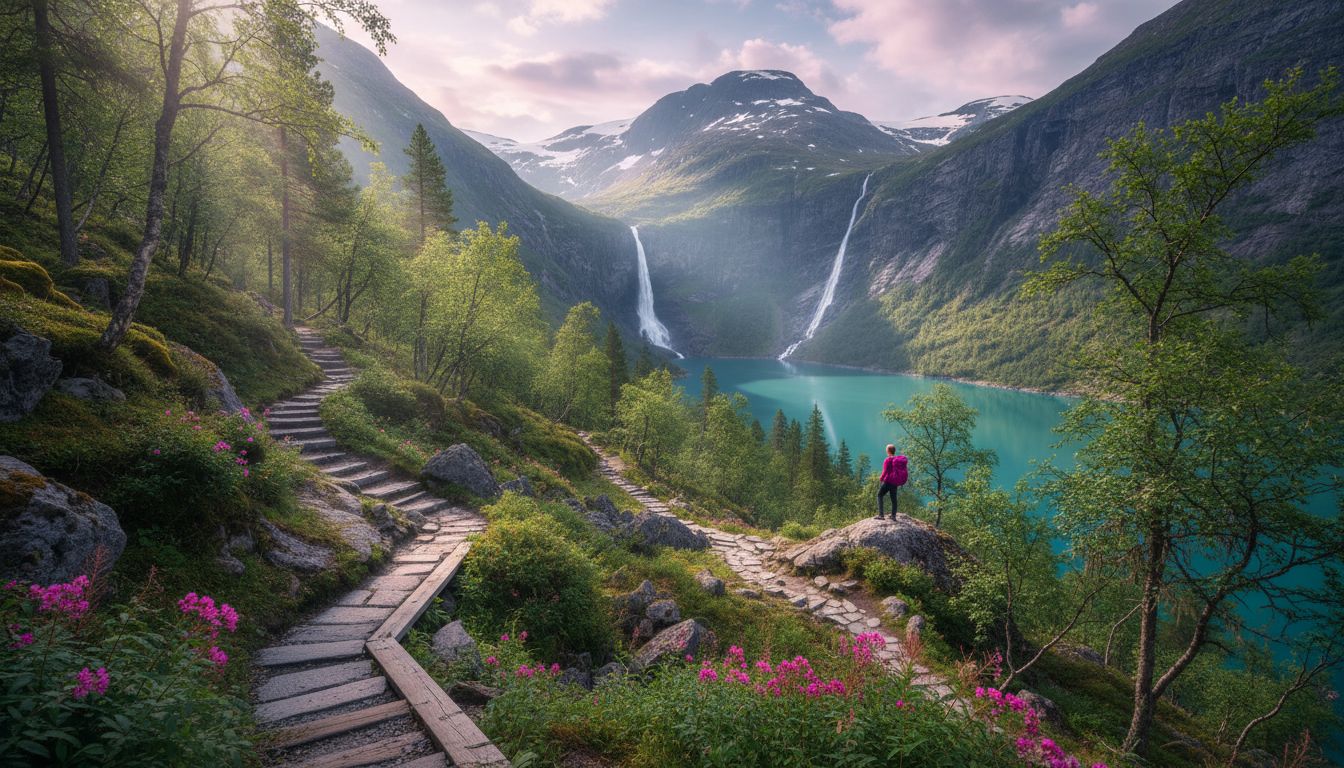
If you're trying to figure out the best way to visit fjords in Norway, the short answer is this: for most first-time travelers, combine a fjord cruise with a base in Bergen or Flåm, then add trains, buses, hikes, or a self-drive day only if you have extra time. The West Norwegian fjords around Geirangerfjord and Nærøyfjord are UNESCO-listed and sit in one of Europe's most dramatic fjord landscapes, while official travel sources note that many fjords can be reached year-round by boat, bus, ferry, or train. (whc.unesco.org)
Quick answer
If you want the simplest version of the best way to visit fjords in Norway, keep your trip focused and choose one of these approaches:
- Best overall: stay in Bergen or Flåm and do one major fjord cruise plus one scenic transport leg. This gives you classic views without constant packing and unpacking. (visitnorway.com)
- Best without a car: use trains, buses, ferries, and cruises. Entur is the official planner for timetables, and Visit Norway highlights several fjord-friendly bus and boat connections. (visitnorway.com)
- Best for a road trip: drive the scenic routes in western Norway, especially Geiranger-Trollstigen or the Hardanger routes. These are the trips where stopping for viewpoints, waterfalls, and small villages pays off. (visitnorway.com)
- Best for adventure: add kayaking or hiking around Lysefjord, Fjærland, or the UNESCO fjords. That works especially well if you want to be on the water, not just looking at it. (visitnorway.com)
The real answer is that the best way to visit fjords in Norway depends on your travel style. If you want the easiest first trip, choose a cruise-based itinerary. If you want flexibility and more stops, self-driving wins. If you want the lowest-stress option without a car, the rail-plus-ferry combination is hard to beat. (visitnorway.com)
Compare the main ways to see the fjords

The comparison below is a practical synthesis of official ferry, scenic route, rail, and activity options, so you can match the trip to your budget, time, and energy. (visitnorway.com)
| Method | Cost | Ease | Scenic value | Best for |
|---|---|---|---|---|
| Fjord cruise | $$ to $$$ | Very easy | Very high | First-time visitors, photographers, families |
| Self-drive road trip | $$ to $$$ | Moderate | Very high | Flexibility, road-trip lovers, multi-stop itineraries |
| Train + bus + ferry combo | $ to $$ | Easy | High | Travelers without a car, relaxed planners |
| Guided day tour | $$ to $$$ | Easiest | High | Short trips, cruise passengers, stress-free logistics |
| Hiking-based trip | $ to $$ | Moderate to hard | Very high | Active travelers, longer stays |
| Kayaking | $$ | Moderate | High | Adventure travelers, quiet scenery, close-up water time |
A good rule of thumb is this: cruises and guided tours give you the classic postcard experience with very little effort, while self-drive and hiking give you more control and a deeper sense of place. If your time is short, book one centerpiece experience and build the rest of the trip around it. (visitnorway.com)
The best way for most first-time visitors
Bergen is one of the best bases for a fjord trip because it is compact, well connected, and sits close to iconic fjord country. Visit Norway also highlights Bergen as a gateway to Sognefjord and Hardangerfjord, which makes it a smart starting point if you do not want to spend your whole trip in transit. Flåm is the other obvious base, especially if you want easy access to fjord cruises and scenic rail links. If you are planning a wider Nordic trip, our destinations across Scandinavia page is a useful place to compare regions before you commit. (visitnorway.com)
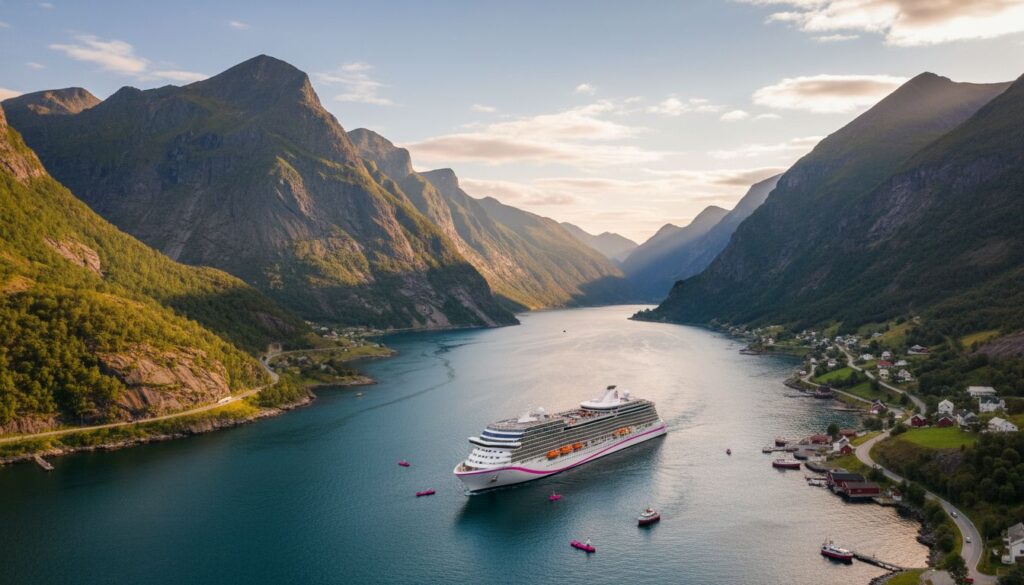
For a first visit, the sweetest spot is usually a short Bergen or Flåm stay with one major fjord outing. A Bergen to Flåm boat trip on the Sognefjord runs from April to October and takes about 5.5 hours one way, while Nærøyfjord cruises between Flåm and Gudvangen have multiple departures per day. That combination gives you a lot of scenery without requiring a full road-trip itinerary. (visitnorway.com)
If you only have a long weekend, aim for one fjord region instead of trying to tick off several. The fjords are spread across western Norway, and the best trip is usually the one that lets you slow down long enough to enjoy one or two landscapes properly. (whc.unesco.org)
Best fjords and routes to prioritize

Nærøyfjord and Aurlandsfjord
If you want the most concentrated wow factor, start here. Nærøyfjord is one of Norway's most famous UNESCO fjords, and the Flåm to Gudvangen cruise makes it very easy to experience even on a short itinerary. The setting is narrow, steep, and intensely scenic, which is why this area works so well for first-time visitors and photographers. (whc.unesco.org)
Geirangerfjord
Geirangerfjord is the classic pick for a dramatic drive-and-viewpoint trip. The Geiranger-Trollstigen scenic route is 104 kilometers long, includes a ferry crossing, and is known for its hairpin bends, waterfalls, and mountain views. Because parts of the road are seasonal and can close with short notice, it is best suited to summer or early autumn travel. (visitnorway.com)
Sognefjord
Sognefjord is the grand, all-day version of the fjord experience. Visit Norway describes it as Norway's longest and deepest fjord, and official cruise listings show a direct Bergen to Flåm journey that takes you into the heart of Fjord Norway. If you want a trip that feels spacious rather than rushed, this is a strong choice. (visitnorway.com)
Lysefjord and Hardangerfjord
Choose Lysefjord if your trip should include kayaking or a more active day on the water. Visit Norway lists guided kayaking experiences there and around nearby fjord areas, which makes the region ideal for travelers who want to paddle instead of only sightseeing from shore. Hardangerfjord is a great match for road-trippers because the scenic route brings together mountains, waterfalls, orchards, and wide fjord views in a single drive. (visitnorway.com)
If you are trying to choose the best route from Oslo, the most relaxed no-car option is usually a rail-based journey that includes the Bergen Railway and the Flåm Railway, then connects to a fjord cruise. Visit Norway's own route suggestions show that this style of trip can work beautifully as a self-guided multi-day itinerary. (visitnorway.com)
How to get around without a car
You do not need a car to see the fjords well. Visit Norway points travelers to Entur, Norway's official route planner, for up-to-date buses, ferries, trains, and other transport options, and its scenic bus pages show how much of western Norway can be experienced from public transport. That makes a car-free fjord trip not only possible, but often easier than trying to manage parking, ferries, and narrow roads on your own. (visitnorway.com)
A smart car-free approach is to use Bergen, Flåm, Ålesund, or Stavanger as a base and then stitch together one or two scenic legs. This is where a good itinerary matters more than a long list of destinations. If you want a starting point for planning, the Scandinavia Holiday home page is a simple place to explore your options before you lock in transport and hotels. (visitnorway.com)
For many travelers, the car-free formula is the best way to visit fjords in Norway because it removes stress without sacrificing scenery. You can still ride ferries, see waterfalls, and reach iconic viewpoints, but you do not have to spend your whole trip behind the wheel. (visitnorway.com)
When is the best time to visit the fjords?

The fjords are accessible all year, but each season changes the mood of the trip. Visit Norway says spring brings melting snow and stronger waterfalls, summer offers the best weather and the fullest tourist infrastructure, autumn adds color and fewer crowds, and winter is quieter with a dramatic atmosphere. Summer is also the peak season, so accommodation and cruises should be booked early. (visitnorway.com)
My practical rule is simple. If you want the best balance of weather and breathing room, target late spring or early autumn. That is an inference from official season notes, because you still get strong scenery and functioning tourist services without the highest summer pressure. (visitnorway.com)
If you are going in summer, plan ahead rather than hoping to improvise. Popular fjord cruises, stays, and campsites fill quickly, especially in the famous western fjord zones. If you are visiting in winter, check which boats, activities, and hotels are actually operating before you set your route. (visitnorway.com)
Sample itineraries for different travel styles
A simple three-day fjord itinerary could look like this: Bergen, one night in Flåm, one fjord cruise on Nærøyfjord or Sognefjord, then back to Bergen or on toward another region. That mirrors the kind of self-guided, rail-and-cruise itinerary Visit Norway highlights for the Sognefjord area, and it is usually the best fit for travelers who want a lot of scenery in a short window. For more route ideas before you build your own version, our Nordic travel inspiration for Norway routes page can help. (visitnorway.com)
If you have four to five days, add one road-based detour or a second fjord area. Bergen to Hardangerfjord is a natural extension if you like waterfalls, orchards, and easy driving, while Geiranger makes more sense if your priority is iconic viewpoints and the classic mountain-road experience. A longer trip gives you room to stop for hikes, local food, and smaller villages instead of treating the fjords like a checklist. (visitnorway.com)
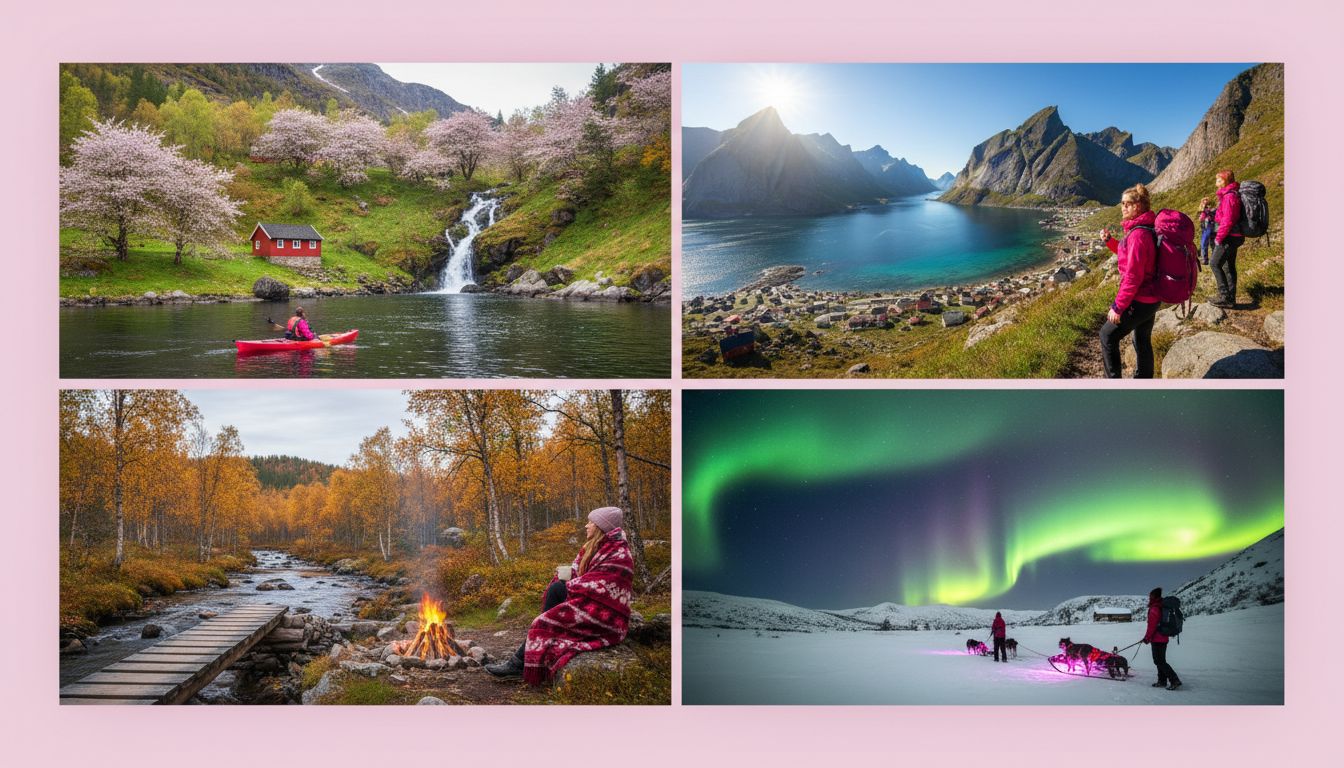
For active travelers, combine one scenic base with a hike or paddle. Lysefjord and the Fjærland area both have official kayaking options, and Visit Norway also highlights hiking and spring skiing around the fjord region, so it is easy to build a trip that feels more immersive than a standard sightseeing loop. (visitnorway.com)
Budget, crowds, and booking tips
The cheapest fjord trip is not always the best one, but the most expensive one is not automatically the smartest either. In practice, the best value often comes from combining public transport with one standout experience, such as a cruise or scenic rail segment. Renting a car makes sense if you want maximum freedom, yet it also adds fuel, parking, and ferry costs, so the budget can rise quickly. (visitnorway.com)
Crowd strategy matters almost as much as route choice. Summer is the busiest period, and official sources explicitly recommend booking accommodation, camping, and cruises ahead of time. A practical inference is to prefer the first or last departure of the day when possible, because the middle of the day is usually when tour groups and cruise traffic concentrate. (visitnorway.com)
If you want a calmer trip without giving up the big views, travel slightly outside peak season and stay overnight in a fjord village instead of doing everything as a day trip. That single move usually improves both the pace and the photos. (visitnorway.com)
Mistakes to avoid
- Trying to see too many fjords in one trip. The geography is larger than it looks on a map, and too much movement can turn a scenic holiday into a transfer day. (whc.unesco.org)
- Assuming every road is open all the time. Some scenic routes are seasonal, and the Geiranger-Trollstigen road can close with short notice. (visitnorway.com)
- Packing for sunshine only. The fjords can change quickly, so layers and rain protection are worth it in every season. That advice lines up with the region's changeable weather and seasonal differences. (visitnorway.com)
- Waiting too long to book summer stays and cruises. Popular places sell out, especially in the most famous western fjord areas. (visitnorway.com)
- Thinking a car is always the easiest option. On many routes, buses, ferries, and trains are actually the simpler way to move between fjord stops. (visitnorway.com)
The bottom line
If you want the best way to visit fjords in Norway, start with the simplest version of the trip that still gives you the scenery you came for. For most people, that means one base, one cruise, and one scenic transfer, usually centered on Bergen, Flåm, Nærøyfjord, or Sognefjord. If you have more time, add a road trip or an active day on the water. If you have less time, keep it focused and let one great fjord do the heavy lifting. (visitnorway.com)
That is usually the most rewarding balance of beauty, ease, and value, and it is the one that leaves most travelers wanting to come back for a slower second trip.
Article created using Lovarank