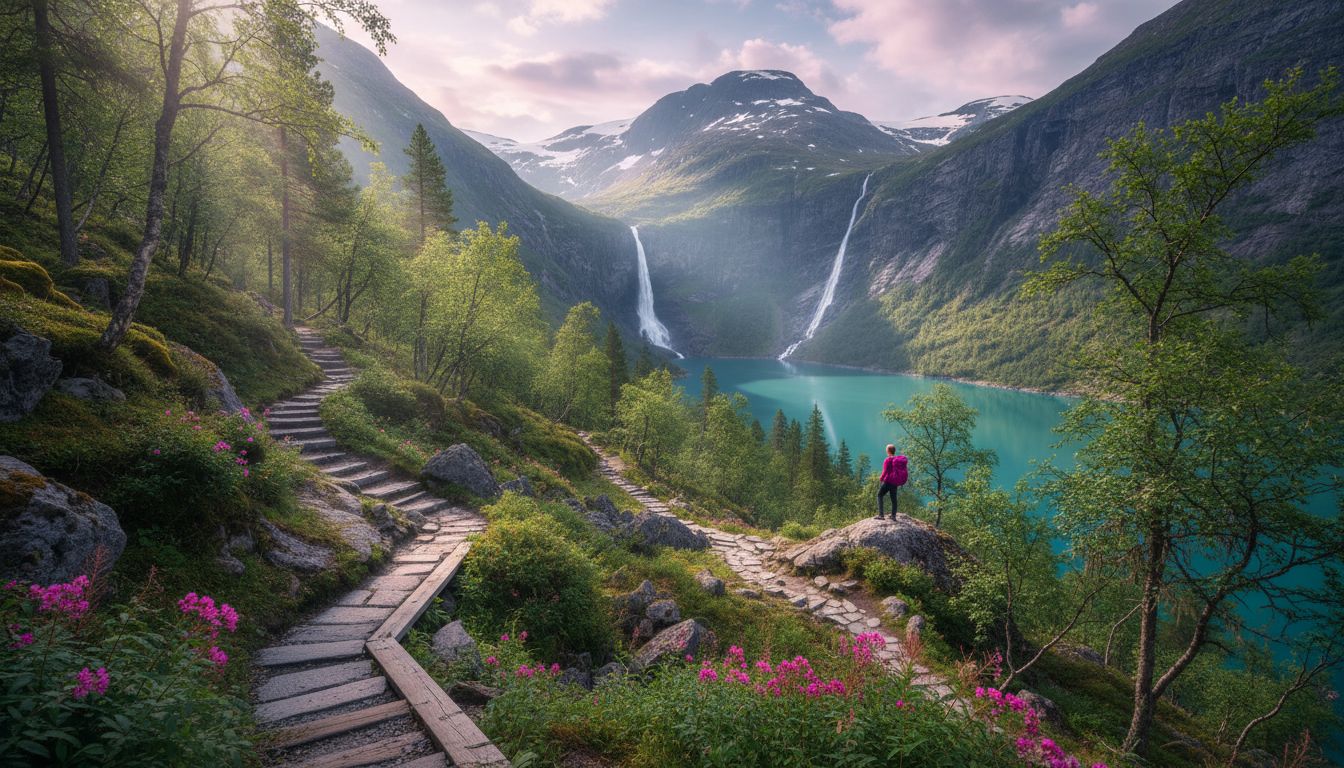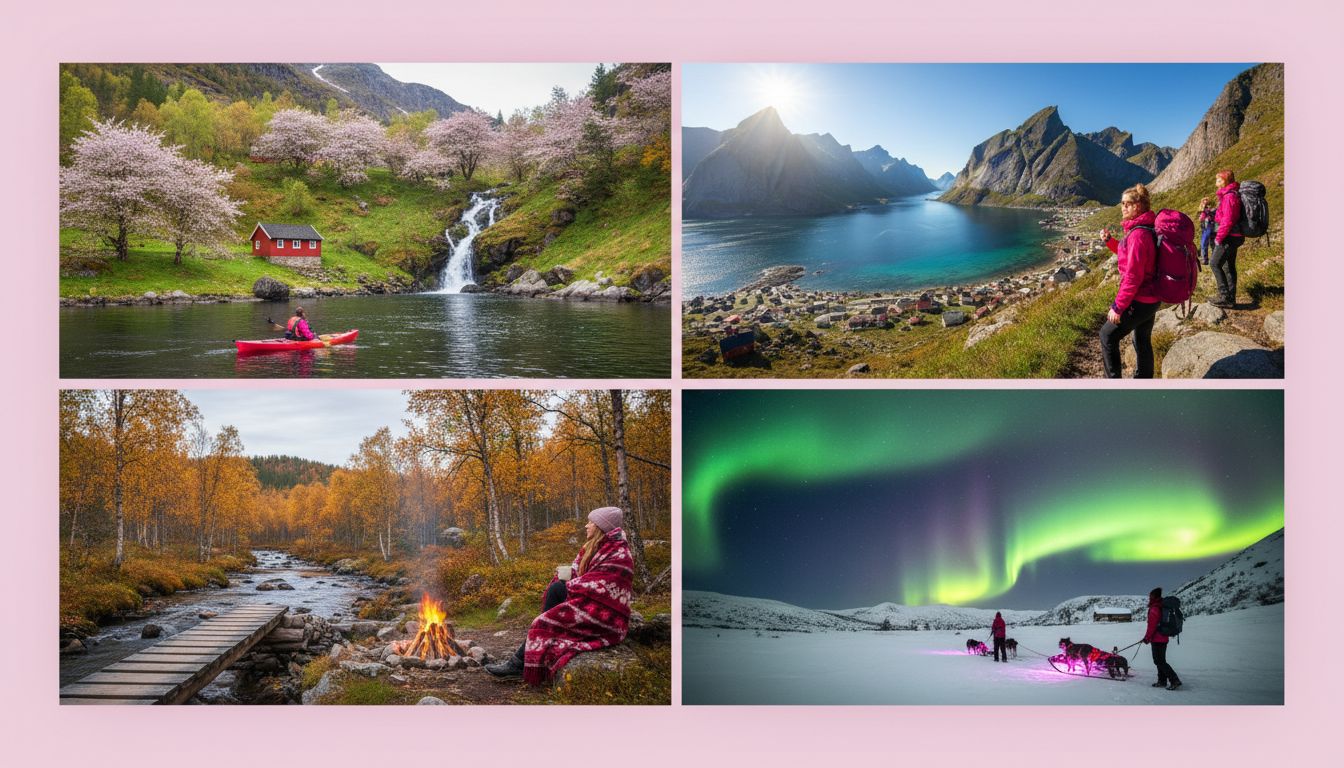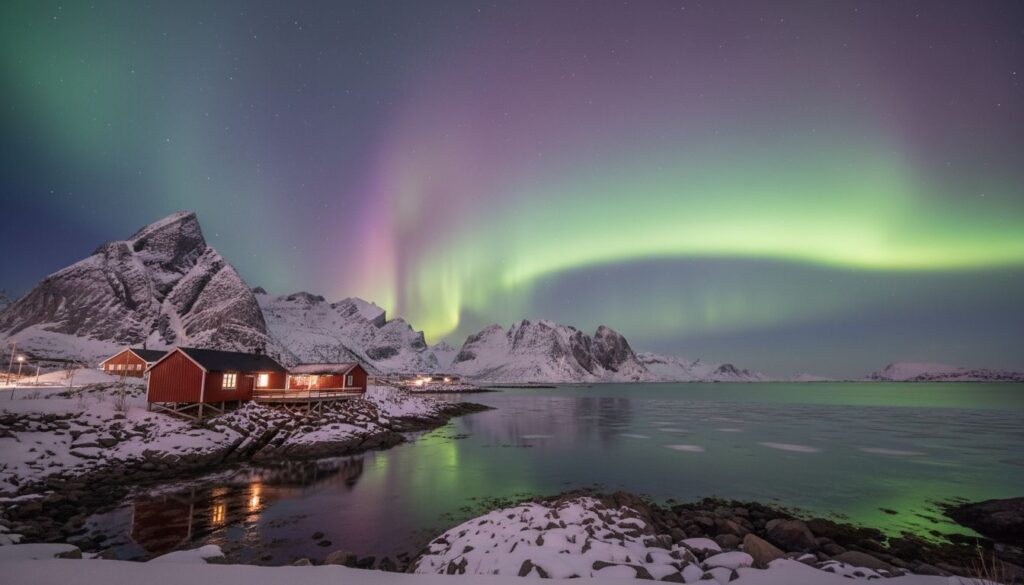
Norway changes dramatically with the calendar. One trip can mean chasing the midnight sun above the Arctic Circle, another can be about snug fjord towns under the Northern Lights. Choosing the best time to visit Norway depends on what you want to do, where you want to go, and how much you want to spend. This guide breaks it down month by month, highlights the best windows for key activities, and gives practical tips on packing, transportation, costs, and booking so you can plan confidently.
Quick answer: when is the best time to visit Norway?
- If you want long, warm days for hiking and fjord cruises: late June to August is best.
- For the Northern Lights and winter sports: late November through March is prime.
- For fewer crowds, lower prices, and good weather for hiking: May and September are ideal shoulder months.
For a quick checklist by goal:
- Northern Lights: November to March
- Midnight Sun: late May to late July in the Arctic
- Fjord cruises: May through September
- Hiking: May through September, peak in July
- Skiing and winter activities: December through March
For seasonal inspiration and trip ideas, see these seasonal Norway travel ideas: seasonal Norway travel ideas.
Understanding Norway's seasons

Norway stretches more than 1,750 kilometers from south to north, so weather and daylight vary widely by region. In the south including Oslo and Kristiansand you will find milder winters and warmer summers. The western fjords around Bergen are wetter but moderated by the Gulf Stream. Above the Arctic Circle you will experience midnight sun in summer and polar night in winter.
Key things to know:
- Daylight swings are extreme. Tromsø can have continuous daylight in June and 20 hours of darkness in December. In Oslo the variation is noticeable but less extreme.
- Coastal areas are tempered by ocean currents, which mean more rain but less temperature extremes.
- Inland and mountain areas can keep snow late into spring and have clear, dry winters ideal for skiing.
Understanding these patterns helps match activities to the right month and region.
Month-by-month guide

Below is a practical month-by-month breakdown. For each month you will find typical weather, daylight, what to do, crowd levels, price trends, events, and best places to visit.
January
- Weather and daylight: Deep winter across Norway. Southern cities around 0 to -5 C. Northern Norway often well below freezing. Very short daylight in the north.
- Best for: Alpine skiing, cross country, dog sledding, Northern Lights.
- Crowds: Moderate in ski resorts, low elsewhere.
- Prices: Moderate to high in ski areas; lower in cities.
- Events: Sami week events in Tromsø and other winter festivals.
- Best places: Tromsø, Lofoten for Northern Lights, Hemsedal and Trysil for skiing.
February
- Weather and daylight: Very similar to January but days lengthen noticeably.
- Best for: Skiing, winter festivals, photography of snow landscapes.
- Crowds: Peak in ski resorts during holiday weekends.
- Prices: High in popular ski hubs.
- Events: Ice festivals and winter markets.
- Best places: Røldal for freeride skiing, Svalbard for extreme winter experiences.
March
- Weather and daylight: Winter persists, but sunnier weather appears in many regions.
- Best for: Late season skiing, early Northern Lights viewing wanes toward end of month.
- Crowds: Ski resort crowds remain through early March school holidays.
- Prices: High in early March, tapering later.
- Best places: Alps-style resorts, northern towns with stable snow.
April
- Weather and daylight: Spring begins in the south; snow remains in mountains and the north.
- Best for: Shoulder-season savings, early spring hiking lower elevations, city visits.
- Crowds: Low. A good month for budget-conscious travelers.
- Prices: Lower across the country.
- Best places: Oslo, Bergen, lower fjord towns, early-season access hikes.
May
- Weather and daylight: Warmer days, melting snow, blooming landscapes. Long daylight in north.
- Best for: Fjord cruises begin to ramp up, hiking opens on many trails, wildlife returns.
- Crowds: Increasing but still manageable early in month.
- Prices: Start rising as summer approaches.
- Events: National Day on May 17 is a major cultural event.
- Best places: Geirangerfjord, Aurlandsfjord, coastal towns.
June
- Weather and daylight: Summer arrives; long days everywhere. Expect mild to warm temperatures in the south.
- Best for: Hiking, road trips, long fjord cruises, midnight sun in the north.
- Crowds: Moderate to high, especially in July pockets.
- Prices: Higher, but still better early in month.
- Best places: Lofoten, Senja, Stavanger, Sognefjord.
July
- Weather and daylight: Warmest month. Stable weather but occasional rain in the west.
- Best for: Peak hiking season, festivals, family travel, fjord explorations.
- Crowds: High. Many Norwegians also vacation this month, so expect domestic tourism peaks.
- Prices: Highest for accommodation and travel.
- Best places: Western fjords, Oslo summers, coastal islands.
August
- Weather and daylight: Warm but daylight shortens toward end of month.
- Best for: Last full month of summer activities, late-season hiking, fishing.
- Crowds: Starts to taper off after early August.
- Prices: High early, falling later.
- Best places: Hardangerfjord, Bergen, coastal archipelagos.
September
- Weather and daylight: Crisp air and autumn colors begin; stable weather windows appear.
- Best for: Shoulder season hiking, photography, quieter fjord cruises, lower prices.
- Crowds: Moderate to low except cruise port towns on early sailings.
- Prices: Lower than peak summer.
- Best places: Aurland, Romsdalen, trekking routes.
October
- Weather and daylight: Autumn at its most photogenic. Northern Lights activity increases.
- Best for: Northern Lights in the north, autumn colors in the south and fjords.
- Crowds: Low.
- Prices: Low to moderate.
- Best places: Tromsø, Bergen, inland valleys for color.
November
- Weather and daylight: Shorter days, more rain on the coast, snow in higher areas.
- Best for: Budget travelers who accept darker days. Late autumn wildlife viewing begins in some regions.
- Crowds: Low—this is often the quietest month for tourism.
- Prices: Some of the year s lowest.
- Notes: November can be gloomy, particularly in coastal areas. Consider skipping if you want bright, dry weather.
December
- Weather and daylight: Winter conditions spread southward. Holiday markets and snow in many towns.
- Best for: Christmas markets, winter activities, early Northern Lights in the north.
- Crowds: Moderate around holidays.
- Prices: Higher around Christmas and New Year.
- Best places: Røros for a historic Christmas atmosphere, Tromsø for Arctic festivities.
Best time by activity
Northern Lights
Peak months: late September to early April. For consistent darkness and high aurora activity, plan November through March in northern Norway. Clear, cold nights away from city lights give the best viewing.
Midnight Sun
Where: Above the Arctic Circle. When: Approximately late May to late July. This is a unique time for 24-hour daylight activities like late-night hikes and photography of soft golden light.
Hiking and Trekking
Best months: late May through September. July offers the warmest, most stable weather for long treks but is also busiest. For solitude and lower prices, aim for May or September and plan for quicker weather changes.
Fjord Cruises and Scenic Drives
Best months: May through September. For calmer seas and maximum activity availability choose June to August, but expect more crowds then.
Wildlife Watching
Whales: October to January in northern coastal waters. Puffins: late May to August on seaside cliffs. Reindeer and birdlife vary regionally; research the specific area you plan to visit.
Skiing and Winter Sports
Best months: December through March. Higher alpine resorts can have reliable snow into April.
Best time by region
Oslo and Southern Norway
When to go: May to September for warm weather and festivals. For lower prices and fewer crowds pick May or September.
Bergen and the Western Fjords
When to go: June to August for fjord cruising and hiking. Bring a good waterproof jacket year-round because the region is rainy.
Trondheim and Central Norway
When to go: June to September for outdoor activities and cultural events.
Tromsø, Lofoten and Arctic Norway
When to go: November to March for Northern Lights; June to July for midnight sun and summer wildlife. If you want a balance, consider September for aurora and fewer crowds.
Explore detailed regional options in our regional destination guide: regional destination guide.
Seasonal deep dives
Winter (December to February)
Winter is for snow sports, ice hotels, Sami culture, and aurora hunting. Expect short daylight in the north and mild but wet conditions on the west coast. Travel times between destinations can be longer due to weather, so build flexibility into the schedule.
Spring (March to May)
Spring is underrated. Snow melts, waterfalls swell, migratory birds return, and prices are lower. Trails at lower elevations open by May. Early spring is still good for winter sports in high mountains.
Summer (June to August)
This is high season. Long days, festivals, and the easiest access to remote areas. Book early for ferries, hotels, and popular hikes.
Autumn (September to November)
Autumn offers crisp air, dramatic colors, and aurora chances starting in late September. It is excellent for photographers and travelers who prefer fewer crowds.
Budget considerations and booking strategy
- Cheapest time to visit: November and early December, and April excluding Easter week.
- Most expensive time: July and the Christmas-New Year holiday period.
- Booking timeline:
- Flights: Book 2 to 4 months ahead for summer, 1 to 3 months for off-season.
- Hotels: Reserve 3 to 6 months ahead for July. For shoulder months, 4 to 8 weeks is usually enough.
- Tours and ferries: Book popular fjord cruises and Northern Lights tours at least 2 months ahead for high season.
Estimated budgets per day (very general):
- Budget traveler: $80 to $130
- Mid-range: $150 to $300
- Comfort/luxury: $350+
Costs will spike in July and during ski-season weekends. Use shoulder months to save on accommodations and flights.
Practical tips

Booking timeline and tips
- Book early for July and major holidays. For shoulder months you can often find good last-minute deals but do not count on availability for popular fjord ports.
- Check road and ferry schedules in advance. Mountain passes like Sognefjellet and Trollstigen can have seasonal closures.
- If you plan to self-drive, reserve a vehicle ahead in summer; choose winter tires and familiarize yourself with winter driving rules for snowy months.
What to pack by season
- Winter: insulated layers, waterproof outer shell, warm hat and gloves, thermal base layers, sturdy waterproof boots, crampons if you plan glacier walks.
- Spring and Autumn: modular layers, waterproof jacket, good hiking shoes, light warm midlayer, hat and light gloves for evenings.
- Summer: lightweight layers, waterproof jacket, sun protection, insect repellent for some inland areas, sturdy hiking shoes.
Downloadable packing lists and calculators can help you prepare for specific activities.
Transportation considerations
- Ferries and Hurtigruten coastal ships operate year-round but schedules vary by season. Book popular routes in summer.
- Domestic flights save time for long distances but factor in weather-related delays in winter.
- Many scenic roads close in winter; plan inland transfers accordingly.
Accessibility and family travel
- Summer offers the easiest access for families and travelers with limited mobility. Winter can restrict access to certain remote sites.
- Schools in Norway typically have long vacations in July; expect higher domestic travel then.
Climate change, sustainability, and local insights
Weather patterns are shifting. Glaciers recede, and seasonal windows for activities like trekking can change gradually. Choose lower-impact travel options when possible, travel outside peak cruise periods to reduce local pressure, and support local guides and accommodations that follow sustainability practices.
Local tip: Many Norwegians take extended vacations in late July. If you want to experience Norway when locals are out and many small shops close, travel slightly earlier or later in the summer.
Sample itineraries
- 3-day summer Oslo and fjords sampler: Day 1 Oslo city highlights and museums. Day 2 Train to Flåm and short fjord cruise. Day 3 Nærøyfjord and return to Bergen or Oslo.
- 7-day Northern Lights winter trip: Day 1 Fly into Tromsø. Day 2 Dog sledding and aurora chase. Day 3 Wildlife boat tour or snowmobile. Day 4 Travel to Lofoten. Day 5 Photography and fishing village visit. Day 6 Scenic drives. Day 7 Return with optional Hurtigruten leg.
Worst time to visit
If you want consistent daylight and stable weather, avoid November along the west coast. November can be dark and rainy, with limited daylight and fewer open attractions. It is, however, one of the cheapest months if you do not mind gloomier weather.
FAQ
What is the single best month to visit Norway?
There is no one perfect month. For most travelers who want warm weather, long days, and open activities choose July. For fewer crowds and good weather for hiking choose late May or September.
When can I see the Northern Lights in Norway?
Plan between late September and early April, with the darkest months from November to February offering the most consistent aurora chances in northern Norway.
When is the midnight sun?
Above the Arctic Circle the midnight sun lasts roughly from late May to late July depending on latitude. In Tromsø the midnight sun runs roughly late May to late July.
When is it cheapest to visit Norway?
November and early April are typically the cheapest times for flights and hotels, excluding holiday weeks.
How far in advance should I book tours and hotels?
For July and holiday periods book as early as 3 to 6 months. For shoulder months book 4 to 8 weeks in advance. For winter Northern Lights tours, 1 to 3 months is often enough but book early around holidays.
Conclusion
Choosing the best time to visit Norway comes down to priorities. Want quiet trails, good value, and crisp weather choose May or September. Want sun, festivals, and long hiking days choose June through August. Want winter adventures and aurora chasing choose November through March. Use the month-by-month notes above to match activities to weather and daylight windows, and plan bookings and packing accordingly.
If you need help turning this into an itinerary or want advice on the best transport options for the season you choose, ask our travel advisors: ask our travel advisors.
Happy planning, and may your timing match the Norway you most want to see.
Article created using Lovarank