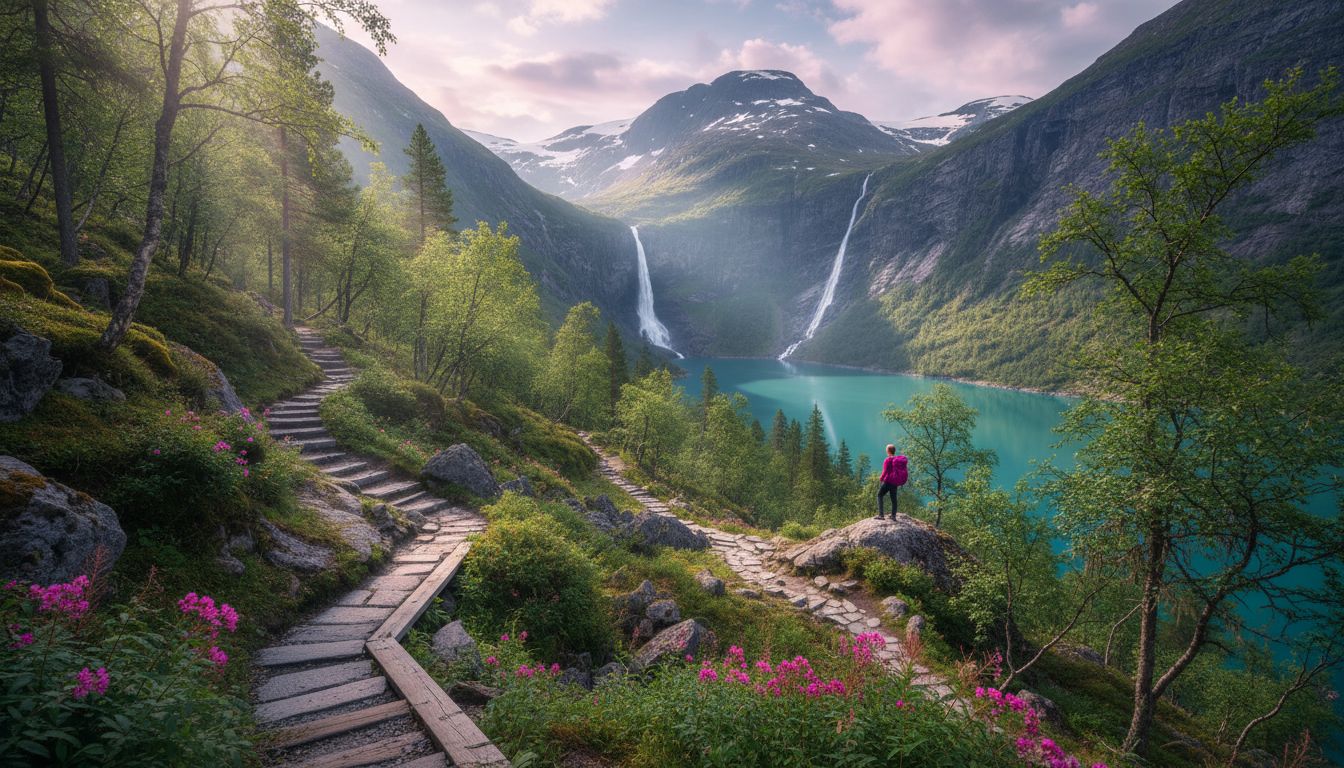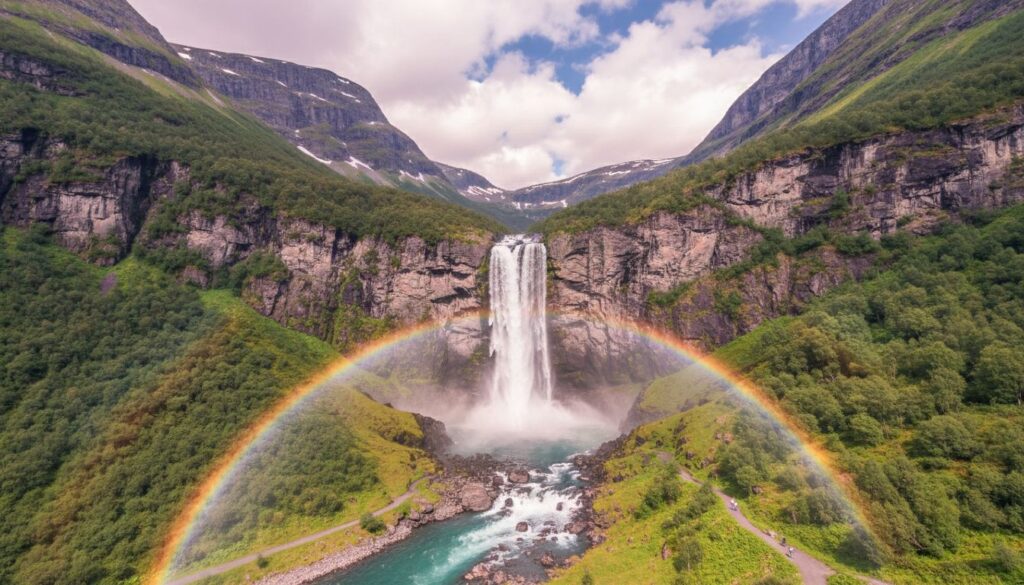
Norway's waterfalls are dramatic, accessible, and often set against fjords, high plateaus, and alpine scenery. Whether you want the thunder of a high-volume cascade, the photogenic spray of a walk-behind fall, or a remote hike to a plunging ribbon of water, Norway delivers. This guide covers the best waterfalls in Norway, practical access tips, suggested itineraries, and photography and safety advice so you can plan a memorable trip.
Top 10 best waterfalls in Norway

Below are ten waterfalls that combine iconic status, scenic beauty, and accessibility. Each entry includes region, approximate height where established, best visiting times, how to get there, difficulty rating, and what makes the waterfall special.
Vøringsfossen (Hardanger)
- Location: Eidfjord, Vestland county
- Approximate height: 182 m total drop
- Best time to visit: May to September for peak flow
- How to get there: Drive from Bergen or Oslo via E16 and Rv7 to Eidfjord; short walk from parking lot to viewpoint
- Difficulty: Easy (wheelchair-unfriendly viewpoint paths)
- Why it’s special: One of Norway’s most famous falls with a dramatic cliff drop into the Måbødalen valley. The viewpoint gives panoramic fjord-and-valley views.
- Tips: Arrive early or late afternoon to avoid tour-bus crowds. Combine with Hardangervidda routes and nearby glaciers.
Langfoss (Etne)
- Location: Åkrafjorden / Etne, Vestland county
- Approximate height: tall, multi-tiered cascade (spectacular roadside views)
- Best time to visit: Late spring to early autumn
- How to get there: Accessible from E134 with a short pull-off and viewing area at the fjord edge
- Difficulty: Very easy (roadside)
- Why it’s special: Photographers praise Langfoss for its long, elegant descent directly to the fjord; it often appears in lists of the world’s most beautiful waterfalls.
- Tips: The view from the fjord is dramatic—consider a short fjord cruise to photograph the fall from water level.
De syv søstrene / Seven Sisters (Geirangerfjord)
- Location: Geirangerfjord, Møre og Romsdal
- Approximate height: Several vertical streams descending the mountain roadside
- Best time to visit: May to September; fjord cruises run in high season
- How to get there: Best seen by Geirangerfjord cruise or from road viewpoints along Ørnevegen (Eagle Road)
- Difficulty: Easy (viewpoints and cruises)
- Why it’s special: A cluster of seven falls cascading side by side into Geirangerfjord; dramatic from the water and classic fjord scenery.
- Tips: Combine with a visit to the nearby Bridal Veil waterfall and Flydalsjuvet viewpoint.
Låtefossen (Odda)
- Location: Near Odda, Vestland county (on Rv13)
- Approximate height: Twinfall; substantial short drop with twin streams
- Best time to visit: Year-round, best flow in spring
- How to get there: Right beside Rv13 between Odda and Røldal; parking and photo points at the bridge
- Difficulty: Very easy (roadside)
- Why it’s special: Famous twin falls split by a rock, with a historic stone bridge that makes a dramatic foreground for photos.
- Tips: Busy in summer—visit early morning for quieter photos and softer light.
Steinsdalsfossen (Norheimsund)
- Location: Near Norheimsund, Vestland county
- Approximate height: Modest (short drop), but notable for a walk-behind pathway
- Best time to visit: May to September; family-friendly all summer
- How to get there: Short drive from Bergen; signed and well-parking
- Difficulty: Easy (short, flat path to and behind the fall)
- Why it’s special: You can walk behind the curtain of water on a safe path, which is fun for families and photographers.
- Tips: Prepare to get a bit wet on the path—waterproof jacket and lens cloth are useful.
Kjosfossen (Aurland / Flåm)
- Location: Along the Flåm Railway near Myrdal, Vestland county
- Approximate height: Short but powerful cascade
- Best time to visit: Spring through early autumn when the Flåm Railway runs frequently
- How to get there: The easiest way is via the Flåm Railway; the train stops at a viewing platform during scheduled shows
- Difficulty: Very easy (train stop)
- Why it’s special: A dramatic roadside show as the Flåm Railway halts for passengers to view and photograph the fall—often enhanced with short staged performances in high season.
- Tips: Expect crowds during train stops; bring a fast shutter speed if you want to freeze spray.
Månafossen (Gjesdal)
- Location: Gjesdal, Rogaland county
- Approximate height: ~90 m (impressive free fall)
- Best time to visit: Late spring to early autumn
- How to get there: Short but steep hike (roughly 1–1.5 hours round-trip) from a marked trailhead off county roads
- Difficulty: Moderate (steep trail and exposed sections)
- Why it’s special: A narrow, powerful free-falling waterfall with great vantage points from above and below—excellent for active visitors.
- Tips: Wear good hiking boots; the route can be slippery after rain.
Mardalsfossen (Eresfjord)
- Location: Mardalen valley, Møre og Romsdal
- Approximate height: Tall waterfall with seasonal regulation in some periods
- Best time to visit: Check local flow schedules; summer months for peak public release
- How to get there: Drive to Eresfjord; short walks from parking areas
- Difficulty: Easy to moderate depending on chosen viewpoint
- Why it’s special: Once among Norway’s tallest accessible waterfalls, it’s known for its long drop and dramatic presence in a quiet valley.
- Tips: Local water regulation for hydropower can affect flow—confirm local conditions before planning a trip.
Tvindefossen (Voss)
- Location: Voss, Vestland county
- Approximate height: Modest but broad cascade
- Best time to visit: Spring and early summer when runoff is high
- How to get there: Short walk from main road and designated parking, close to Voss town
- Difficulty: Easy (family-friendly)
- Why it’s special: A popular quick stop near Voss with picnic areas and accessible viewing paths.
- Tips: Combine with Voss town and other nearby waterfalls or hiking trails.
Mongefossen (Stranda)
- Location: Near Geiranger / Stranda, Møre og Romsdal
- Approximate height: Tall, historically high-volume
- Best time to visit: Late spring when snowmelt peaks
- How to get there: Visible from some passing roads and best experienced from short hikes or fjord cruises
- Difficulty: Moderate depending on viewpoint chosen
- Why it’s special: Once among the highest by single-drop volume, Mongefossen is an impressive sight particularly after snowmelt.
- Tips: Combine with a Geirangerfjord itinerary and watch for viewpoints that avoid crowds.
Quick difficulty and planning matrix
Use this at-a-glance table to choose falls that match your ability and schedule.
| Waterfall | Region | Difficulty | Family-friendly | Best season | Visit time estimate |
|---|---|---|---|---|---|
| Vøringsfossen | Hardanger | Easy | Yes (viewpoint) | May–Sep | 30–90 min |
| Langfoss | Åkrafjorden | Very easy | Yes | May–Sep | 15–60 min |
| Seven Sisters | Geirangerfjord | Very easy | Yes | May–Sep | 1–3 hrs (with cruise) |
| Låtefossen | Odda | Very easy | Yes | Year-round | 15–45 min |
| Steinsdalsfossen | Norheimsund | Very easy | Yes | May–Sep | 30–60 min |
| Kjosfossen | Flåm | Very easy | Yes | May–Oct | 30–90 min (train stop) |
| Månafossen | Gjesdal | Moderate | No (steep) | May–Sep | 1–2.5 hrs |
| Mardalsfossen | Mardalen | Easy–Moderate | Yes | Summer | 1–3 hrs |
| Tvindefossen | Voss | Very easy | Yes | Spring–Summer | 30–60 min |
| Mongefossen | Stranda | Moderate | No (some routes) | May–Jun | 1–3 hrs |
Suggested itineraries and regional clusters
-
Short 3-day West Norway loop (Bergen base): Day 1: Steinsdalsfossen and Norheimsund; Day 2: Hardanger highlights including Vøringsfossen; Day 3: Odda and Låtefossen with a drive along Rv13.
-
7-day Fjords & Waterfalls (Bergen to Ålesund): Bergen to Voss (Tvindefossen), Hardanger (Vøringsfossen), Folgefonna/Odda (Låtefossen), Åkrafjorden (Langfoss), Geirangerfjord (Seven Sisters, Mongefossen), finish in Ålesund.
-
Active-adventure cluster: Base in Gjesdal to tackle Månafossen, add a day for Mardalsfossen and a longer hike near Stranda.
Transport tips: rent a car for the most flexibility—many top waterfalls are roadside or a short hike from parking. Use ferry crossings and fjord cruises to add water-level perspectives. For Flåm and Kjosfossen, the Flåm Railway is both transport and an attraction.
For regional inspiration and broader travel planning see the Destinations guide on recommended Norwegian routes.
When to visit Norway's waterfalls
Seasonality matters. Snowmelt in late spring and early summer (May to June) produces the fullest flows and the most dramatic displays. High summer (July–August) brings reliably warm weather and easier hiking but more crowds. Late autumn can be moody and beautiful with lower flows and fewer people, while winter turns some falls into frozen sculptures—accessible only to experienced winter hikers or with guided tours.
Avoid peak daytime hours at top tourist spots to escape crowds. Early morning and late afternoon give better light for photography and often quieter views.
Practical planning: accessibility, safety, and rules
- Access: Many falls have marked parking and short trails; some require moderate hikes. Check local signage and park information.
- Safety: Rocks are slippery; stay on marked paths and behind barriers. Currents near pools are stronger than they look—do not swim unless locals indicate a safe spot.
- Weather: Conditions change quickly; bring layers, rain gear, and waterproof footwear.
- Drone use: Drones are allowed in most places with restrictions. Respect no-fly zones, privacy, and avoid disturbing wildlife. Check Norway’s Civil Aviation Authority regulations and local rules before flying.
- Fees: Some viewpoint car parks may charge small fees. Organized fjord cruises and train experiences (Flåm Railway) have admission or ticket costs—book in advance in high season.
If you want curated travel help, check out regional inspiration and suggested experiences at Inspiration – Scandinavia Holiday.
Photography tips for waterfall shots in Norway

- Equipment: A solid tripod, neutral density (ND) filter for long exposures, a lens cloth, and a weather-sealed camera or protective cover.
- Settings: For silky water, try shutter speeds from 1/4 to 2 seconds depending on flow and ND strength. For freezing motion, use 1/500s or faster. Start at ISO 100 and adjust aperture between f/8 and f/16 for depth of field.
- Composition: Use foreground elements like rocks, bridge arches, or fjord edges to add depth. For tall falls, vertical (portrait) framing often works best.
- Light: Golden hour provides warm tones; overcast skies can yield even, soft light that reduces contrast and helps capture details in spray.
- Vantage points: Water-level shots from a boat or fjord cruise create dramatic perspectives; elevated viewpoints show the fall in landscape context. Always prioritize safety and permitted access.
Drone tips: if permitted, shoot from above to show how a waterfall connects to fjord or valley systems. Keep flights short, avoid disturbing others, and obey local no-fly restrictions.
What to pack for waterfall days
- Sturdy waterproof hiking boots and quick-dry clothing
- Waterproof jacket and rain cover for your backpack and camera
- Microfiber cloth and zip-locks for electronics
- Snacks, water, sun protection, and a small first-aid kit
- Portable battery and extra SD cards
- Map or offline GPS: mobile signal can be spotty in valleys
Additional practical details
- Accommodation: Many waterfalls are near small towns with guesthouses or campgrounds; for fjord-adjacent falls, base yourself in popular towns like Bergen, Odda, or Ålesund depending on your route.
- Tours: Local fjord cruises, guided hikes, and the Flåm Railway often include waterfall viewpoints—book seats in high season.
- Accessibility: Several falls on this list have roadside viewpoints; others require moderate hikes. If wheelchair access is essential, verify local facilities before you go.
For questions about booking or to request local travel advice, reach out via the official contact page: Contact Scandinavia Holiday.
FAQ
Q: Which waterfall is the most famous in Norway?
A: Vøringsfossen is among the most iconic because of its dramatic drop and accessible viewpoints, but Langfoss and the Seven Sisters are equally renowned for scenic beauty.
Q: Can I see multiple major waterfalls in one trip?
A: Yes. West Norway’s fjord region clusters many top falls within reasonable driving distances—plan a 3 to 7 day route for a comfortable pace.
Q: Are waterfalls in Norway dangerous in winter?
A: Winter can freeze access routes and create hazardous conditions. Some falls partially freeze into beautiful ice formations, but only visit with proper winter gear and local guidance.
Q: Do I need a guide to visit these waterfalls?
A: Most are accessible without a guide, but guided tours add local knowledge, safety, and access to less-known viewpoints.
Final tips and next steps
Prioritize the type of waterfall experience you want—roadside viewpoints for easy photo stops, train or cruise experiences for water-level drama, or moderate hikes for solitude and active exploration. Plan around spring snowmelt for the fullest flows and early mornings to beat crowds. For broader trip ideas across Scandinavia and curated experiences, see the main Scandinavia Holiday homepage.
With this guide you have the essential practical information and inspiration to visit the best waterfalls in Norway. Pack carefully, respect local rules, and you’ll come away with unforgettable views and great photos.
Article created using Lovarank