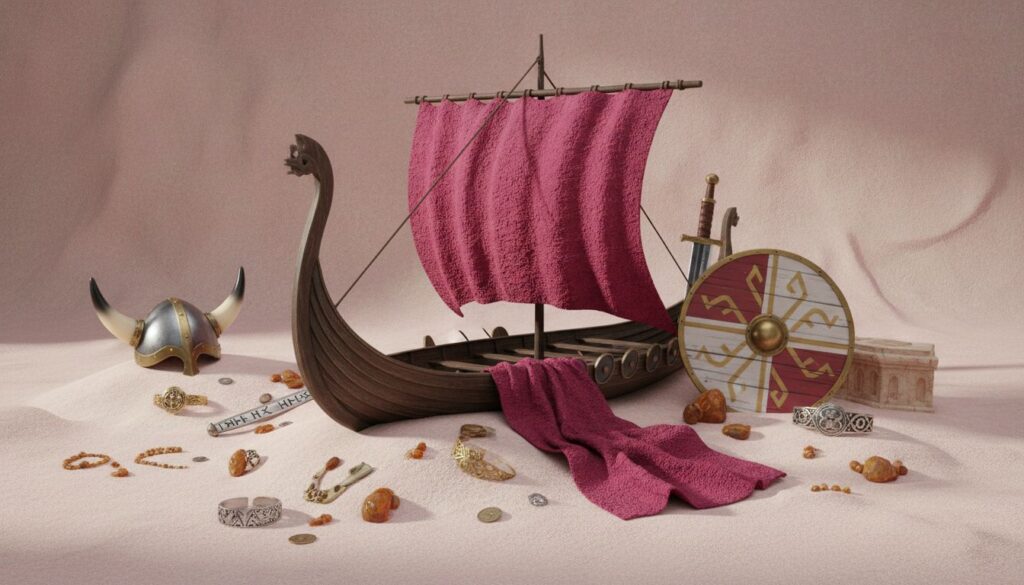
People are still captivated by Viking ships, runes and longhouses, and choosing the best viking museum can turn curiosity into a trip you remember for years. This guide picks the top museums across Scandinavia, the British Isles, Germany and Iceland, explains why they matter, and gives practical tips so you can plan a visit that fits your interests and budget.
How we chose the best viking museum

Selection focused on authenticity, quality of exhibits, visitor experience, interactivity and accessibility. I visited reports, museum pages, and recent traveler feedback to score each site across five categories: authenticity, exhibit quality, interactivity, value and accessibility. Each museum entry includes a short rating, standout highlights, and practical visitor tips so you can decide which is the best viking museum for you.
Quick at-a-glance picks
- Best overall experience: Roskilde Viking Ship Museum, Denmark
- Best for authentic Viking ships: Viking Ship Museum, Oslo region
- Best living-history village: Lofotr Viking Museum, Norway
- Best immersive archaeology and reconstruction: Jorvik Viking Centre, York, UK
- Best archaeological context: Hedeby Viking Museum (Haithabu), Germany
- Best for combining city sights: Dublinia, Dublin, Ireland
- Best off-the-beaten-track: Viking World, Reykjanes, Iceland
- Best roadside visit with mounds: Midgard Viking Centre, Borre, Norway
- Best for families and kids: Ribe Viking Center, Denmark
- Best value for ship-lover day trips: Roskilde or Roskilde’s sail experiences
The 10 best Viking museums (detailed list)
Below are the ten museums that consistently rank high for collections, visitor experience and authenticity. Use the "best for" tags to match your travel style.
Roskilde Viking Ship Museum — Roskilde, Denmark
Location: Roskilde Fjord, short train ride from Copenhagen.
Best for: Seeing original Viking ships and sailing replicas.
Ratings: Authenticity 5/5, Exhibits 4.5/5, Interactivity 4/5, Value 4/5, Accessibility 4/5. Overall 4.5/5.
- Key highlights:
- Four original Viking ships recovered from Roskilde Fjord.
- Hands-on boatbuilding workshops and seasonal sailing trips on replica ships.
- Modern exhibition spaces that explain excavation and conservation.
- Visitor tips:
- Recommended visit: 2 to 3 hours; add a full day for a sail experience.
- Best time: late spring to early autumn when sailing demos run.
- Tickets: buy online during high season for timed entries to the sail demos.
- Photography: allowed in most areas, but check temporary exhibit rules.
- Nearby: Roskilde Cathedral and the Viking Ship Museum’s shorefront cafes.
Viking Ship Museum (Oslo area) — Oslo, Norway
Location: Historically located on Bygdøy; check current display locations and reopening plans.
Best for: Iconic Viking ships and royal burial vessels.
Ratings: Authenticity 5/5, Exhibits 4/5, Interactivity 3.5/5, Value 4/5, Accessibility 3.5/5. Overall 4.2/5.
- Key highlights:
- Some of the best-preserved clinker-built longships recovered from royal graves.
- Rich context about burial practices and craftsmanship.
- Visitor tips:
- Check the museum site before you go as collections have been moved and there have been renovations.
- Recommended visit: 1.5 to 2 hours.
- Accessibility varies by building; contact the museum in advance for specific needs.
Lofotr Viking Museum — Borg, Lofoten, Norway
Location: Lofoten archipelago, northern Norway.
Best for: Immersive longhouse experience and living-history demonstrations.
Ratings: Authenticity 4.5/5, Exhibits 4/5, Interactivity 5/5, Value 4/5, Accessibility 3.5/5. Overall 4.4/5.
- Key highlights:
- Full-scale reconstruction of a chieftain’s longhouse with period meals, craft demonstrations and hands-on activities.
- Replica ships and dramatic coastal setting.
- Visitor tips:
- Recommended visit: 2 to 4 hours, or an evening Viking feast.
- Best time: summer for outdoor demonstrations; winter has fewer activities but atmospheric museum spaces.
- Family friendly with dress-up and practical workshops for kids.
Jorvik Viking Centre — York, England
Location: Central York, built over an excavation site.
Best for: Immersive reconstructions of Viking-age York and archaeology-driven storytelling.
Ratings: Authenticity 4/5, Exhibits 4.5/5, Interactivity 5/5, Value 4/5, Accessibility 4/5. Overall 4.4/5.
- Key highlights:
- Ride through a recreated Viking street with smells and soundscapes based on archaeological finds.
- Excavation displays and genuine artifacts recovered from the site.
- Visitor tips:
- Recommended visit: 1.5 to 2 hours.
- Excellent for families and people who want a sensory, story-driven experience.
- Combine with the rest of York’s medieval sights.
Hedeby Viking Museum (Museum Haithabu) — Schleswig, Germany
Location: Near Schleswig, Schleswig-Holstein.
Best for: Archaeological context and early medieval border town history.
Ratings: Authenticity 4.5/5, Exhibits 4.5/5, Interactivity 3.5/5, Value 4/5, Accessibility 4/5. Overall 4.3/5.
- Key highlights:
- Reconstructed settlement and ramparts where significant Viking-era finds were made.
- Excellent archaeological displays and reconstructions of daily life.
- Visitor tips:
- Recommended visit: 2 to 3 hours.
- Great pick if you want archaeology with broader historical context about trade and towns.
Ribe Viking Center — Ribe, Denmark
Location: Denmark’s oldest town, Ribe.
Best for: Interactive village reconstructions and family activities.
Ratings: Authenticity 4/5, Exhibits 4/5, Interactivity 5/5, Value 4/5, Accessibility 4/5. Overall 4.2/5.
- Key highlights:
- Living-history area with re-enactors, workshops and seasonal festivals.
- Walkable historic town center with Viking-themed trails.
- Visitor tips:
- Recommended visit: 2 to 3 hours; great half-day option.
- Check festival calendar for reenactments and markets.
Midgard Viking Centre — Borre, Norway
Location: Vestfold region, near Oslo by car or train and short bus ride.
Best for: Burial mounds, rune stones and large archaeological landscape.
Ratings: Authenticity 4/5, Exhibits 4/5, Interactivity 3.5/5, Value 4/5, Accessibility 4/5. Overall 4/5.
- Key highlights:
- The Borre mounds and a strong interpretive center that places finds in landscape context.
- Short trails and open-air displays.
- Visitor tips:
- Recommended visit: 1.5 to 2 hours; combine with a drive along the Oslofjord.
- Good for photography and scenic walks.
Dublinia and National Museum of Ireland (Viking Dublin) — Dublin, Ireland
Location: Within walking distance of Dublin’s medieval quarter.
Best for: Viking-era Dublin and combining Viking and medieval exhibits.
Ratings: Authenticity 4/5, Exhibits 4/5, Interactivity 4.5/5, Value 4/5, Accessibility 4/5. Overall 4.2/5.
- Key highlights:
- Interactive Viking and medieval history center with reconstructions, artefacts and archaeological finds.
- Close to the National Museum of Ireland’s medieval and Viking collections.
- Visitor tips:
- Recommended visit: 2 to 3 hours combined with nearby city museums.
- Great rainy day plan with lots of indoor activities.
Viking World (Vikingaheimar) — Reykjanes, Iceland
Location: Reykjanes Peninsula, near Keflavik International Airport.
Best for: Unique Íslendingur replica and accessible option for Iceland arrivals.
Ratings: Authenticity 4/5, Exhibits 3.5/5, Interactivity 3.5/5, Value 4/5, Accessibility 4/5. Overall 3.9/5.
- Key highlights:
- Home to the Íslendingur, a voyager replica built in the 1990s that sailed to North America.
- Compact museum with a focus on Icelandic Viking-age seafaring.
- Visitor tips:
- Recommended visit: 1 to 1.5 hours; perfect stop either right after landing or before you depart.
- Combine with geothermal attractions on the peninsula.
National Museum exhibits and smaller sites to watch — various locations
Notes: Many national museums such as the National Museum of Denmark or the Swedish History Museum include top Viking collections in major cities. These are often the best single-stop option for travelers based in capitals who want Viking artifacts without long travel.
- Visitor tips:
- Check national museum displays in Copenhagen, Stockholm and Oslo for rotating Viking exhibitions.
How to choose the best viking museum for your trip
- If you want original ships: prioritize Roskilde and Oslo-area collections.
- If you want living history and feasts: choose Lofotr or Ribe.
- If you travel with kids: Jorvik and Ribe are highly interactive.
- If you want archaeology and landscape context: Hedeby and Midgard deliver.
- If you only have a short stopover: Viking World near Keflavik is compact and convenient.
Practical planning advice

- Tickets and bookings: Book boat sails and Viking feasts in advance, especially in summer.
- Opening hours: Many museums have reduced winter hours. Confirm on official sites before travel.
- Language: Most museums offer English signage and audio guides. Guided tours may be seasonal.
- Accessibility: Major museums have wheelchair access but some reconstructions and outdoor sites are uneven. Contact museums ahead if mobility is a concern.
- Photography: Generally allowed in permanent galleries. Check for flash or tripod restrictions and rules in temporary exhibitions.
Internal resources: If you are planning a larger Scandinavian trip, see Scandinavia Holiday | Nordic Travel Guides & Local Experiences for broader travel planning and inspiration. For region-specific ideas and attractions to combine with museum visits, see DESTINATIONS – Scandinavia Holiday.
Suggested itineraries
3-day Viking-focused short trip (Copenhagen base):
- Day 1: Roskilde Viking Ship Museum, afternoon in Roskilde Cathedral.
- Day 2: National Museum of Denmark in Copenhagen, evening Viking-themed pub or guided evening walk.
- Day 3: Day trip to Ribe or nearby living-history site, or extend to Hedeby if driving.
7-day Scandinavian Viking itinerary:
- Day 1-2: Copenhagen and Roskilde (ship museum and cathedral).
- Day 3: Fly or ferry to Oslo, visit Viking exhibitions and Midgard region.
- Day 4-5: Drive or fly to Lofoten for Lofotr Viking Museum and longhouse experience.
- Day 6: Ferry to Denmark or drive to Hedeby on the way south for archaeological context.
- Day 7: End in Hamburg or Copenhagen depending on routing.
Use the INSPIRATION – Scandinavia Holiday page to find ideas for combining museums with scenic routes and seasonal events.
Budget and family breakdowns
- Solo traveler day visit to a major museum: expect 10 to 25 EUR/USD depending on site and region.
- Family day (2 adults and 2 kids): average 40 to 80 EUR/USD, more if you add sailing or special experiences.
- Feasts and living-history dinners: budget 40 to 100 EUR/USD per person depending on menu and setting.
Insider tip: Many museums offer combined or reduced tickets for students, seniors and families. Roskilde offers sail demos that sometimes have separate fees from general admission.
What to expect from exhibits and conservation
Museums balance display of fragile finds with public access. Conservation work is ongoing, and many museums now show conservation labs or explain preservation challenges. For ship displays, climate-controlled halls and careful lighting are the norm. If conservation stories interest you, ask for behind-the-scenes information or look for special exhibitions that detail restoration.
Seasonal strategies
- Summer: Best for outdoor reconstructions, boat sails and living-history events. Expect crowds and higher prices.
- Shoulder seasons: Late spring and early autumn often combine pleasant weather with fewer visitors.
- Winter: Great for quieter museum visits and lower costs, but outdoor experiences may be limited.
Final recommendations — which is the best viking museum for you
- Best for ship lovers: Roskilde or Oslo-area collections.
- Best immersive village: Lofotr or Ribe.
- Best quick stop: Viking World near Keflavik.
- Best archaeology: Hedeby and Midgard.
If you can only choose one, Roskilde Viking Ship Museum often offers the best combination of original ships, hands-on experiences and sailing demonstrations, earning it a top spot among candidates for the best viking museum. But your ideal choice depends on whether you prioritize tangible artifacts, immersive reenactments or easy logistics.
Before you go — a short checklist
- Buy timed tickets for sailing demos and feasts in advance.
- Confirm opening hours and any renovation notices.
- Pack layers; museum interiors may be warm but outdoor sites can be windy.
- Charge your camera and carry a small tripod if you want stable photos but check museum rules.
If you need help tailoring a Viking museum itinerary to your travel dates and interests, visit our destinations guides at DESTINATIONS – Scandinavia Holiday or reach out for custom planning advice through CONTACT – Scandinavia Holiday.
Enjoy stepping into the past. Whether you want to stand beside a royal burial ship, row a replica across a fjord or walk a recreated Viking street, these museums are the best places to feel how the Viking Age shaped northern Europe and the wider world.
Article created using Lovarank