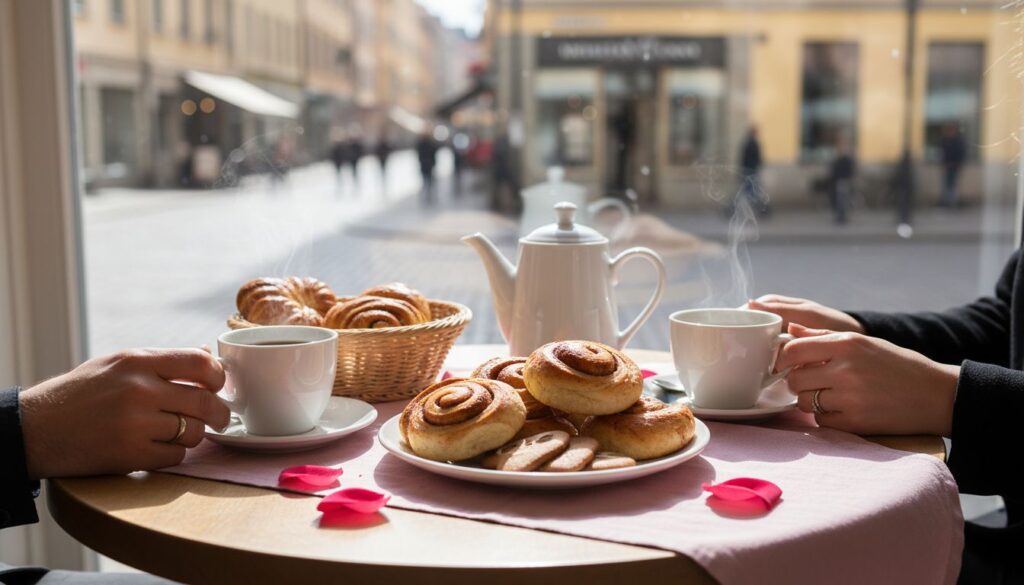
The smell of fresh coffee, warm cinnamon buns, and a pause in the middle of a busy day—fika culture is a simple ritual that has shaped daily life in Sweden for generations. More than a coffee break, fika is a practiced pause where conversation, equality, and presence matter as much as the cup in your hand. This explainer unpacks what fika is, why it matters, and how you can bring an authentic fika into your home, workplace, or travel plans.
What is fika? Meaning, origin, and pronunciation

Fika (pronounced fee-kah) is both a noun and a verb. It can mean the break itself, the coffee and snack you share, or the act of taking a break to connect. The term traces back to a playful reversal of the Swedish word kaff(e), though its cultural meaning developed over centuries as coffee became part of everyday life.
At its core, fika culture values pausing on purpose. Rather than a quick functional stop, fika is usually unhurried. It often includes freshly brewed coffee, a sweet or savory treat, and conversation. The ritual is flexible: you can fika alone with a book, with friends at a café, or with colleagues at work.
A short history
Coffee arrived in Sweden in the 17th century and at times faced bans and social debate. Over time, coffee consumption grew into a communal practice. By the 19th and 20th centuries fika had become institutionalized as a social break. Today it is so commonplace that many workplaces schedule mid-morning and mid-afternoon fika pauses.
Why fika matters: social, psychological, and cultural benefits
Fika culture is about social bonding and slow living. The practice supports mental breaks, reduces stress, and strengthens relationships. Research on regular breaks from focused work shows improved attention and mood, and fika’s social element amplifies those benefits. Shared, casual conversation during a break builds trust and collaboration, which is why Swedish workplaces often see fika as part of an inclusive office culture.
Fika also expresses egalitarian values. In many Swedish settings, everyone participates, regardless of rank. Sitting together with equal treats signals a flattening of hierarchy, even if only for 15 to 30 minutes.
Traditional elements: coffee, pastries, and the ideal fika spread
Sweden’s most classic fika items are straightforward and intentional. The coffee tends to be brewed strong and served black, though milk and alternatives are common. Pastries and small baked goods accompany the drink.
Common treats:
- Kanelbullar (cinnamon buns)
- Kardemummabullar (cardamom buns)
- Chokladbollar (no-bake chocolate balls)
- Prinsesstårta slices for special occasions
- Simple sandwiches or open-faced smorgas
If you want to try a basic kanelbulle recipe at home, here is a short version:
Ingredients:
- 3 1/4 cups (420 g) all-purpose flour
- 1/2 cup (100 g) sugar
- 2 1/4 tsp active dry yeast
- 1/2 tsp salt
- 1 cup (240 ml) milk, warmed
- 1/4 cup (60 g) butter, melted
- 1 egg
- Filling: 1/2 cup (110 g) softened butter, 1/2 cup (100 g) sugar, 2 tbsp ground cinnamon
Steps:
- Mix warm milk, yeast, and a pinch of sugar. Let bloom 5–10 minutes.
- Combine flour, sugar, and salt in a bowl. Add melted butter, egg, and milk mixture, and knead until smooth.
- Let dough rise until doubled, about 1 hour.
- Roll out, spread filling, cut into strips, twist and form buns, or roll and slice.
- Let rise again briefly, brush with egg wash, sprinkle pearl sugar, and bake at 375°F (190°C) for 10–12 minutes.
These buns are sweet but not cloying, and they pair perfectly with strong coffee.
How to host an authentic fika at home: step-by-step

Hosting a fika is approachable. The goal is to create a deliberate pause that feels welcoming and unhurried. Below is a practical how-to you can use the first time you try it.
- Decide the purpose and pace. Will this be a 15-minute work break, a relaxed afternoon with friends, or a weekend ritual? Set expectations accordingly.
- Choose the coffee. Brew a strong filter coffee, a French press, or pour-over. Swedish coffee tends to be rich and straightforward. Offer milk and plant-based milks on the side.
- Prepare simple treats. Cinnamon buns, chocolate balls, and fruit are great. A small selection is better than an oversized spread; fika is about focus more than abundance.
- Set the scene. Clear a small table, bring chairs together, and create a comfortable arrangement that encourages eye contact.
- Turn devices aside. A core unwritten rule in many fika traditions is to limit phone use. Encourage presence without being authoritarian.
- Invite conversation but allow quiet. Fika can be talkative or quiet and reflective. Let the group choose.
Shopping list for a basic home fika:
- Freshly ground coffee (medium-dark roast)
- Butter, flour, yeast, sugar, cinnamon for buns
- Milk and plant-based milk
- A plate for pastries and a small pot of jam or butter
- Sugar, sugar tongs, and small spoons
Vegan and dietary alternatives
It is easy to adapt fika to dietary needs. Offer vegan buns, almond or oat milk, and gluten-free baked options. Many Swedish bakeries now provide alternatives, and homemade versions work well too.
Brewing Swedish-style coffee
Swedes often use filter coffee or a simple coffee maker for everyday fika. Here are three common methods:
- Filter coffee: Use a slightly higher coffee-to-water ratio than usual. Freshly ground medium roast, poured through a paper filter, makes a clean cup.
- French press: Coarser grind and steep 3–4 minutes for a fuller body.
- Pour-over: Use a gooseneck kettle and a steady pour to control extraction. Aim for 1:15 to 1:16 coffee to water ratio for a balanced cup.
Serve the coffee warm, not scalding. A thermos can keep coffee at a steady temperature if you expect a longer fika.
Fika at work and in business: implementation, etiquette, and benefits

Many Swedish companies formally incorporate fika into the workday. Common times are mid-morning and mid-afternoon. The practice supports team cohesion, informal problem solving, and a mental reset.
How employers can introduce fika:
- Start small. Begin with one weekly fika and invite teams to rotate hosting duties.
- Provide a modest budget. A small allowance for coffee and pastries per week pays for itself through improved morale.
- Encourage inclusivity. Rotate invitations so everyone feels welcome.
- Avoid forced attendance. The point is voluntary connection.
Sample company fika policy (brief):
- Two 15-minute fika breaks per day encouraged, one in the morning and one in the afternoon.
- Company covers coffee and one shared treat per session.
- Meetings should not be scheduled across fika times to allow the pause to happen naturally.
Business benefits
Employers often report improved communication and employee satisfaction after adopting regular communal breaks. The egalitarian nature of fika can also break down walls between departments and management levels, encouraging informal mentorship and idea sharing.
Seasonal and regional variations
Fika adapts to weather, region, and occasion. In summer, Swedes often enjoy utomhusfika, outdoor coffee breaks with open-air views, picnics by lakes, or sidewalks in city squares. In winter, fika becomes a cozy indoor ritual, sometimes with extra layers of comfort like cardamom buns, warm berry preserves, or a richer cake.
Regional variations are subtle. Northern Sweden may emphasize heartier baked goods, while urban cafés in Stockholm or Gothenburg experiment with modern pastry twists and specialty coffee trends. Rural fika tends to lean into homemade treats and long conversations.
How fika compares to other global traditions
Fika shares common ground with other rituals but remains distinct:
- British afternoon tea: Both center on a beverage and small bites, but afternoon tea is often a longer, more formal affair with a tiered presentation, whereas fika prizes casual equality and brief daily practice.
- Italian aperitivo: Aperitivo is pre-dinner and often involves drinks and savory snacks to stimulate the appetite. Fika is not tied to mealtimes and focuses on social pause rather than appetite.
- Japanese tea ceremony: Both practices encourage presence and ritual, but the Japanese tea ceremony is highly formalized and ceremonial, while fika is deliberately informal and democratic.
What makes fika unique is its integration into everyday life and its role as a small, repeatable social reset rather than an occasional event.
Etiquette and unwritten rules
Observing a few simple conventions will help you fit in when you join a fika:
- Offer to share: If you bring pastries, make enough for the group.
- Keep it equal: Offer the same treats to everyone, regardless of status.
- Be present: Phones are often set aside; the emphasis is on conversation.
- Keep it short: Many fika breaks are 15 to 30 minutes unless planned as a longer social visit.
- Mind your topics: Light conversation is common; avoid aggressive debate or dominating the conversation.
Where to fika when you travel and resources
If you plan to experience fika in Sweden, look for neighborhood cafés that serve classic buns and filter coffee. Cities like Stockholm, Gothenburg, and Malmö have vibrant café scenes blending traditional and modern takes on fika. For city-specific recommendations, see this guide to popular Sweden destinations and local highlights.
For itineraries and inspiration on blending fika experiences into a trip, explore curated ideas and local tips at Scandinavia Holiday inspiration. To learn more about cultural background and practical travel planning, the About page has helpful context and company resources.
Where to buy fika items abroad
- Scandinavian specialty shops and online retailers sell cardamom, pearl sugar, and Swedish coffee blends.
- Many international bakeries now offer cinnamon and cardamom buns. Homemade is often the most authentic option and can be a fun experiment.
Modern evolution: digital detox, sustainability, and new trends
Younger Swedes adapt fika to contemporary life. Phone-free fika is a common digital detox practice. Cafés increasingly offer organic, locally sourced ingredients and vegan options. Specialty coffee culture has introduced single-origin beans and manual brewing methods into the fika repertoire, while many people still favor the familiar filter pot.
Fika also shifts in workplaces that embrace remote work. Virtual fika—brief video calls to check in and share conversation—preserves the social element even when teams are distributed.
Quick checklist: how to host a first-time fika
- Pick a time: 10 AM or 3 PM are traditional but any pause works.
- Brew coffee: Prepare a strong filter or French press.
- Bake or buy: 8–10 small buns or a mix of pastries for 4 people.
- Arrange seating: Move chairs into a circle or gather around a small table.
- Announce a phone policy gently: "Let's try a short phone-free break."
- Keep it short: Aim for 15–30 minutes, unless everyone agrees to linger.
Final thoughts: why adopt fika culture where you live or work
Fika culture is an accessible way to slow down, build relationships, and increase wellbeing day-to-day. It is flexible enough to fit a busy schedule and structured enough to become a comforting habit. Whether you want to boost workplace morale, deepen friendships, or add calm to a hectic routine, adopting a small, regular pause can be transformative.
If you are curious to experience fika in person, plan a café stop into your next Nordic itinerary, and use the travel resources above to find local favorites. And if you try hosting at home, remember that authenticity comes from intention rather than perfection. A well-made cup of coffee and an honest conversation is the heart of fika culture.
Article created using Lovarank