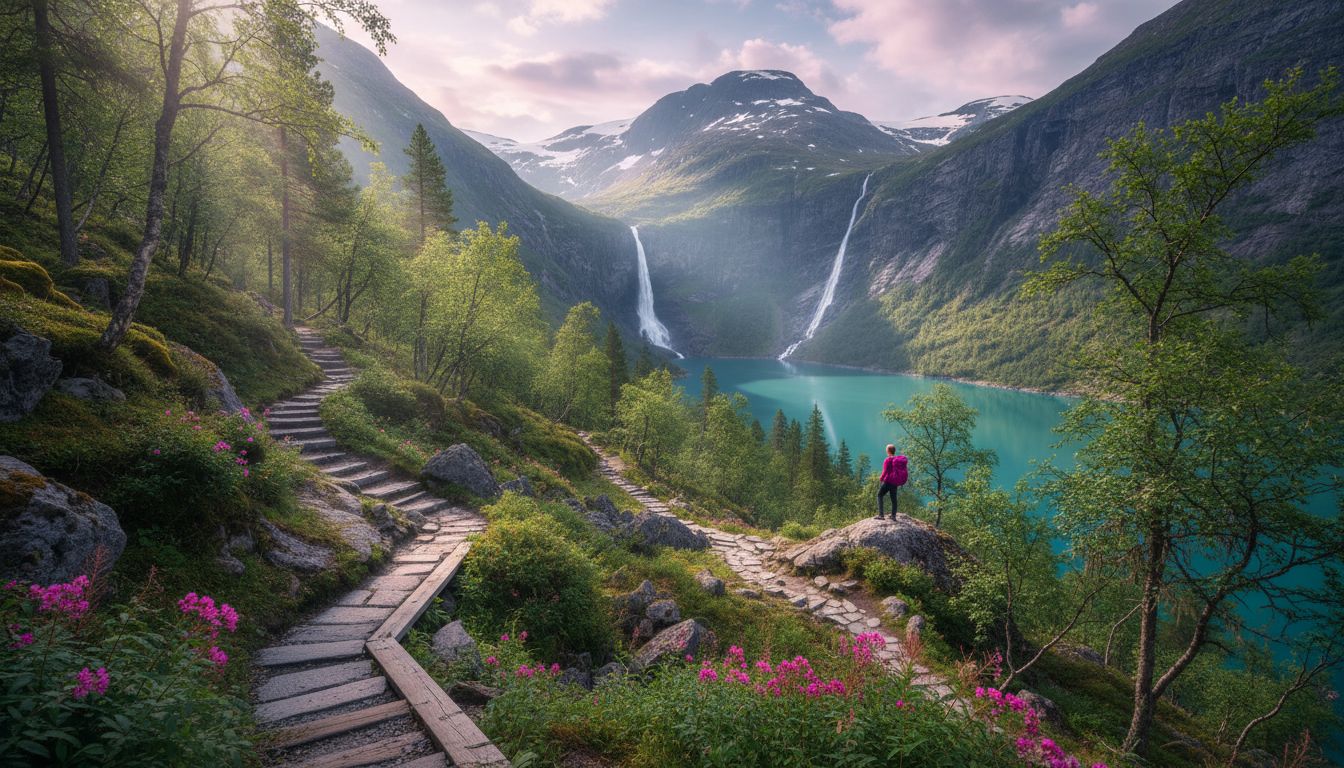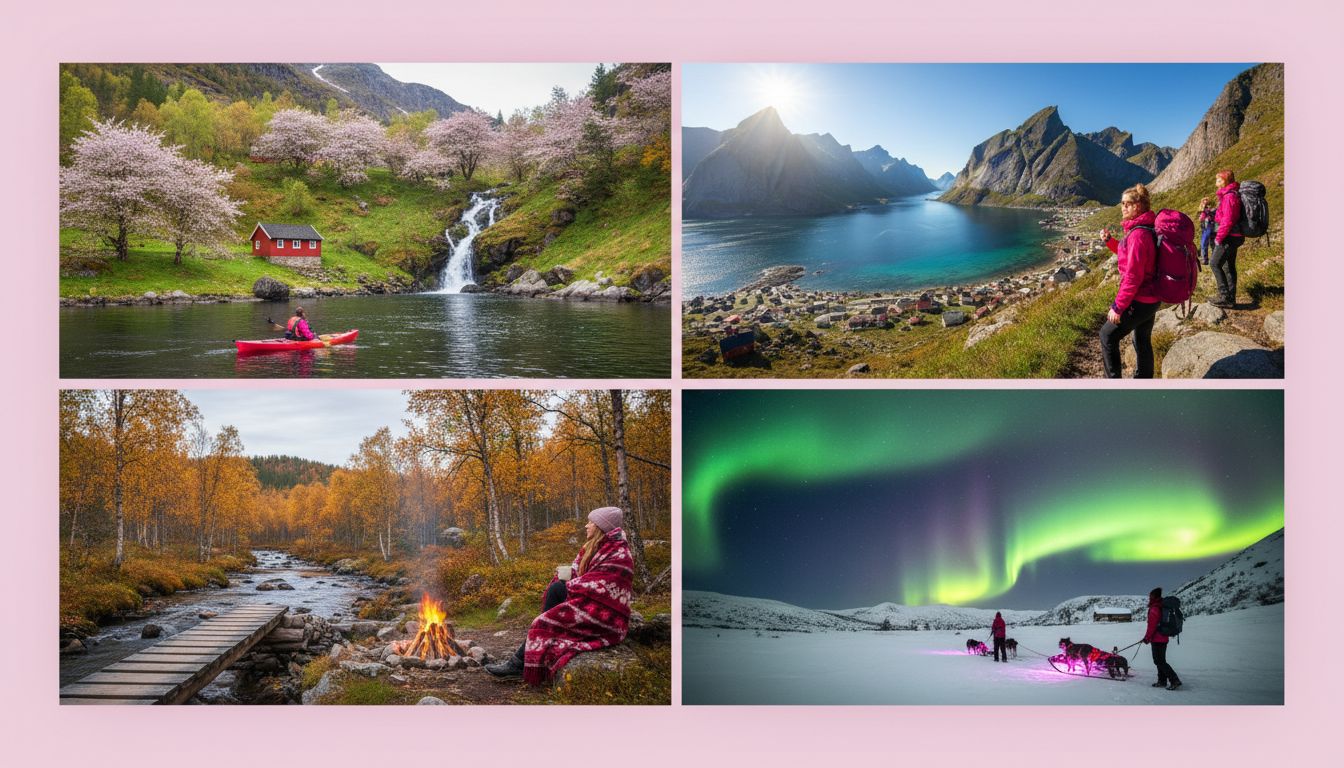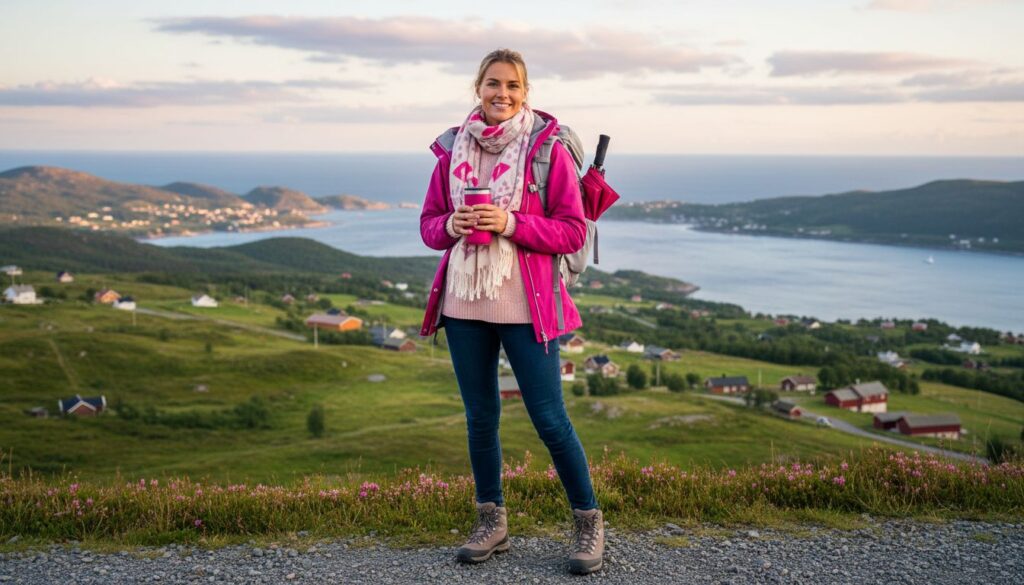
If you're trying to figure out what to wear in Scandinavia in July, the safest answer is simple: pack for a mild summer that can still turn cool, wet, or windy without much warning. If your trip includes cities, ferries, lakes, and a bit of hiking, a flexible layering system will serve you better than a suitcase full of single-use outfits. If you are still choosing where to go, the Scandinavia Holiday destinations guide is a useful place to compare city breaks, coastal routes, and northern escapes. (visitnorway.com)
In July, official travel guides describe Scandinavia as being in full summer mode, but they also keep repeating the same warning: the weather changes fast, the south is usually warmer than the north, and evening temperatures can drop enough to make a light jacket feel essential. Visit Finland says July is the warmest month there and can bring heat waves and thundershowers. Visit Norway says summer weather can surprise you, and Visit Sweden lists warm but still moderate July averages for Stockholm and Malmö. (visitfinland.com)
That is why this guide focuses on clothing that works across the region, not just in one capital. Copenhagen's July average is around 72°F / 57°F, Oslo's around 74°F / 56°F, Stockholm's July range is about 14°C to 23°C, and Helsinki's July average is about 21.4°C. In other words, you can absolutely wear summer clothes, but you should never rely on summer clothes alone. (timeanddate.com)
What July weather feels like in Scandinavia

Think of July as the month when Scandinavia is at its most comfortable, but also at its most changeable. Denmark says June through August are its hottest months and its seawater sits around 17°C to 22°C in summer, which is perfect for a beach stop if you bring swimwear. Norway's official summer page says the warmest and most stable weather is usually found in Eastern and Southern Norway, while the fjord coast is more exposed to rain and wind. In Sweden, July daylight in Stockholm stretches from early morning to late evening, and northern Sweden can experience the midnight sun from May through July. (visitdenmark.com)
Here is the practical version by region:
- Southern Norway and Oslo usually feel warm enough for T-shirts during the day, but a hoodie or light fleece still earns its place for evenings. Oslo's July climate averages around 74°F high and 56°F low. (timeanddate.com)
- Sweden can feel pleasantly warm in the afternoon, with July ranges of 14°C to 23°C in Stockholm and 12°C to 23°C in Malmö. (visitsweden.com)
- Denmark is very wearable in July, but a layer still helps once the sun drops. Copenhagen's July average is around 72°F high and 57°F low. (timeanddate.com)
- Finland is often at its best in July, with Helsinki averaging about 21.4°C and Rovaniemi about 17.4°C. That still leaves room for thundershowers and cooler nights, especially as you move north. (visitfinland.com)
- The far north can be bright around the clock. Northern Norway and Svalbard can have continuous or near-continuous daylight in summer, but the air can still feel cool and variable. (visitnorway.com)
How to build a July wardrobe

The easiest way to pack is to build around three layers: something breathable, something warm, and something waterproof. Official Norwegian travel tips say to bring clothes you can layer, plus at least one warm jumper and a waterproof coat or umbrella. Visit Finland's Lapland advice goes even further and recommends merino wool layers and even a down jacket for summer trips north, because nights can be chilly. For hiking days, Norwegian tour operators commonly ask for waterproof jacket and pants, wool base layers, warm socks, hat, gloves, sunscreen, and sometimes swimwear. (visitnorway.com)
Base layers
Pack breathable T-shirts, short-sleeve shirts, tank tops, and at least one long-sleeve top. Linen and cotton blends are great for city wandering, while merino or other lightweight wool works well if you expect colder mornings, boat crossings, or late evenings. If you sweat easily or plan active days, quick-dry fabrics are worth the extra suitcase space. (visitnorway.com)
Mid layers
A light sweater, fleece, cardigan, or overshirt is the piece you'll reach for most often. It should fit comfortably over a T-shirt and under a jacket. In July, this is the layer that saves you on ferry decks, in air-conditioned trains, and at outdoor restaurants after sunset.
Outer layer
Bring a packable waterproof jacket or shell that blocks wind as well as rain. In coastal Norway, on boat trips, or on damp days in Denmark, that one item often matters more than a thick coat. If you are trying to keep luggage light, choose a shell that can roll up into a day bag without taking over the whole trip. (visitnorway.com)
Bottoms
Pack one or two pairs of trousers or jeans and at least one lighter option such as shorts, a skirt, or a dress. If your trip is mostly city-based, you can lean on relaxed everyday clothes. If you're adding hikes or long walks, consider travel trousers that dry quickly.
Footwear
Choose one main pair of comfortable walking shoes with good grip. White sneakers, trail-style trainers, or lightweight boots all work well if you plan to walk a lot. Add sandals only if they are supportive enough for cobblestones and long days. Visit Norway's travel tips specifically recommend comfortable walking shoes, boots, or trainers. (visitnorway.com)
Accessories
Pack sunglasses, a cap or hat, a light scarf, socks that work with walking shoes, and a small umbrella if you like having backup. Sunscreen matters too, especially if you're spending time on water or under the long July daylight. (visitsweden.com)
Do not forget swimwear. Norway says the beaches are often at their warmest in July, and Denmark's official guide says summer seawater is generally 17°C to 22°C. Even if you are not planning a beach holiday, a swimsuit is useful for sauna visits, hotel pools, and spontaneous lake stops. (visitnorway.com)
Outfit ideas that work on real trips

Once you have the layers, the outfits almost build themselves. These combinations are easy to repeat, and they look normal in Scandinavian cities, where practical dressing is the default. If you want more route ideas while planning your wardrobe, the Nordic travel inspiration page is a good place to browse.
City sightseeing outfit
A simple city look should feel comfortable from breakfast to dinner.
- T-shirt or linen shirt
- Straight-leg trousers, jeans, or a midi skirt
- Sneakers or other walking shoes
- Lightweight cardigan in your day bag
- Crossbody bag or small daypack
This is the outfit that works best in Copenhagen, Stockholm, Oslo, and Helsinki when you are moving between museums, cafés, and waterfront promenades.
Ferry or coastal day outfit
If your itinerary includes islands, fjords, or a boat ride, dress for moving air.
- Breathable top
- Fleece or knit layer
- Shell jacket
- Travel trousers or leggings
- Water-resistant shoes
- Sunglasses and scarf
Even on a sunny day, a deck can feel much cooler than a city street. The goal is not to look bundled up, it is to stay comfortable when the wind picks up.
Hiking day outfit
For trails, parks, and mountains, think function first.
- Merino or moisture-wicking base layer
- Hiking trousers or leggings
- Waterproof shell
- Sturdy boots or trail shoes
- Spare socks
- Hat and sunscreen
This lines up with the packing lists used by Norwegian hiking operators, who repeatedly call out layers, waterproof gear, warm socks, and protection from changing weather. (visitnorway.com)
Evening-out outfit
July evenings can still feel relaxed and stylish, so you do not need to overthink dinner clothes.
- Nice top or lightweight shirt
- Jeans, trousers, or a simple dress
- Cardigan, blazer, or overshirt
- Clean sneakers, flats, or low sandals
If you are out late, you may also appreciate a scarf or light jacket. Long daylight is part of the July experience, especially in Sweden and northern Norway. (visitsweden.com)
Beach, sauna, or lake day outfit
If your July trip includes swimming, keep the look easy to change.
- Swimsuit
- Shorts or a cover-up
- Sandals or slip-on shoes
- Sunglasses
- Quick-dry towel if you have space
This is especially useful in Denmark and coastal Norway, where summer water and beach weather are part of the trip, even if the air is not exactly Mediterranean warm. (visitdenmark.com)
What to pack in your day bag
A well-packed day bag makes a Scandinavian July trip feel much easier.
- Lightweight waterproof jacket or compact umbrella
- Water bottle
- Sunglasses and sunscreen
- Spare socks
- Phone charger or power bank
- Foldable tote or small daypack
- Small snack for train or ferry days
- Swimsuit if you might stop at a beach, sauna, or lake
If you are moving around by train, ferry, or on foot, keeping one spare layer in your day bag pays off more often than packing another heavy sweater.
What not to wear in Scandinavia in July
July is not the time to pack like it is January. Unless you are heading to the far north or into high mountains, a heavy winter coat usually takes up more room than it deserves. If your route does include Lapland or Northern Norway, though, do not be surprised if merino layers and even a down jacket still make sense. Visit Finland's Lapland guidance says nights can be chilly in summer, and Visit Norway says summer evenings and nights can be cold, especially in the mountains. (visitfinland.com)
A few other things are worth leaving behind or rethinking:
- Shoes with no grip, because wet pavements, ferry ramps, and uneven paths are common enough to matter.
- Clothes that only look good in perfect weather.
- A wardrobe with no backup layer at all.
- Bulky fabrics that wrinkle badly if you are moving between cities.
The best July packing strategy is simple. Bring pieces you can wear in more than one setting, then let the weather decide how many layers you need.
Simple packing list for 5 to 7 days
If you want a capsule wardrobe that stays realistic, try this:
- 4 tops, including at least 1 long-sleeve option
- 2 bottoms, such as trousers, jeans, shorts, or a skirt
- 1 nicer outfit for dinner or going out
- 1 sweater, fleece, or cardigan
- 1 waterproof shell or light rain jacket
- 1 pair of comfortable walking shoes
- 1 optional pair of sandals or lighter shoes
- Underwear, sleepwear, and enough socks for the trip
- 1 swimsuit
- Sunglasses, sunscreen, and a hat
- A small scarf or neck layer
- A compact day bag
That list is flexible enough for a city break, but it still covers the days when the weather changes faster than your plans.
FAQs
Do I need a jacket in Scandinavia in July?
Yes, a light waterproof jacket or windbreaker is one of the smartest items you can bring. Norway's official travel tips say summer evenings and nights can be chilly, and Denmark's travel FAQ notes that summer is the hottest time but rain still happens. (visitnorway.com)
Can I wear shorts in Scandinavia in July?
Absolutely. Shorts, skirts, and dresses are fine on warm days, especially in Copenhagen, Stockholm, Oslo, and southern Finland. Just keep a layer with you because the temperature can drop quickly later in the day. (timeanddate.com)
What shoes should I wear in Scandinavia in July?
Choose comfortable walking shoes or trainers with grip. If you're planning hikes or boat trips, follow that with a more rugged pair or at least a shoe you don't mind getting wet. (visitnorway.com)
Is July rainy in Scandinavia?
It can be. Oslo and Copenhagen both have measurable July rainfall averages, and Visit Finland says July can include thundershowers even in the country's warmest month. (timeanddate.com)
Should I pack for cold weather too?
If your route includes Lapland, Northern Norway, or mountain areas, yes. Visit Finland recommends merino wool layers and even a down jacket for Lapland summer trips, and Visit Norway says even summer nights can be chilly, especially in the mountains. (visitfinland.com)
If you remember only one thing, make it this: July in Scandinavia is about flexibility, not bulk. Build your suitcase around a breathable base, a warm layer, and a waterproof shell, then add good shoes, sunglasses, and swimwear. That mix will handle city streets, ferry decks, late dinners, and the occasional shower without overpacking. For more trip ideas, start from the Scandinavia Holiday home page and build your route from there. (visitnorway.com)
Article created using Lovarank