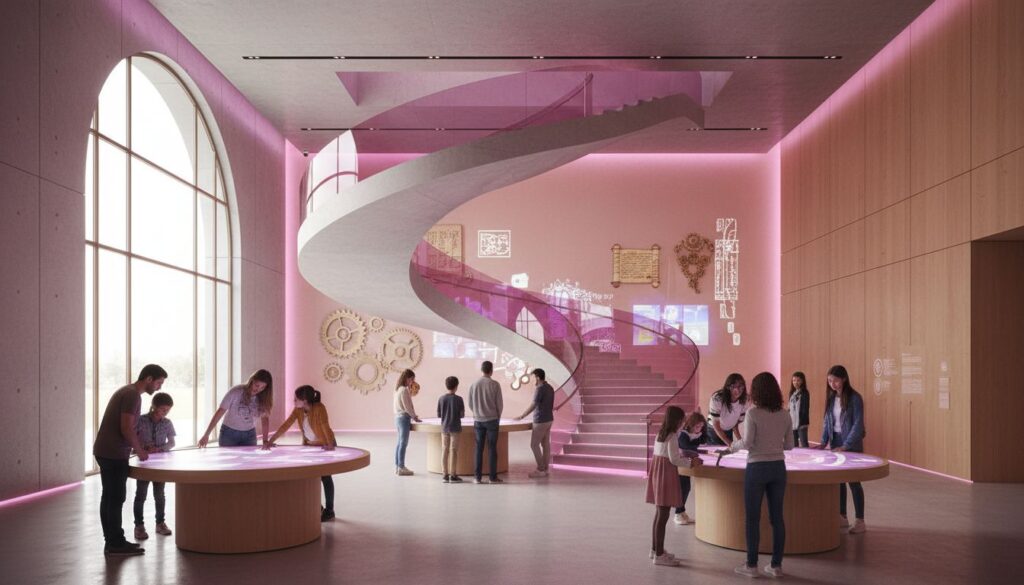
Museums are some of the easiest places to underestimate. You walk in expecting a quiet room of objects, then realize you are looking at research, conservation, education, and public storytelling all at once. If museums are part of a bigger trip, Scandinavia Holiday is a useful starting point for building a route around cities, neighborhoods, and day trips instead of a single stop. In the modern sense, a museum is a not-for-profit, permanent institution that researches, collects, conserves, interprets, and exhibits heritage for the public, and UNESCO describes museums as having an important role in social integration and cohesion. (icom.museum)
What museums are and why they matter

Museums matter because they do more than preserve beautiful or unusual things. They help communities keep evidence of the past, make it understandable, and share it in ways that support education, enjoyment, reflection, and knowledge. The newest ICOM definition also emphasizes accessibility, inclusion, diversity, sustainability, and ethical communication with communities. (icom.museum)
That broader mission is why museums feel different from galleries or simple display spaces. A strong museum does not just show objects, it explains why they matter, where they came from, and what questions they raise now. When museums are done well, they help a city or region tell a fuller story about itself. (icom.museum)
Main types of museums
There is no single museum experience. The American Alliance of Museums notes that the field ranges from art museums and history museums to science centers, children’s museums, nature centers, botanical gardens, historic sites, aquariums, and zoos. That variety is one reason museums can fit so many different travel styles and age groups. (aam-us.org)
- Art museums are best for painting, sculpture, photography, printmaking, design, and contemporary installation work.
- History museums focus on people, places, events, and everyday objects that help explain how a place changed over time.
- Science museums usually lean interactive, with exhibits that invite visitors to test ideas, ask questions, and learn by doing.
- Natural history museums are ideal if you want fossils, animals, geology, and the story of life on Earth.
- Children’s museums center hands-on learning and play, which makes them useful for families with different age ranges.
- Specialized museums might focus on one theme, one artist, one industry, one community, or one local story.
- Virtual museums move part of the experience online and let people explore collections without being in the building.
Digital and virtual access have also become a real part of the museum landscape. The Smithsonian offers digital learning resources and access to millions of artworks, artifacts, specimens, recordings, and teaching materials, which shows how museum experiences now extend well beyond the building itself. (si.edu)
If you are choosing a city based on culture, our destinations page is a practical way to compare where museum time will stretch the farthest.
A quick look at museum history
In broad terms, it is fair to say that museum practice has moved from private or specialist collections toward public institutions that emphasize access, education, and participation. That shift is reflected in the current ICOM definition and UNESCO's view of museums as socially important institutions. This is an inference based on those modern definitions and policy framing, not a full historical chronology. (icom.museum)
What happens behind the scenes

What visitors see is only a tiny fraction of what museums manage. Smithsonian says less than 1% of its collections are on display at any given time, while the British Museum describes collection care as involving storage, movement, display, scientific research, and access for researchers and the public. (si.edu)
That means the real museum work happens long before an object reaches a gallery. Conservators examine, document, treat, and protect objects so they can survive light, dust, handling, and time. At the Smithsonian, the conservation team describes its work as focused on preservation, safe exhibition, and long-term access, while the British Museum emphasizes research and collection care as part of making objects available to the public and scholars. (americanhistory.si.edu)
Several roles usually work together behind the scenes:
- Curators shape the story the museum wants to tell and help decide what belongs in an exhibition.
- Registrars handle documentation, provenance, loans, transportation, and storage records.
- Conservators monitor condition, carry out treatments, and design preventive care.
- Educators build school programs, tours, family activities, and digital resources.
- Provenance researchers trace object histories and help museums be more transparent about ownership and transfer. (ncp.si.edu)
This is why one museum can feel compact to a visitor but enormous as an institution. A single gallery might represent months of planning, while the collection it draws from may have taken decades or centuries to build. The most impressive museums make that invisible labor feel seamless.
How to plan a better museum visit
A good museum day rarely happens by accident. The easiest way to enjoy museums is to treat them like a trip within the trip.
- Check opening hours, special closures, and timed-entry rules before you go.
- Pick one must-see collection and one backup option, not a dozen priorities.
- Book popular exhibitions in advance if the museum uses timed tickets.
- Start early so you have energy for the galleries that matter most.
- Build in a coffee or lunch break so the visit stays enjoyable.
- If you are going with kids, look for hands-on galleries or activity trails first.
- Confirm photo rules, bag policies, and coat checks before you arrive.
- Wear comfortable shoes, especially if the museum is large or spread across several buildings.
Accessibility should be part of the plan, not an afterthought. The Smithsonian's accessibility office describes its work as creating meaningful access for visitors with disabilities, and Smithsonian education resources show how museums increasingly support people beyond the building through digital learning. (access.si.edu)
Simple museum etiquette
- Keep your voice low enough that other visitors can read and think.
- Do not touch objects unless the museum invites you to.
- Stay behind ropes, lines, and gallery markers.
- Follow photo, flash, and video rules.
- Give school groups, guided tours, and wheelchair users room to move.
- If a room feels crowded, move on and come back later.
If you are turning a museum stop into a longer trip, browse our inspiration section for ideas that pair exhibitions with walks, meals, and nearby neighborhoods.
Why museums are changing

Museums today are being asked to do more than preserve objects. They are expected to be accessible, inclusive, and community-oriented, and the current ICOM definition explicitly includes diversity, sustainability, and participation. UNESCO likewise frames museums as contributors to social integration and cohesion. (icom.museum)
That shift shows up in digital access too. Smithsonian education tools make museum collections available to educators, families, and learners around the world, which means the museum experience can start long before a visit and continue after it. (si.edu)
Another major change is the focus on provenance, return, and restitution. ICOM's ethics guidance says museums should respond to restitution, repatriation, and return requests, and Smithsonian and UNESCO examples show how provenance research and ethical returns are now part of mainstream museum practice. (icom.museum)
Even the practical side is changing. Conservation teams think carefully about light, dust, mounting, handling, and long-term storage because those factors can damage objects over time. In other words, the future of museums is not only about what gets displayed, it is also about how collections are cared for when nobody is in the gallery. (americanhistory.si.edu)
FAQs about museums
What is the best way to start if I have never visited a major museum?
Pick one collection or one floor and build from there. Trying to see everything usually leads to fatigue, while a focused visit gives you time to actually look.
How long should I spend in a museum?
It depends on the size of the museum and your interest level. For many visitors, 60 to 90 minutes is enough for a focused stop, while major institutions can easily fill half a day.
Are museums only for adults?
No. Many museums build exhibits for families, children, students, and casual visitors. A good museum gives different people different ways in.
What should I do if I only have one hour?
Choose the strongest gallery, skip the pressure to see every room, and leave time for one quiet pass through your favorite section. A short, good visit is better than a rushed one.
What is the difference between a museum and a gallery?
In simple terms, museums are usually centered on collecting, preserving, and interpreting objects for the public, while galleries often focus more narrowly on display and exhibition. Museums also tend to have stronger collection-care and research functions. (icom.museum)
Museums reward slow looking. Whether you care most about art, science, local history, or family-friendly hands-on exhibits, the best visit is the one that matches your pace and curiosity. When you leave a museum with one new question, one favorite object, or one clearer sense of place, the visit has done its job.
Article created using Lovarank