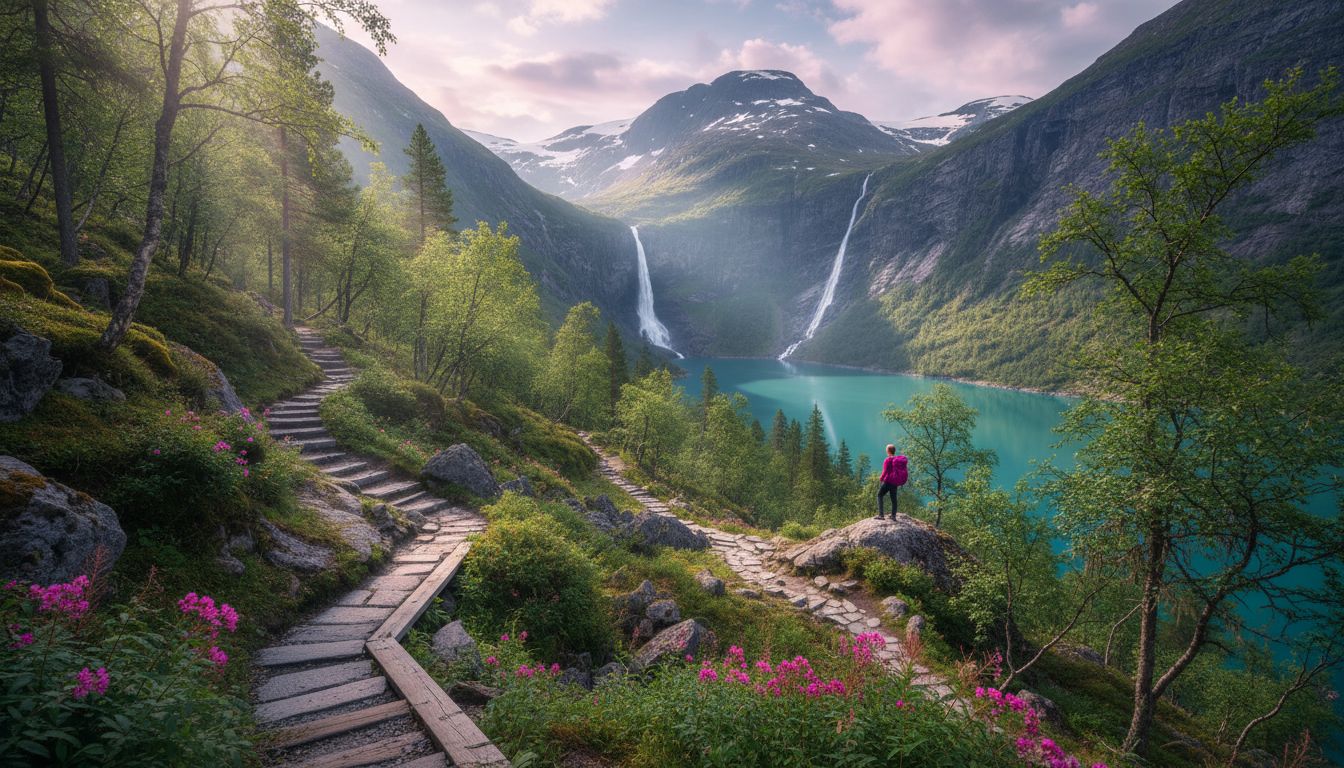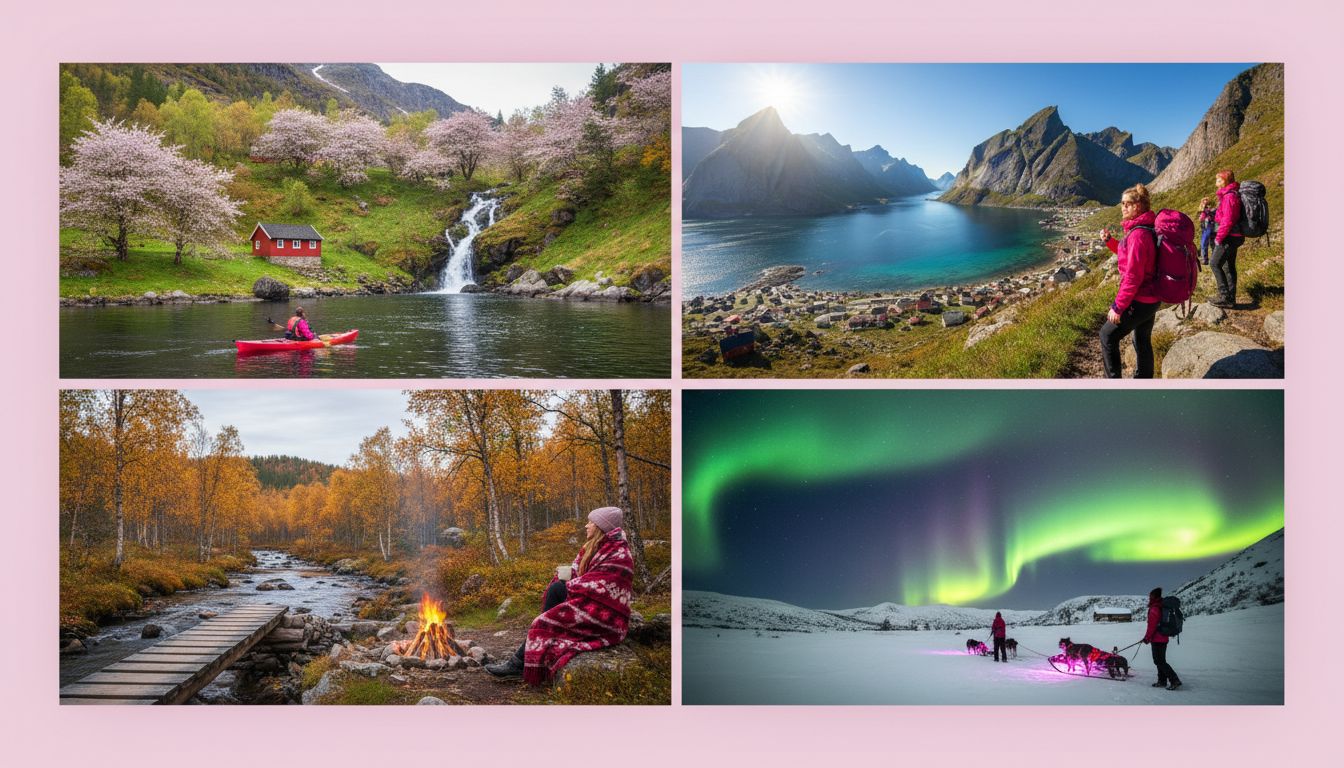
Hiking is usually a long, purposeful walk on trails, footpaths, or other natural routes, and it can be as relaxed as a one-hour loop or as ambitious as a multi-day trip. The word often covers more than one style of travel, but the common thread is simple, you are moving through outdoor terrain for recreation, exercise, or exploration. (britannica.com)
What makes hiking different from an ordinary walk is the setting and the mindset. You are often dealing with uneven ground, changing weather, trail markers, elevation gain, and the small decisions that come with being outside for longer than a quick stroll. That is also why hiking rewards preparation, not just enthusiasm. (home.nps.gov)
What hiking actually is

Hiking is a broad outdoor activity, but at its core it means walking for recreation on natural routes. It can happen on a short local trail, a scenic ridge, or a long-distance footpath, and the style you choose depends on your time, fitness, and confidence on the trail. (britannica.com)
The easiest way to think about hiking is as a scale. At one end you have a gentle walk in a park. At the other end you have demanding routes with big climbs, remote terrain, and weather that changes fast. In between, there is a huge range of hikes that suit beginners, families, fitness walkers, and experienced outdoor travelers. (home.nps.gov)
Types of hiking
Day hikes are the simplest format because you start and finish in the same day. They are a natural entry point for beginners, and they are ideal if you want to build fitness without worrying about camping logistics. Backpacking is different because you carry clothing, food, and camping gear in your pack, usually across one or more nights. Thru-hiking goes even farther, since it means backpacking a long trail from end to end over weeks or months. (americanhiking.org)
Day hikes
A day hike might be a gentle loop, a ridge walk, or a local nature trail. The best ones are easy to navigate, realistically short, and matched to the time you have. If you are new to hiking, this is the safest and most rewarding place to start. (americanhiking.org)
Backpacking and thru-hiking
Backpacking turns hiking into a self-contained trip, which means food, shelter, and sleep all matter. Thru-hiking is the long-game version, where the trail itself becomes the destination. AHS also notes that fastpacking is a lighter, faster cousin of backpacking, and that terminology can vary by region. (americanhiking.org)
Trekking
In many places, trekking is used for walking long distances on foot for pleasure. It overlaps with hiking, but the word often suggests a longer or more demanding journey than a casual day hike. (dictionary.cambridge.org)
Why hiking is worth it
Hiking is one of the few activities that can improve fitness and mental clarity at the same time. The National Park Service points to stronger muscles and bones, better balance, improved heart health, and emotional benefits such as stress relief and a better mood. Hiking with other people also adds a social payoff, which is part of why so many people come back to it again and again. (nps.gov)
For beginners, that is good news. You do not need a huge training plan to get something out of hiking, and you do not need a summit view to make the outing worthwhile. A local trail with steady movement, fresh air, and a little challenge is enough to count. (nps.gov)
A few of the biggest benefits people notice are:
- Better cardiovascular fitness from steady movement.
- Stronger legs, hips, and core from uneven terrain and climbing.
- Improved mood from time outdoors.
- Lower stress and a clearer head after time in nature.
- A stronger sense of connection when you hike with friends or family. (nps.gov)
How to choose the right hike
The best hike is the one that matches your current fitness, your experience, and the conditions on the day. The National Park Service recommends asking whether the hike fits your skill level, how much weight you can comfortably carry, whether you have practiced on hills, and whether there are closures, permits, or other alerts. American Hiking Society advises beginners to start with short, well-maintained, clearly marked trails with lower elevation gain. (nps.gov)
Use this quick checklist before you commit:
- Distance: Can you finish it comfortably at your normal pace?
- Elevation gain: Does the climb match your conditioning?
- Terrain: Is it smooth, rocky, muddy, exposed, or steep?
- Weather: Will heat, rain, wind, snow, or altitude change the experience?
- Rules: Does the trail require permits, reservations, or special gear? (home.nps.gov)
If you are planning a trip around a specific region, a destination guide can help you compare landscapes before you commit to a route.
Essential hiking gear

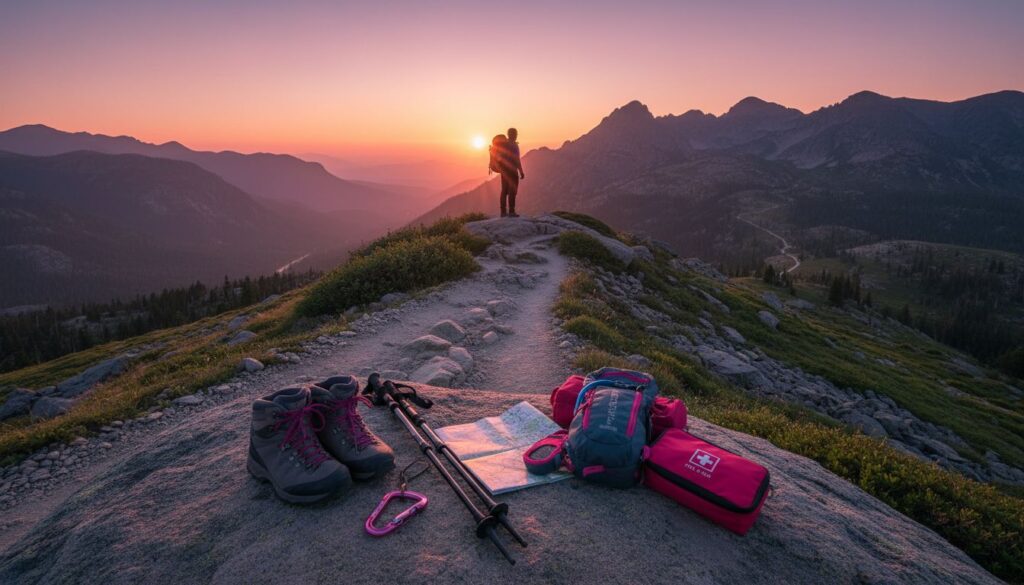
The safest way to think about hiking gear is to start with the essentials and add only what the trail demands. The National Park Service and American Hiking Society both recommend the familiar core list: navigation, sun protection, insulation, illumination, first aid, fire-starting items, repair tools, food, water, and emergency shelter. NPS also stresses that your gear should fit the route, the weather, and the length of the hike. (home.nps.gov)
A solid day-hike pack usually includes:
- Map or offline navigation
- Water and food
- First aid supplies
- Headlamp
- Extra layer or rain shell
- Sunscreen and hat
- Knife or multi-tool
- Whistle or other emergency signal
- Light emergency shelter if conditions are remote or changing (home.nps.gov)
Clothing matters just as much as the pack. Moisture-wicking fabrics dry faster and help you regulate temperature, while cotton holds moisture and can leave you cold or uncomfortable. For footwear, REI notes that hiking boots are generally heavier, stiffer, and warmer, while hiking shoes are lighter, more breathable, and quicker to dry. For rougher terrain or heavier loads, boots can be a smart choice; for lighter day hikes, hiking shoes may feel better. (americanhiking.org)
Fit matters more than brand. If your shoes pinch, rub, or feel awkward on the first mile, they will not magically improve on the fifth. REI points out that a good hiking shoe or boot should feel comfortable enough that you stop noticing it. (rei.com)
How to plan a hike step by step
Before you leave, build the hike on paper the same way you would build a road trip. Check the route length, elevation, trail conditions, closures, weather, and permit rules, then decide whether the hike still makes sense. The NPS Trip Planning Guide recommends learning the park environment, selecting an activity that matches your skill and experience, packing the essentials, sharing your trip plan with a trusted contact, and creating a backup plan. (home.nps.gov)
A simple planning flow looks like this:
- Pick the trail and read the description carefully.
- Check weather, parking, closures, and permits.
- Estimate how long the hike will take, then add buffer time.
- Pack the right layers and gear.
- Tell someone where you are going and when you expect to return. (home.nps.gov)
A good habit is to set a turnaround time before you start. If the hike is taking longer than expected, turning back early is usually the smarter choice. The trail will still be there tomorrow. (home.nps.gov)
If you want extra route ideas while you are in the planning phase, the inspiration page is a useful place to browse.
Hiking safety tips that actually help
Safety on the trail is mostly about small habits repeated consistently. NPS guidance says to carry the essentials, drink enough water, know your limits, and pay attention to weather and altitude. In hot conditions, hydration becomes even more important, and several park safety pages warn that cell service may be unreliable, so a phone should never be your only plan. (nps.gov)
A few habits make a big difference:
- Carry more water than you think you need, especially in heat or dry terrain. (nps.gov)
- Carry a headlamp even on short day hikes. (nps.gov)
- Hike with a companion when possible, and if you go alone, take extra precautions. (nps.gov)
- Stay on marked trails and watch for weather changes, loose footing, and trail erosion. (nps.gov)
- Share your route and return time with someone who is not hiking with you. (nps.gov)
If you get lost, stop, think, and stay calm. Forest Service guidance emphasizes advance planning, a map you know how to use, enough water and food, and telling someone your route before you leave. If it is dark, you are injured, or you are exhausted, staying put is often the safest move. (fs.usda.gov)
Trail etiquette and Leave No Trace
Good trail manners make hiking better for everyone. National Park Service etiquette guidance says to follow the written and unwritten rules of the trail, stay on the trail, and respect right-of-way rules. Hikers moving uphill generally have the right of way, and hikers should yield to horses and other pack stock. (nps.gov)
Leave No Trace gives you a simple way to think about impact. Its seven principles focus on planning ahead, traveling on durable surfaces, disposing of waste properly, leaving what you find, minimizing campfire impacts, respecting wildlife, and being considerate of others. In practical terms, that means packing out trash, avoiding shortcuts, not disturbing plants or artifacts, and keeping pets under control. (lnt.org)
A few trail habits worth keeping:
- Walk single file in muddy or narrow sections.
- Step aside only when needed and avoid widening the trail.
- Keep noise down so others can hear the sounds of the outdoors.
- Leave rocks, flowers, and trail features where they are.
- Clean up after pets and check local rules before bringing dogs. (lnt.org)
Popular hiking destinations and trail ideas

The best hiking destinations are usually the ones that make planning easy. National parks, state parks, and well-maintained trail systems are good starting points because they often publish trail conditions, hazards, and route notes before you go. That kind of information helps you choose a trail that fits your time, your energy, and the weather. (nps.gov)
If you are thinking about a hiking trip in Scandinavia, start with the Scandinavia Holiday homepage and then narrow your ideas with the destinations page. If you are still gathering ideas for a bigger trip, the inspiration page can help you decide whether you want fjords, forests, lakes, or high-country views. These resources are especially useful when your trip is about more than one trail and you want the whole journey to feel well planned.
Hiking vs backpacking vs trekking
People use these words differently, but the distinctions are useful. Hiking usually refers to walking trails for recreation, often as a day outing. Backpacking adds overnight gear and camping equipment. Trekking generally means walking long distances on foot for pleasure, and in common travel language it often suggests a longer or more demanding journey than a casual hike. (britannica.com)
If you are not sure which label fits your trip, focus less on the word and more on the demands of the route. Ask yourself whether you need camping gear, how remote the trail is, and how much time you have. That will tell you whether you are planning a hike, a backpacking trip, or a trek. (home.nps.gov)
FAQ
What is hiking?
Hiking is walking for recreation on trails or other natural routes, usually with some combination of scenery, exercise, and route finding. It can be short and easy or long and demanding. (britannica.com)
Is hiking good exercise?
Yes. NPS says hiking can improve balance, heart health, muscle and bone strength, and mental well-being. It is one of the easiest ways to turn an outdoor outing into a full-body workout. (nps.gov)
What should I bring on a hike?
Start with the Ten Essentials, then add water, food, clothing, and any route-specific gear you need. The exact list should match the weather, the terrain, and how long you will be out. (home.nps.gov)
How do I choose a beginner-friendly trail?
Look for a trail that is short, clearly marked, well maintained, and not too steep. Check permits, closures, and weather before you go. (americanhiking.org)
What is the difference between hiking and backpacking?
Backpacking is hiking with camping equipment, clothing, and food in your pack, usually over one or more nights. A day hike does not require camping gear. (britannica.com)
Is hiking safe?
Hiking is generally safe when you plan ahead, stay on trail, carry the essentials, and respect changing conditions. It becomes riskier when people underestimate weather, distance, altitude, or water needs. (home.nps.gov)
Hiking is at its best when it feels simple, steady, and well matched to your day. Choose a trail that fits your ability, pack for the conditions, and give yourself enough time to enjoy the walk instead of rushing it. Once those basics are in place, hiking becomes less about conquering a route and more about building a habit you will want to repeat. (americanhiking.org)
Article created using Lovarank