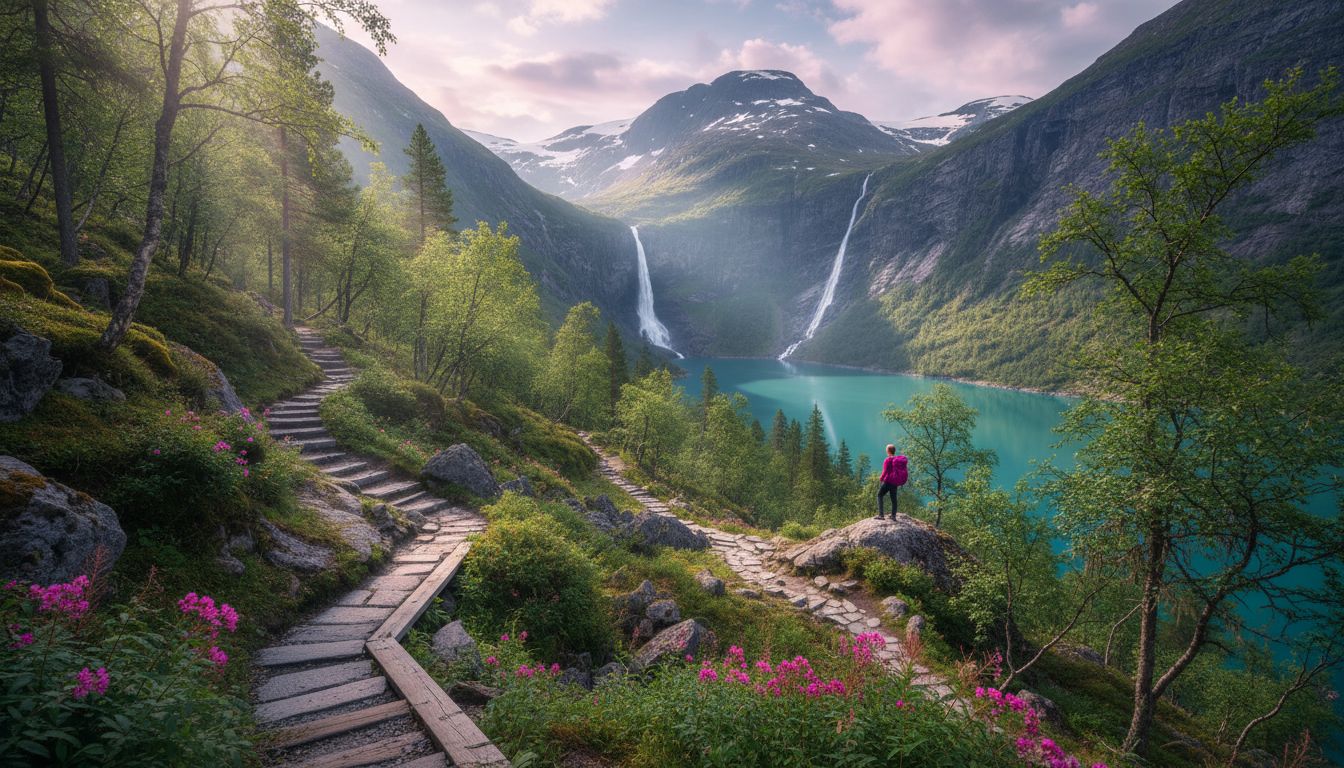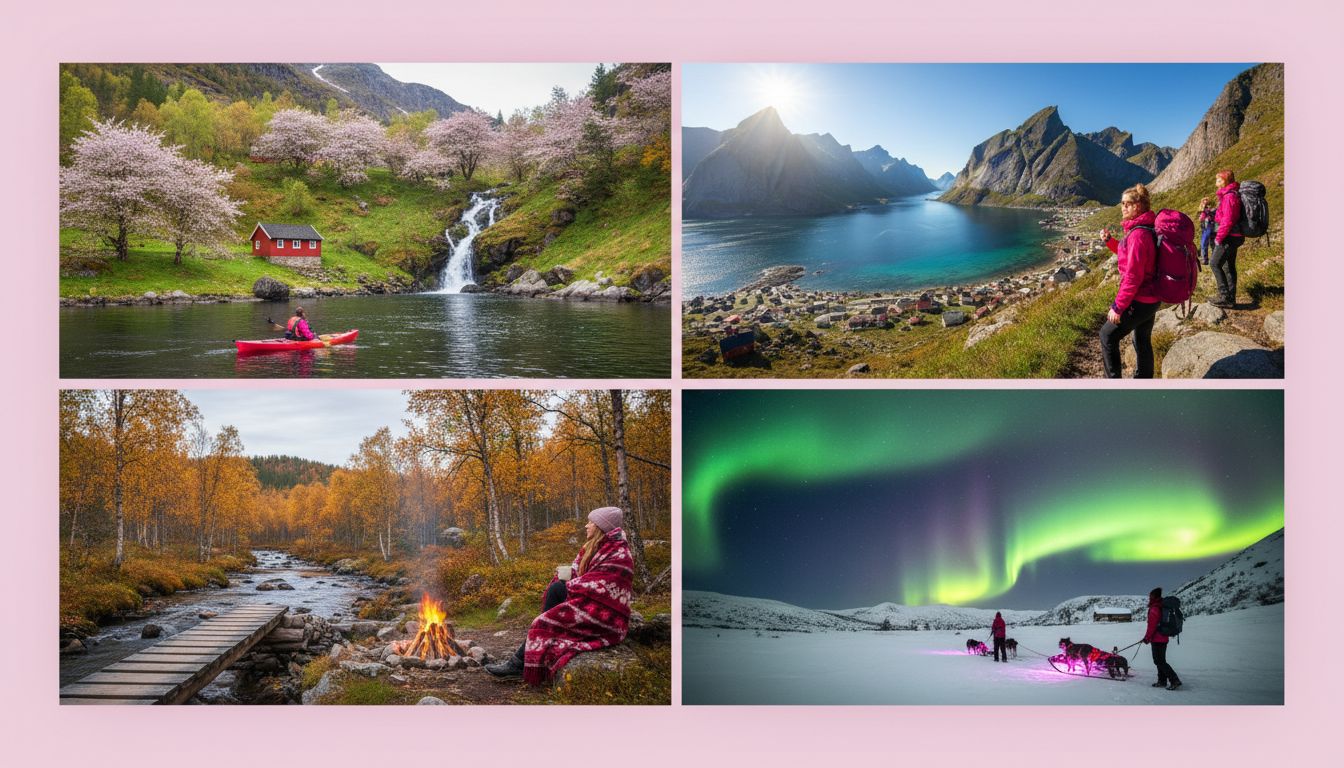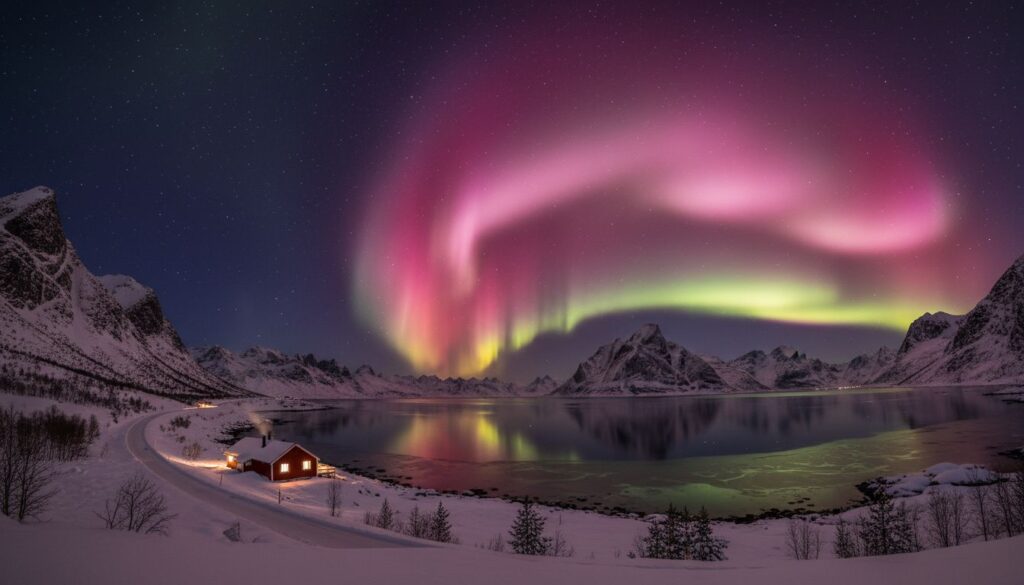
Norway gives you one of the most rewarding ways to chase the aurora. The country sits in the northern lights zone, the winter nights are long, and you can choose between easy city bases and quieter Arctic escapes. If you want the shortest answer, the best place to see the northern lights in Norway is Tromsø. It is the best all-round choice for most travelers because it combines strong aurora odds, easy access, and a wide range of guided trips. If you want fewer crowds or a more dramatic backdrop, Alta, Lofoten, Senja, and Lyngenfjord are all excellent alternatives.
If you are still shaping the rest of the trip, our Scandinavia travel inspiration page is a useful place to start.
At a glance: the best places to see the northern lights in Norway
| Destination | Best for | Why it stands out | Main drawback |
|---|---|---|---|
| Tromsø | First-timers and easy planning | Strong aurora reputation, lots of tours, good access | Popular, with some city light |
| Alta | A quieter Arctic base | Comfortable winter stays, strong northern lights culture | Less convenient than Tromsø |
| Lofoten | Scenery and photography | Beaches, peaks, long viewing season | Weather can change fast |
| Senja | Cozy lodge stays | Quiet atmosphere, sauna and cabin-style viewing | Fewer services and less choice |
| Lyngenfjord | Mountain and fjord backdrops | Dark skies and dramatic alpine scenery | More remote |
| Bodø | An easier northern stop | Practical access and good add-on option | Not as strong a northern lights base as Tromsø or Alta |
| North Cape | Remote bucket-list travel | Huge Arctic atmosphere and iconic setting | Long, weather-sensitive journey |
1. Tromsø, the best overall choice

Tromsø is the best place to see the northern lights in Norway for most travelers because it is the rare destination that does almost everything well. It sits in the middle of the aurora oval, so you can see the lights even when activity is not especially strong. It also has the kind of winter infrastructure that makes an aurora trip easier, with hotels, restaurants, easy airport access, and a huge choice of guides.
The big advantage is flexibility. On a clear night, you may catch the aurora from the city itself, but most visitors get better results by moving away from streetlights and heading into darker areas around the region. Guided tours are especially useful here because the weather can shift quickly, and experienced guides know how to chase clearer skies.
Tromsø is best for:
- First-time aurora travelers
- Couples who want comfort and convenience
- Families who want a simple winter base
- Travelers who want to combine the lights with dog sledding, fjord trips, and Sami experiences
What to keep in mind:
- It is a popular destination, so book early in peak winter.
- Cloud cover matters as much as aurora activity.
- Staying at least three nights gives you a much better chance than a one-night stop.
If you want one place that balances practicality and strong odds, Tromsø is the safe answer.
2. Alta, best for a quieter Arctic base
Alta is a strong choice if you want a more peaceful trip without giving up good northern lights potential. It has long been linked with aurora travel, and the city has a calm, spacious feel that many travelers appreciate after a busy few days on the road. You will find dedicated winter lodges, guided safaris, and landmarks such as the Northern Lights Cathedral, which gives the whole destination a strong aurora identity.
Alta works especially well for travelers who want the northern lights to feel like part of a wider Arctic stay rather than the only thing on the itinerary. There is plenty to do during the day, from winter activities to cultural stops, so you do not end up spending your entire trip staring at the sky.
Alta is best for:
- Travelers who want fewer crowds than Tromsø
- Couples and small groups who like a slower pace
- Guests who enjoy staying in aurora-focused lodges
- People who want a more local-feeling Arctic trip
What to keep in mind:
- It is less convenient than Tromsø for many international arrivals.
- You may need to plan transfers or a rental car more carefully.
- It is still weather dependent, so more nights are always better.
Alta is one of the smartest choices if you want comfort, calm, and a serious shot at seeing the lights.
3. Lofoten, best for scenery

Lofoten is the destination that turns an aurora trip into a full visual experience. Even without the lights, the islands are dramatic, with steep mountains, fishing villages, white beaches, and open sea horizons. Add the aurora, and the whole place feels cinematic.
Lofoten is also a great pick because the viewing season is long. The northern lights can appear here from late August into mid-April, which gives you a wider window than many travelers expect. The northern beaches and open coastal stretches are especially attractive because they give you a broad view of the sky without much light pollution.
This is the place for travelers who want to photograph the landscape as much as the aurora itself. A tripod, warm layers, and a flexible schedule help a lot here, because the weather can shift quickly and you may need to move between spots.
Lofoten is best for:
- Photographers
- Scenic road trips
- Travelers who want dramatic landscapes even if the aurora stays shy
- People who do not mind changing plans based on the forecast
What to keep in mind:
- Weather can be rough and transport can be disrupted.
- You should plan at least a few nights, not just one.
- It is beautiful, but that popularity can make peak dates busy.
If you want your northern lights trip to feel unforgettable even before the sky starts moving, Lofoten is hard to beat.
4. Senja, best for a quiet lodge stay
Senja is a great option if you want a softer, quieter Arctic experience. It does not always get the same attention as Tromsø or Lofoten, but that is part of the appeal. The island has a strong mix of sea, mountains, and peaceful accommodation, which makes it easy to settle in and wait for a clear night without feeling rushed.
This is one of the best places in Norway if you like the idea of watching the aurora from a cabin terrace, a sauna, or a hot tub. That makes it especially attractive for couples, families, and travelers who want a slower trip with a more private feel.
Senja is best for:
- Romantic winter escapes
- Slow travel and cozy stays
- Travelers who want fewer crowds
- Guests who like the idea of a lodge-first trip
What to keep in mind:
- You will usually have fewer services and fewer big-city conveniences.
- A car or arranged transfer can make life much easier.
- The trip feels best when you leave room for bad-weather nights.
Senja is one of those places that rewards travelers who want atmosphere as much as aurora.
5. Lyngenfjord, best for mountain and fjord backdrops
Lyngenfjord is ideal if you want the northern lights framed by sharp peaks and wide water. The Lyngen Alps create one of the most striking backdrops in northern Norway, and the area is popular with travelers who want a more nature-heavy experience. Winter stays here often lean toward lodge living, skiing, snowmobiling, and dark-sky viewing from quieter places outside town.
If Tromsø is the easiest aurora base, Lyngenfjord is one of the most photogenic. The scenery can feel more remote and more dramatic, and that is exactly what many visitors are looking for. It is a strong choice if you want the lights to feel tied to the landscape rather than the city.
Lyngenfjord is best for:
- Travelers who love mountain scenery
- Skiers and snowmobile fans
- Guests who want a secluded lodge or cabin stay
- Photographers looking for reflective water and alpine peaks
What to keep in mind:
- It is more remote than Tromsø.
- Road and weather planning matter more here.
- It works best for travelers who do not mind a slower pace.
Lyngenfjord is a great pick when the setting matters as much as the sky.
6. Bodø, best for a simpler northern lights stop
Bodø is not the most famous aurora base in Norway, but it is a very practical one. It sits just above the Arctic Circle, which makes it a convenient northern stop if you want a trip that is easier to manage than a deeper Arctic expedition. It can also work well if you are already traveling through Nordland or want to pair northern lights hunting with other parts of northern Norway.
The experience is a little more low-key than in Tromsø or Alta, but that can be a plus if you want a shorter, simpler trip. A quick drive out of town, a boat trip, or a view from a darker spot away from the center can improve your odds.
Bodø is best for:
- Shorter trips
- Travelers who want easier logistics
- Visitors combining several northern Norway stops
- People who prefer a lower-pressure aurora plan
What to keep in mind:
- It is a good option, but not the strongest aurora base on this list.
- A clear night still matters more than anything else.
- One night is never enough to rely on.
Bodø is the practical choice when you want a northern lights chance without going fully remote.
7. North Cape, best for the bucket-list feeling
North Cape is the most dramatic name on the list, and it delivers on atmosphere. This is the kind of place people choose when they want a true Arctic feeling, a remote horizon, and a trip that feels bigger than the aurora alone. The scenery is wild, the setting is iconic, and the whole experience has a strong sense of edge-of-the-world adventure.
That said, North Cape is better as part of a broader winter journey than as your only aurora plan. The travel is longer, the weather can be demanding, and you should expect more variation than you would in a place like Tromsø. If you go, go for the experience as much as the lights.
North Cape is best for:
- Adventure travelers
- Road trippers
- People who want a remote Arctic setting
- Visitors who care about the story of the place as much as the forecast
What to keep in mind:
- It is not the easiest destination for a first aurora trip.
- Winter conditions can make timing tricky.
- Flexibility matters more here than almost anywhere else.
North Cape is unforgettable, but it is a place to choose with your heart and your weather app.
How to plan your Norway northern lights trip

The best place to see the northern lights in Norway still depends on how you like to travel. If you want the simplest answer, choose Tromsø. If you want the most scenic trip, choose Lofoten. If you want a quieter and more comfortable stay, choose Alta or Senja.
A few planning rules make a big difference:
- Best months: September through March is the safest window, with early April sometimes still possible in the far north.
- Best time of night: The aurora often shows up late in the evening and around midnight, so do not expect it right after dinner.
- How many nights to stay: Three is the minimum that makes sense, but four or five nights gives you much better odds.
- Tour or self-drive: Tours are easier if you do not want to handle icy roads. Self-driving can work well if you are experienced and comfortable in winter conditions.
- What to pack: Wool layers, insulated boots, gloves, a hat, hand warmers, a headlamp, a phone charger, and a tripod if you want photos.
- What matters most: Clear skies matter just as much as aurora activity. A strong forecast will not help if the sky is covered.
If you are building a broader route, our destination guides can help you combine these places into a trip that makes sense.
Which place should you choose?
If you only have time for one destination, here is the simplest way to decide:
- Choose Tromsø if you want the best overall mix of aurora odds, access, and tour options.
- Choose Alta if you want a calmer, more spacious Arctic base.
- Choose Lofoten if scenery and photography matter most.
- Choose Senja if you want a quiet lodge stay with a cozy feel.
- Choose Lyngenfjord if you want mountains, fjords, and a more secluded setting.
- Choose Bodø if you want a simpler northern stop with decent odds.
- Choose North Cape if you want the most remote, bucket-list version of the trip.
FAQ
What is the best place to see the northern lights in Norway?
For most travelers, Tromsø is the best place to see the northern lights in Norway. It has strong aurora potential, easy logistics, and plenty of guided options.
Is Tromsø really the best place?
Yes, for most first-time visitors. Alta and Lofoten can be better if you want fewer crowds or more scenery, but Tromsø is usually the easiest all-round choice.
Can you see the northern lights from Oslo?
Not reliably. Oslo is too far south and too bright for a proper aurora base, so it is better to fly north if seeing the lights is a main goal.
Do I need a tour to see the northern lights in Norway?
Not always, but tours help a lot. A guide can chase clearer skies, handle winter driving, and take you away from light pollution.
How many days do I need in Norway for the northern lights?
Plan for at least three nights, and four or five is better. The aurora is never guaranteed, so extra nights give you much better odds.
If you want help narrowing down the best base for your route, contact us and we can point you in the right direction.
Article created using Lovarank