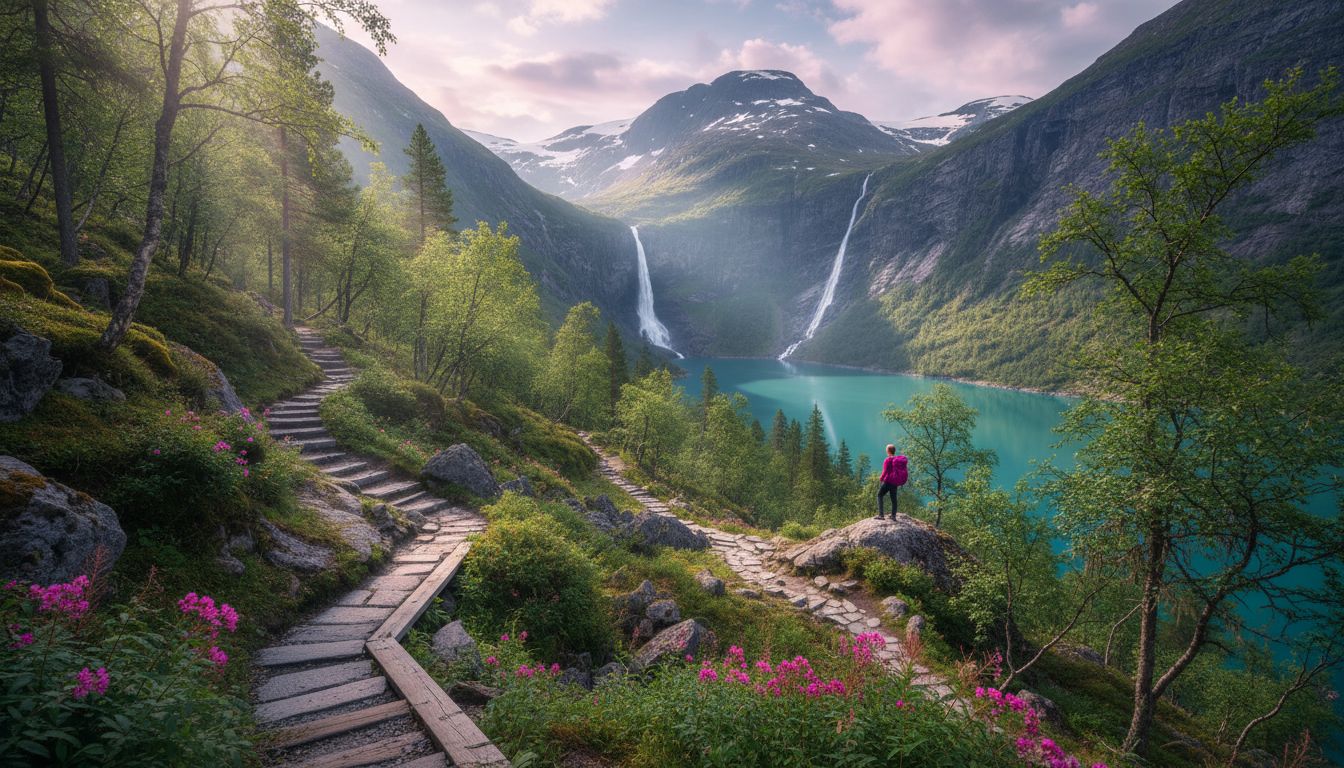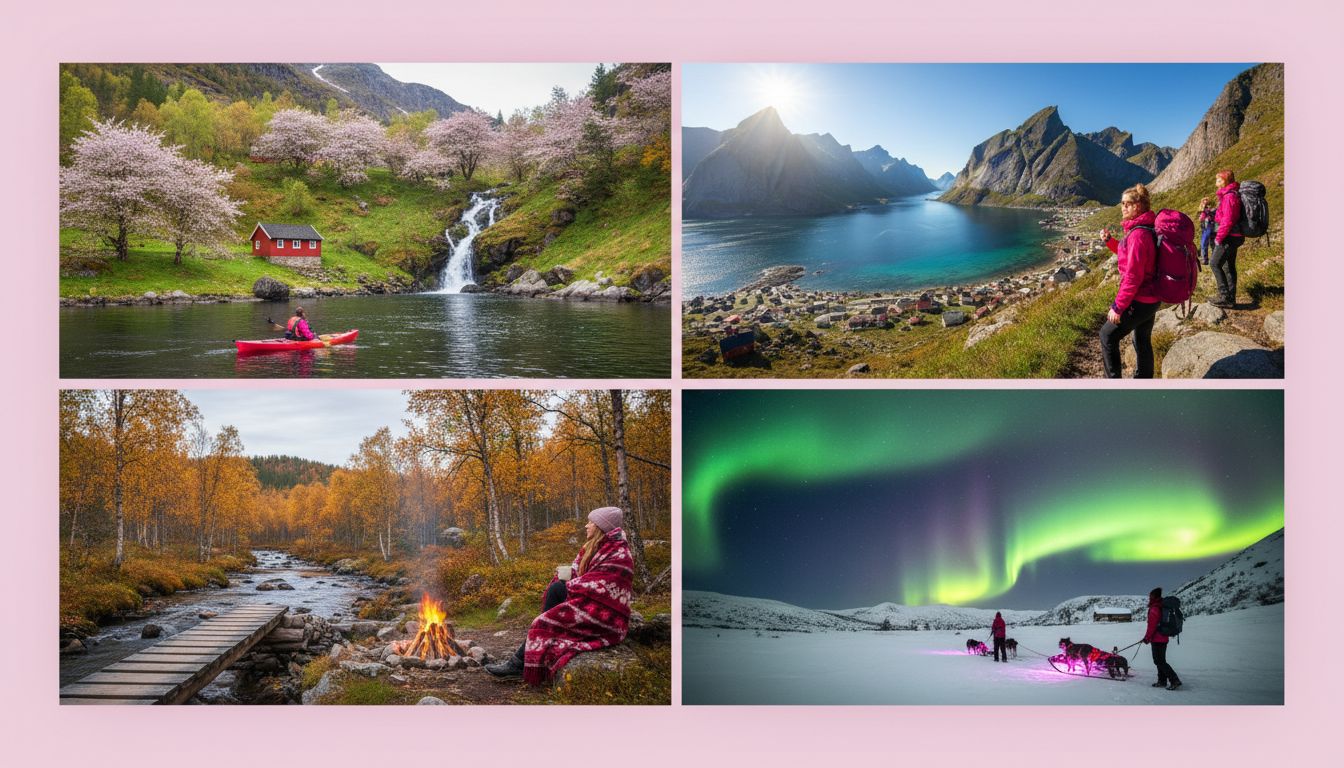
If you are planning a trip north, understanding allemannsretten Norway will make the whole experience feel far less mysterious. Norway gives people a remarkable amount of freedom to walk, camp, pick berries, and spend time outdoors, but that freedom comes with clear boundaries. The short version is simple: use nature generously, but treat it like something shared, not something you own. If you are building a wider itinerary, our Nordic travel guides and local experiences can help you turn a nature stop into a full trip.
What allemannsretten means in practice
Allemannsretten is Norway’s right to roam, also called the right of access or everyman’s right. In practice, it means that everyone can enjoy uncultivated land, no matter who owns it, as long as they behave considerately and follow the rules. The right is part of Norwegian law, not just a tradition, and it is one of the main reasons outdoor life feels so open in Norway.
It is important not to confuse this with public ownership. A hillside, shoreline, or forest may be privately owned and still be open under allemannsretten if it is utmark. The key question is not simply who owns the land. It is whether the land counts as cultivated land or uncultivated land and whether your visit will disturb people, animals, or property.
For visitors, that means the right to roam is generous, but it is not unlimited. You can explore, pause for a picnic, and enjoy the scenery, but you are expected to leave things exactly as you found them.
The big distinction: innmark vs utmark

Innmark and utmark at a glance
The easiest way to understand allemannsretten is to learn the difference between innmark and utmark.
Innmark is the private or cultivated zone around homes and farms. It usually includes:
- house plots and the space immediately around houses and cabins
- farmyards and yards
- gardens
- tilled fields and meadows
- cultivated pasture
- young plantations
- industrial or specially used areas
- fenced spaces that are set aside for special purposes
Utmark is most of the land that is not being actively cultivated. It usually includes:
- forests
- mountains
- moorland
- beaches and shorelines
- many lakeside and coastal areas
- other uncultivated natural areas
A good rule of thumb is this: if it looks like part of someone's home, farm, or working property, do not assume it is open. If it looks like open nature, it may be utmark, but you still need to behave carefully and check for signs, fences, or local restrictions.
One small but important detail is that some areas can look wild while still being treated as cultivated land. Fjord landscapes are a good example, because farmland often blends into the scenery. When in doubt, slow down, look for signs, and respect the privacy of the people who live and work there.
What you can usually do under the right to roam
The right to roam is broad, but it works best when you think in terms of everyday, low-impact outdoor use. The table below gives a simple overview.
| Usually allowed | Usually not allowed |
|---|---|
| Walking, hiking, skiing, and other low-impact outdoor use in utmark | Entering house plots, gardens, farmyards, or fenced private areas |
| Short pauses for rest, photos, or a picnic in uncultivated land | Treating cultivated land like a public park |
| Picking many berries, mushrooms, and wild flowers in utmark | Picking threatened species or ignoring local bans |
| Fishing from the shore in the sea | Freshwater fishing without the required permit or fee |
| Brief camping in uncultivated land under the distance and time rules | Camping too close to homes or staying too long without permission |
There is also a winter exception that many visitors miss. In some cases, you may cross cultivated land from 15 October to 29 April when the ground is frozen or snow-covered, but not if that would damage crops or disturb the owner. Farmyards, house plots, gardens, and similar areas remain off limits.
This is why the right to roam is easier to use than many travel laws elsewhere, but it still asks you to think before you step. The safest mindset is simple: if your presence could interfere with farming, privacy, or property, do not go there.
Camping in Norway: what travelers should know

Camping is one of the best-known parts of allemannsretten, and it is often the reason travelers look it up in the first place. The basic rule is that you may camp in uncultivated land, but you have to do it respectfully.
Here are the rules that matter most:
- Keep at least 150 meters away from the nearest inhabited house or cabin.
- Do not camp on cultivated land unless you have the owner's permission.
- Do not stay in the same spot for more than two nights without permission.
- You can stay longer in mountain areas or far from settlements, as long as you are not causing damage or inconvenience.
- The same rules apply if you sleep in a van, camper, or caravan.
- Some popular tourist areas have extra restrictions, especially during summer.
That last point matters more than many visitors expect. Norway is generous with access, but certain places get so busy that local rules are tightened to protect nature and local life. If you are planning a road trip through high-demand destinations, our destination guides can help you choose areas where outdoor access fits more naturally into your route.
A useful habit is to read the landscape before you stop. Ask yourself whether the place feels isolated enough for overnight use, whether you are near a house or cabin, and whether your presence would obviously interrupt anyone. If the answer feels uncertain, keep moving and find a more suitable spot.
Campfires, cooking, and seasonal fire bans
For many travelers, the next question is whether they can light a fire. In Norway, the answer is sometimes yes, but you need to be careful about season and local conditions.
The general bonfire ban usually runs from 15 April to 15 September. During that period, it is forbidden to light open fires and barbecues in or near forests and other outdoor areas. Local fire services or municipalities may grant exceptions in special cases, but you should never assume that a small fire is harmless just because it looks controlled.
A few practical points help a lot:
- Check local fire rules before you cook outdoors.
- Treat dry weather as a warning sign, even if you are far from town.
- Use established fire rings only where they are allowed.
- Extinguish every fire completely before you leave.
- Never leave embers, hot ash, or disposable grills behind.
If you are visiting in summer, especially in warm or windy weather, it is smart to plan meals around a stove or cold picnic food unless you have clearly confirmed that a fire is allowed. The rule is not about spoiling the experience. It is about preventing a small mistake from becoming a wildfire.
Fishing and foraging in Norwegian nature
One of the nicest parts of allemannsretten is that it is not only about moving through nature. It also gives people some basic harvesting rights.
You can usually pick berries, wild mushrooms, and many wild flowers in utmark, as long as the species are not threatened. Wild nuts may be eaten on the spot, but not taken away. Cloudberries have special rules in parts of northern Norway, so that is one of the few foraging questions worth checking before you go out.
Fishing is a separate topic, and visitors often mix it up with the right to roam. The simple version is this:
- Sea fishing from shore or in the fjords usually does not require a permit.
- Freshwater fishing usually does require a license.
- Fishing for salmon, sea trout, and Arctic char can also involve a fishing fee in addition to a license.
- Local fishing rules, protected species rules, and minimum size limits still apply.
That means a spontaneous day by the sea is relatively easy to organize, while a river or lake trip usually needs a bit more planning. If fishing is part of your trip, check the rules before you go, because they can vary by area and season.
The etiquette that keeps allemannsretten working
The written rules are important, but the unwritten rules matter just as much. Norway’s system depends on trust, and visitors keep that trust intact by behaving in ways that make access feel safe for everyone.

A few habits make a big difference:
- Close gates behind you if you open them.
- Keep your distance from homes, cabins, and gardens.
- Stay quiet near people who live or stay in the area.
- Give livestock and wildlife plenty of space.
- Keep dogs under control, and remember that Norway has a nationwide leash requirement from 1 April to 20 August, with local rules that may be stricter.
- Take all litter home with you.
- Follow signs, closures, and detours in protected areas.
That leash rule is especially useful to know if you are traveling with a dog. Even a well-behaved dog can startle sheep, reindeer, or wildlife, so the safest move is to plan around local regulations before you set out.
The same applies to noise. A place can be legally open to you and still be a bad place to linger if you are disturbing residents or other visitors. Quiet, low-impact behavior is part of the deal.
If you remember one thing about allemannsretten, make it this: freedom in Norway is built on consideration.
Quick FAQ about allemannsretten Norway
Can tourists use allemannsretten?
Yes. The right to roam applies to everyone, including visitors, as long as you follow the rules.
Can I camp anywhere in Norway?
No. You can camp only where the rules allow it, which usually means uncultivated land and the correct distance from inhabited houses or cabins.
Can I pick berries and mushrooms?
Usually yes in utmark, but do not pick threatened species and pay attention to special rules for cloudberries and other protected plants.
Can I make a fire outside?
Only when fire rules allow it. During the general summer fire ban, open fires are usually prohibited in or near forests and outdoor areas.
Do I need a permit to fish?
For sea fishing, usually not. For freshwater fishing, usually yes.
What if there is a fence or a sign?
Treat it seriously. Signs, fences, and local restrictions can change what is allowed, even in areas that might otherwise seem open.
A simple way to remember the rules
Allemannsretten is one of Norway’s best gifts to travelers. It lets you experience the country in a direct, low-cost, memorable way, but it asks for good judgment in return. Stay on the right side of innmark and utmark, keep your camping short and considerate, respect fire restrictions, and leave the landscape exactly as you found it.
If you do that, you will not just be following the law. You will be using it the way it was meant to be used.
For more trip ideas that pair well with time outdoors, browse our Nordic travel inspiration.
Article created using Lovarank