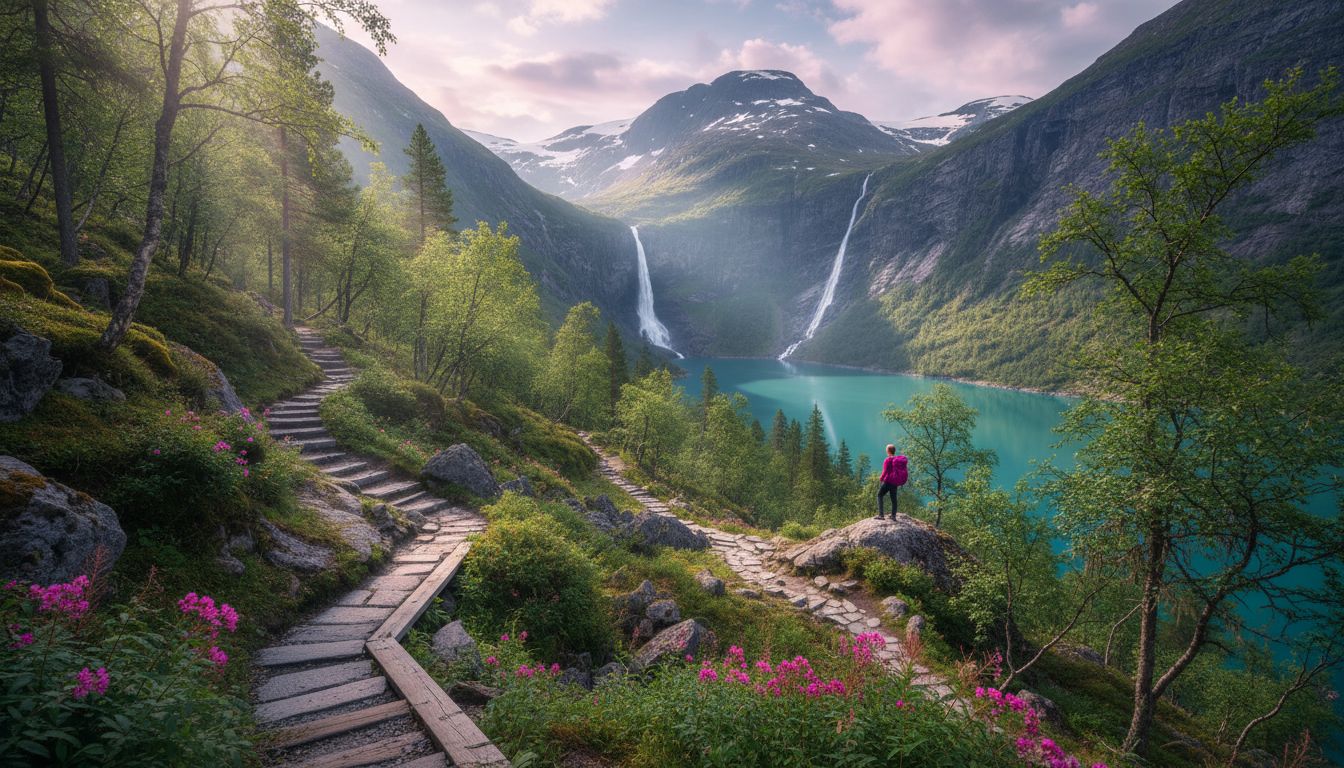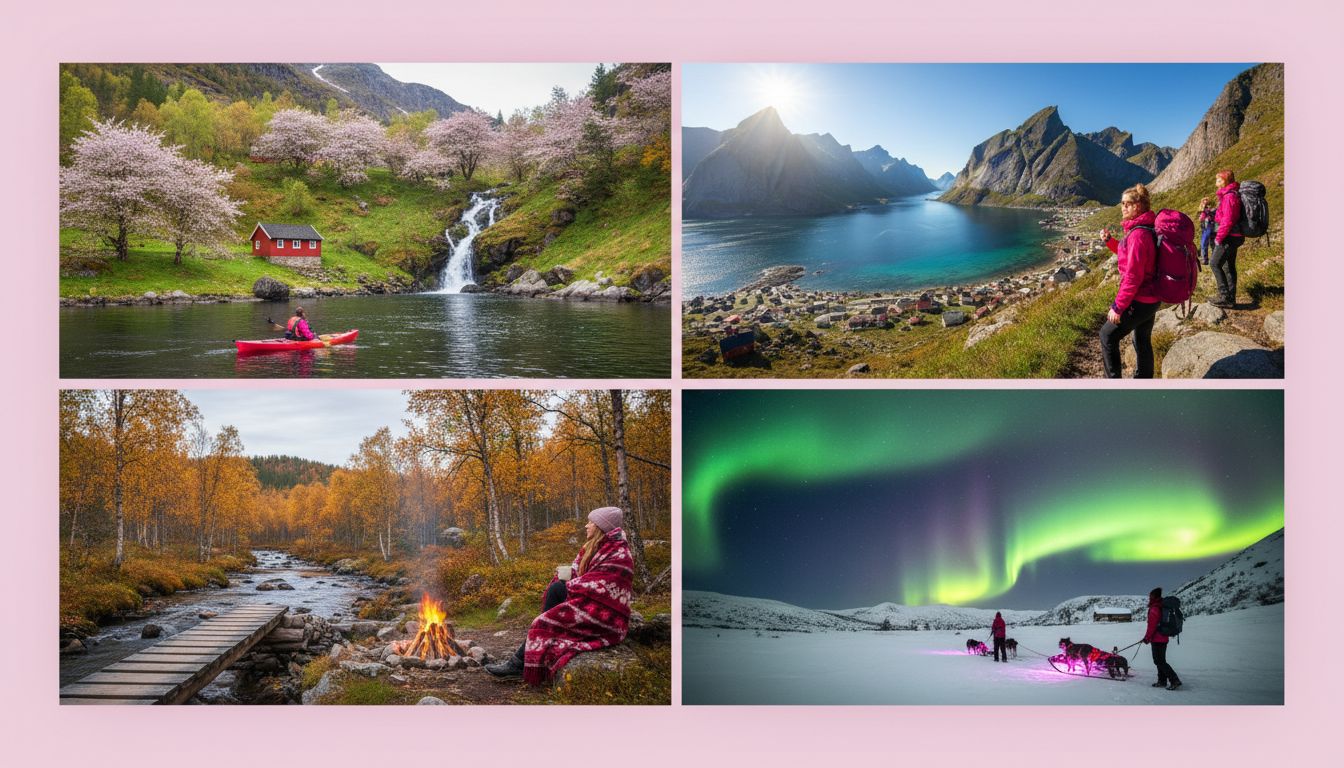
Nature is the world around us and within us, from forests, oceans, and mountains to soil, weather, wildlife, and the living systems that keep everything moving. It is easy to think of nature as scenery, but it is also the framework that makes life possible. In everyday language, the word points to the plants, animals, and landscapes we recognize immediately. In science, it reaches further into ecosystems, biodiversity, evolution, and the processes that shape the planet. This guide explains what nature means, why it matters, and how to protect it in practical ways. (britannica.com)
What nature means in everyday language
Nature usually means the physical world and everything in it that is not made by people. That includes obvious things like trees, birds, rivers, and stars, but also the forces that shape the world, such as weather, gravity, and seasonal change. It is a broad word, which is part of why it shows up in so many contexts, from nature photography to nature conservation. (britannica.com)
In a scientific context, nature is even broader. The IPBES describes it as a continuum that runs from autonomous living systems to domesticated plants and animals, and it includes biodiversity, ecosystems, ecosystem functioning, evolution, and the biosphere. That matters because nature is not just a place you visit. It is a living network of relationships, and humans are part of that network too. (files.ipbes.net)
The main building blocks of nature

Nature appears in many forms at once. A single landscape can combine soil, water, insects, birds, plants, fungi, and climate into one living system. When you start looking at nature this way, it becomes easier to see that a beach, a wetland, a meadow, and a city park all belong to the same larger story. (files.ipbes.net)
Here are some of the most familiar parts of nature:
- Plants and forests: trees, flowers, grasses, mosses, and every other form of plant life that supports habitats and food chains.
- Animals and wildlife: mammals, birds, fish, insects, reptiles, amphibians, and countless small organisms that keep ecosystems balanced.
- Water and ice: rivers, lakes, rain, groundwater, glaciers, wetlands, and oceans.
- Landforms and geology: mountains, valleys, cliffs, soil, rock, sand, and the slow forces that shape them.
- Weather and atmosphere: clouds, wind, temperature, storms, sunlight, and the seasonal patterns that influence life on Earth.
- Ecosystems and habitats: the connections between living things and the places they depend on.
Nature is not one thing, it is the combination of all of these parts working together. When one piece changes, the rest often changes too. (files.ipbes.net)
Nature vs. environment vs. wilderness
People often use these words as if they mean the same thing, but there is a useful difference. Nature usually refers to the whole natural world. Environment is broader and can include natural, built, and social surroundings. Wilderness usually means land that is relatively undeveloped and more remote. The boundaries overlap, but the terms are not identical. (files.ipbes.net)
That distinction matters because caring for nature is not only about protecting faraway forests. It also includes cleaner rivers, healthier city trees, native plants in neighborhoods, and land use that leaves room for other species to survive. In other words, nature is not just out there somewhere. It is tied to the places where people live, work, and travel every day. (who.int)
Why nature matters
Nature supports nearly every basic need people have. It gives us food, water, fertile soil, pollination, raw materials, medicines, recreation, and cultural meaning. It also helps regulate climate, filter water, and support the long chains of life that make ecosystems stable. The UN and IPBES both describe nature and biodiversity as foundations for human well-being, not optional extras. (un.org)
Biodiversity deserves special attention because variety is part of resilience. A healthy ecosystem usually depends on many species, not just one or two. When plants, animals, and microorganisms all play their roles, the system is better able to handle change, recover from stress, and continue providing benefits to people. The Convention on Biological Diversity defines biodiversity as the variability among living organisms, including diversity within species, between species, and of ecosystems. (cbd.int)
Nature and human health

Nature does not only support the planet, it supports people directly. The WHO says exposure to natural environments has been linked to reduced stress, improved mood, enhanced cognitive function, and a lower risk of chronic diseases. Green spaces, forests, and bodies of water also encourage movement, social interaction, and relaxation, which all contribute to overall health. (who.int)
That is why a short walk in a park can feel so different from a walk on a busy street. It is also why many travelers seek out places where nature is easy to reach. If you are looking for trip ideas where scenery and fresh air are part of the plan, our travel inspiration for Nordic escapes and destination guides with scenic routes and local experiences are a practical starting point.
If you like to travel in a way that leaves room for local landscapes and slower experiences, our about page explains the thinking behind that approach.
Nature and climate change
Nature is one of the strongest tools we have for responding to climate change. UNEP says that protecting, managing, and restoring nature can help address the climate crisis while also supporting biodiversity. In practice, that means forests, wetlands, grasslands, soils, and coastlines are not just beautiful, they are part of climate strategy. (unep.org)
Healthy ecosystems store carbon, absorb rainfall, reduce flood risk, cool cities, and help buffer extreme weather. The UN has also noted that land and ocean ecosystems act as natural carbon sinks, which is one reason biodiversity loss and climate change are so tightly connected. When nature is intact, it does more of this work for free. (un.org)
This is where the idea of nature-based solutions comes in. Instead of relying only on engineered fixes, people can restore mangroves, replant forests, protect peatlands, and improve soil health. Those actions support climate resilience and often create benefits for water, wildlife, and local communities at the same time. (unep.org)
Human impact on nature
Nature is resilient, but it is not invincible. The WHO warns that urbanization, land-use change, environmental degradation, pollution, and climate change threaten natural environments and increase health risks. Habitat loss, fragmentation, and overuse can push species out of the places they need to survive. (who.int)
The scale of the problem is large. The UN has warned that biodiversity loss is accelerating, many ecosystems have already been significantly altered by human activity, and roughly one million species are threatened with extinction. Those numbers are easy to skim past, but they represent a real loss of living variety, ecological stability, and future possibility. (un.org)
The important thing to remember is that human impact is not only negative by default. It also means humans have the power to restore, protect, and redesign their relationship with the natural world. The same species that causes damage can also repair it. (unep.org)
How to protect nature

You do not need to live off-grid to make a difference. Protecting nature is usually about steady habits, not dramatic gestures. A few small changes, repeated over time, can help reduce pressure on ecosystems and build a stronger connection to the natural world.
Here are practical ways to start:
- Spend more time outside and learn the names of the plants, birds, and insects where you live.
- Plant native species that support pollinators and local wildlife.
- Use less single-use plastic and cut down on waste where possible.
- Conserve water and energy in everyday routines.
- Stay on trails and respect wildlife when hiking, camping, or exploring.
- Support parks, conservation groups, and restoration projects in your community.
- Choose responsible travel that values local places instead of rushing through them.
The goal is not perfection. It is better attention, better choices, and a better sense of stewardship. Nature becomes easier to protect when you know it well enough to care about what happens to it.
FAQs about nature
What is nature?
Nature is the physical world and everything in it that is not made by people, including plants, animals, mountains, oceans, and the forces that shape the planet. In science, the term can also include ecosystems, biodiversity, and natural processes. (britannica.com)
Why is nature important?
Nature provides food, water, materials, climate regulation, recreation, and many of the systems people depend on to stay healthy and safe. It also supports mental well-being and physical health. (un.org)
What are examples of nature?
Examples of nature include forests, rivers, lakes, oceans, mountains, weather systems, wildlife, soil, and all the ecosystems that connect them. Even smaller places like urban parks and wetlands are part of nature. (britannica.com)
How does nature support human life?
Nature supports human life through ecosystem services such as food production, water filtration, pollination, flood control, recreation, and climate regulation. These benefits come from healthy, functioning ecosystems. (un.org)
Are humans part of nature?
Yes. In scientific and cultural frameworks, humans are part of the same living system as other species and ecosystems, even if people often treat themselves as separate from it in daily conversation. (files.ipbes.net)
Nature is not just something to admire from a distance. It is the system we live inside, the source of many of our daily needs, and the backdrop for countless moments of beauty and calm. The more clearly we understand it, the easier it becomes to value it, use it wisely, and protect it for the future. (files.ipbes.net)
Article created using Lovarank