The midnight sun is one of those natural wonders that sounds romantic until you try to sleep under it. In simple terms, how does the midnight sun affect humans? It can delay sleep, disrupt the body clock, change mood and alertness, and make it harder for the brain to recognize when the day is supposed to end. Some people feel energized and uplifted by all that daylight, but others feel wired, tired, or oddly out of sync.
What the midnight sun actually is

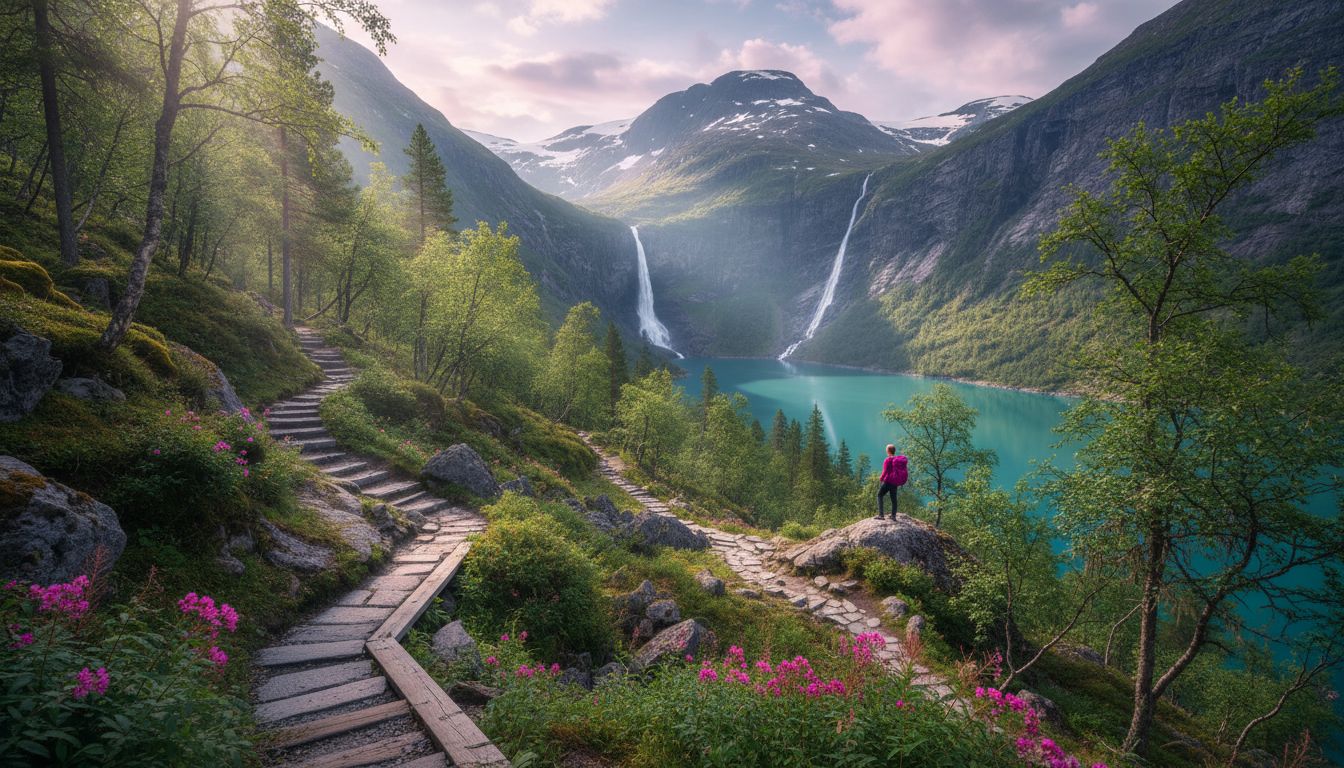
The midnight sun happens in places near or above the Arctic Circle during summer, when the sun does not fully set for days, weeks, or even longer depending on how far north you are. It is not always blazing noon-like sunlight all night. In many places, it is a long glow or bright twilight that never quite becomes true darkness.
That matters because the human brain responds less to the clock on the wall and more to light itself. If the sky stays bright past bedtime, your body may keep behaving as if it is still daytime. That is why travelers are often surprised by how hard it can be to feel sleepy in the evening, even after a long day outdoors.
If you are planning a trip around this experience, the destinations guide is a useful place to explore northern places where long summer daylight is part of the appeal.
How the midnight sun affects the body clock
The main reason the midnight sun changes how people feel is its effect on the circadian rhythm, which is your body’s internal 24-hour timing system. Light tells the brain when to stay awake and when to wind down. Darkness tells it to start releasing melatonin, the hormone that helps prepare you for sleep.
When the sky stays bright late into the night, that signal gets muddled. Melatonin may rise later than usual, sleepiness may arrive late, and the timing of sleep can drift. Many people then feel the consequences the next day, even if they technically spent enough time in bed.
This is one of the key reasons the midnight sun can feel so strange. The body is not just reacting to brightness. It is reacting to a mismatch between the environment and the timing it expects. Morning light usually helps set the rhythm in a healthy direction, while bright late-night light can push the clock later.
Artificial light can add to the problem, even though it is much dimmer than the sun. A bright phone screen, a lit-up room, or a long evening in front of a TV can reinforce the message that it is still time to be awake. In a place with midnight sun, that extra light can be enough to make sleep feel even further away.
Sleep is usually the first thing people notice

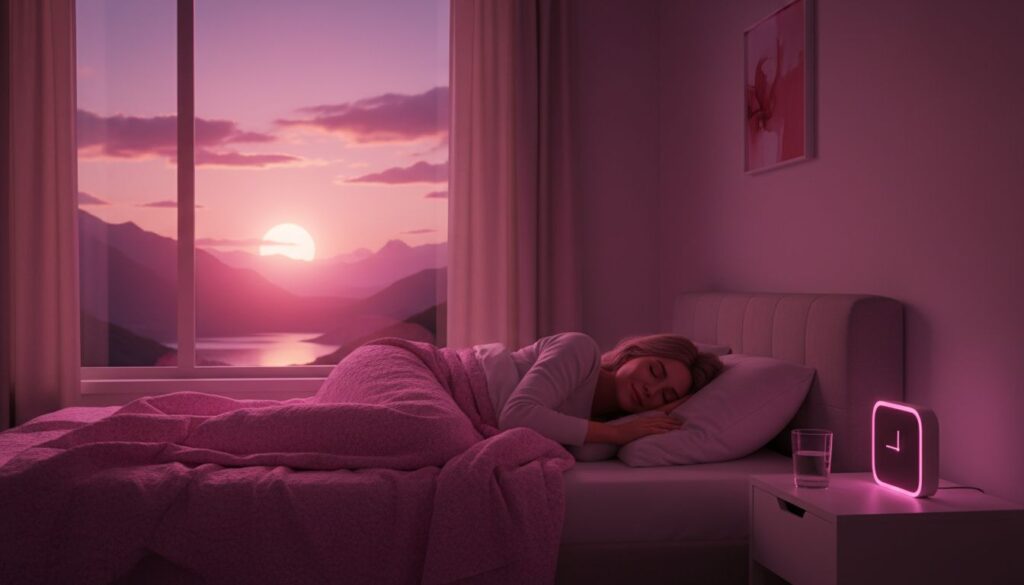
Sleep disruption is the most common effect people notice. Some people lie in bed feeling alert when they expected to feel drowsy. Others fall asleep, but wake up more often or sleep more lightly than usual. A few end up sleeping less overall because their bedtime slowly drifts later and later.
The result is often a familiar mix of symptoms:
- Trouble falling asleep at the usual time
- Shorter sleep duration
- Lighter, more fragmented sleep
- Difficulty waking up refreshed
- Daytime grogginess or mental fog
- Extra naps or accidental dozing
For visitors, this can feel a lot like jet lag even if they did not cross many time zones. For residents, it may be less dramatic, but still disruptive enough to affect work, family routines, and energy levels.
Sleep matters here because it is not just about feeling rested. Poor sleep affects attention, reaction time, memory, and emotional control. That means a night of bright skies can spill into the next day as slower thinking, lower patience, and a stronger urge to caffeine your way through the morning.
Mood, focus, and mental health can shift too
The midnight sun does not affect everyone in the same way. Some people feel cheerful, motivated, and socially energized. Others feel restless, irritable, or strangely flattened. That split is part of what makes the topic so interesting.
Light exposure, sleep timing, and mood are closely linked. When sleep gets disrupted, mood often follows. People may notice:
- Irritability or impatience
- Trouble concentrating
- A sense of being over-tired but unable to settle down
- Anxiety about not sleeping well
- A lower mood after several bad nights
- Feeling emotionally “off” even when nothing obvious is wrong
For people with a history of depression, insomnia, or bipolar disorder, this can matter even more. Big changes in sleep can make mood symptoms harder to manage. If someone starts needing much less sleep and still feels unusually energized, talkative, or impulsive, that is a sign to get medical help quickly.
That does not mean midnight sun is harmful for everyone. It means the same light that makes the landscape unforgettable can also push vulnerable people out of their normal rhythm.
Who tends to feel it the most?
Travelers often notice the effects first because they are in a new environment, sleeping in an unfamiliar room, and trying to keep their usual routine in a place where the sun refuses to cooperate. But some groups tend to be more sensitive than others.
These include:
- People who already have insomnia or light-sensitive sleep problems
- People with bipolar disorder, especially if sleep loss tends to affect their mood
- Older adults, who may already have a more early-shifting sleep pattern
- Children, who can become overtired quickly if bedtime slips too far
- Shift workers, whose sleep schedules are already unstable
- Anyone who relies on strict sleep timing for work or health reasons
In practice, the difference often comes down to flexibility. People with a very regular sleep routine may adapt better than people who are already running on too little sleep or a changing schedule.
Are there any benefits to all that daylight?
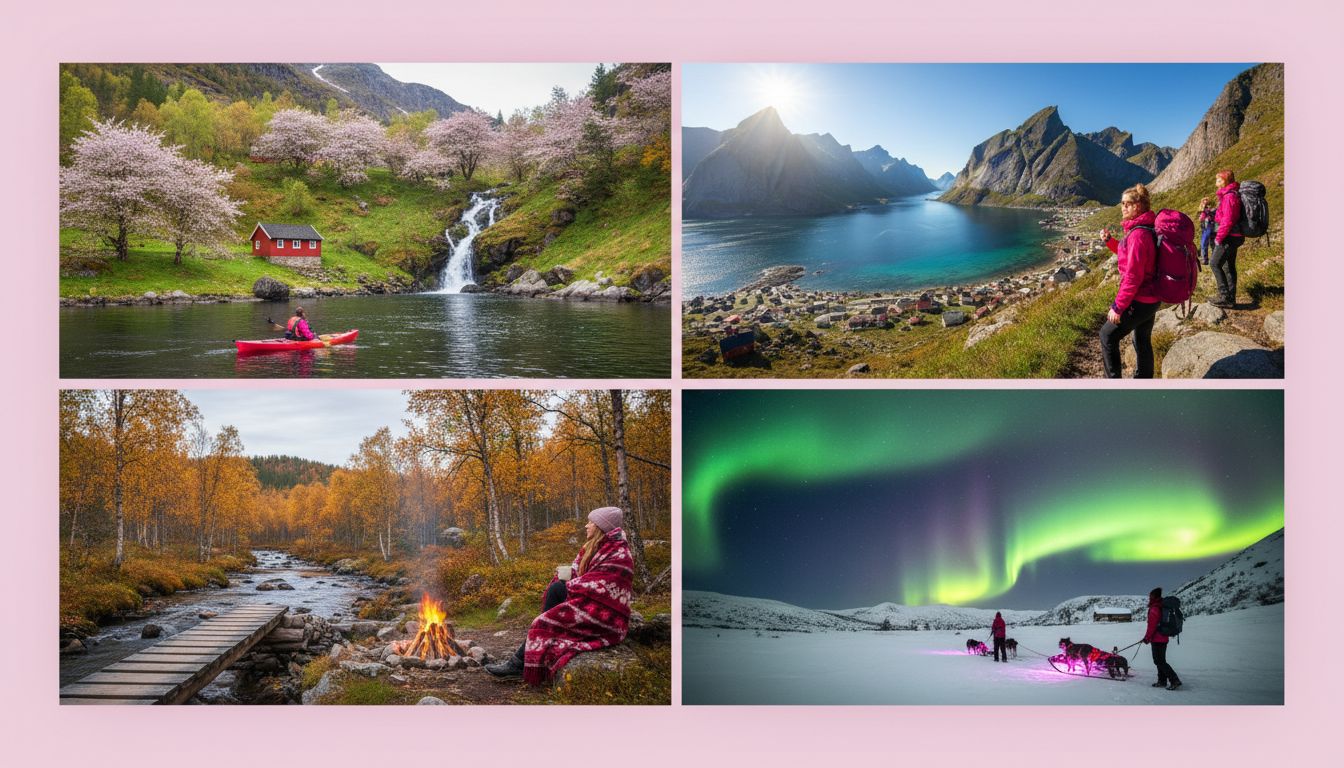
Yes, there can be. Midnight sun is not only a sleep problem. It can also give people more time to be outside, move their bodies, and enjoy the landscape. Many people genuinely feel happier when they spend more time in natural light and fresh air.
Long daylight can encourage:
- More walking, hiking, and outdoor exercise
- More social time after work
- A stronger sense of energy during the day
- Better opportunities for sightseeing and photography
- A more relaxed summer schedule
This is why some visitors love the far north in summer. It feels like the day has room to breathe. If you want travel ideas that make good use of that long light, the inspiration page is a good place to find trip concepts and seasonal planning ideas.
The catch is that the benefits usually depend on protecting sleep. If the midnight sun keeps you awake until 2 a.m. and you feel wrecked the next day, the magic starts to wear thin.
How to cope with the midnight sun

The good news is that you can do a lot to make midnight sun easier on the body. The goal is not to fight nature. The goal is to give your brain a clear signal that night is still night.
Build darkness into your sleep space
Blackout curtains are the most useful tool for many people. A sleep mask can help too, especially if the room never gets fully dark. Even a small amount of light can keep the brain more alert than you want at bedtime.
Keep a steady routine
Try to go to bed and wake up at about the same time every day. That consistency helps your circadian rhythm stay anchored, even when the outside world is bright. A short wind-down ritual, like reading, stretching, or a warm shower, can also teach your body what comes next.
Reduce evening light exposure
Dim indoor lights in the evening and limit bright screens before bed. If you must use a phone or laptop, lower the brightness and keep it brief. The idea is to stop sending “daytime” signals after you have already decided to rest.
Use sunlight on purpose
Morning light is useful. If you get outside earlier in the day, it helps reinforce the timing of wakefulness and sleep later on. That is one reason a short walk in the morning can make a difference.
Watch caffeine and naps
Coffee, tea, energy drinks, and long naps can all make it harder to fall asleep at night. If you are struggling, keep caffeine earlier in the day and limit naps to a short reset rather than a long sleep replacement.
Be cautious with melatonin
Some people use melatonin to help reset sleep timing, but timing and dose matter. If you already take medication, have insomnia, or have a mood disorder, it is smart to check with a clinician before trying anything new.
If you are traveling, plan your days around rest
When you are sightseeing under the midnight sun, it is easy to overdo it because the daylight makes everything feel available. Leave some space in the schedule. A slower pace gives you a better chance to enjoy the light without wrecking the night.
For a broader look at the region before you go, the Scandinavia Holiday homepage is a helpful starting point for Nordic travel planning.
Sun safety still matters, even when it feels cooler
The midnight sun is not just a sleep issue. It is also a sun exposure issue. Long daylight means more time under UV rays, especially for people hiking, boating, fishing, or spending hours outdoors. Snow, water, and pale sand can reflect UV and increase exposure.
A few basics go a long way:
- Use broad-spectrum sunscreen
- Wear sunglasses with UV protection
- Bring a hat and protective clothing
- Reapply sunscreen if you are out for long stretches
- Be careful near water or snow, where reflected light can be stronger
This is easy to forget in the far north because the air may feel cool and the evening light looks gentle. But UV exposure can still add up.
Frequently asked questions
Is the midnight sun bad for health?
Not automatically. For many people, it is just an adjustment. The main health concern is when the extra light disrupts sleep for long enough to affect mood, energy, or daily function.
Can the midnight sun cause insomnia?
It can make insomnia worse, and it can make it harder for some people to fall asleep. If you already struggle with sleep, the extra light can be a real challenge.
Does the midnight sun affect children differently?
It can. Children often need consistent routines, and a bright late-night sky can make bedtime harder to enforce. Overtired children may become more irritable or hyperactive.
How long does the midnight sun last?
That depends on latitude. Farther north, it lasts longer. Near the Arctic Circle, it can stretch through part of the summer, and near the pole it can last for months.
Is the midnight sun the same as polar night?
No. They are opposites. Midnight sun means the sun stays above the horizon for a long stretch. Polar night means the sun does not rise for a long stretch.
Does the midnight sun affect vitamin D?
It can influence UV exposure, which is part of vitamin D production, but the relationship is not simple. Skin tone, clothing, sunscreen, latitude, and how much time you actually spend outside all matter.
The bottom line
How does the midnight sun affect humans? Mostly through light. It delays the body clock, suppresses the normal nighttime sleep signal, and can ripple into mood, focus, and energy levels. Some people love the extra daylight and feel better with more time outdoors. Others need a few smart habits, like blackout curtains, a steady schedule, and sun protection, to keep it from becoming exhausting.
If you think about it that way, the midnight sun is not just a striking natural phenomenon. It is also a reminder that humans are still deeply tied to the rhythm of light and dark, even when summer tries to blur the line between them.
Article created using Lovarank