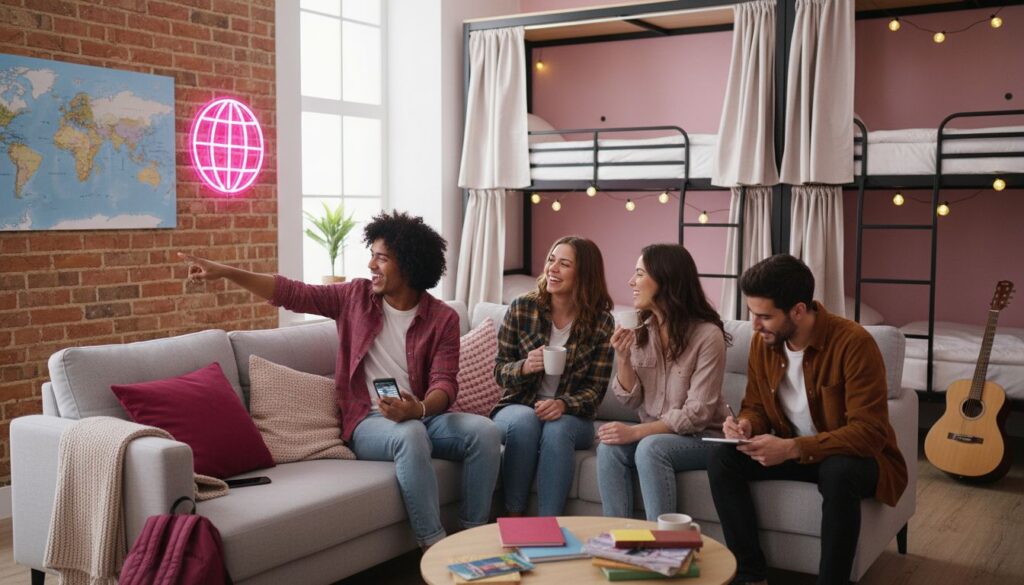
Hostels are one of the easiest ways to travel cheaply without settling for a bad location or a sterile room. The best ones combine shared or private rooms, communal spaces, lockers, and a social atmosphere that makes it easier to meet other travelers. That is why hostels now work for solo travelers, couples, families, and anyone who wants flexible, budget-friendly accommodation rather than a standard hotel stay. (hihostels.com)
What hostels actually are

At their core, hostels are built around shared space. You may sleep in a dorm with mixed or single-sex beds, or book a private room if you want more quiet. Many properties also include a common room, kitchen, lounge, bar, laundry, or library, so the social side of the stay can be just as important as the bed itself. Hostelling International describes hostels as low-cost accommodation with both shared and private options, plus communal facilities that help guests connect. (hihostels.com)
That communal model is also part of the appeal for travelers who care about low-impact trips and local connection. HI frames hostelling as a more sustainable way to travel because shared facilities and community-minded service can lower the footprint of a stay while still keeping things affordable. (hihostels.com)
How to choose the right hostel
The easiest way to narrow the list is to start with location, then move to room type, atmosphere, and reviews. A bed that is slightly cheaper but far from transit or the places you want to visit can cost more in time, taxis, and energy. If you are planning a Nordic trip, our destination guides are a useful way to compare cities and decide where a hostel stay makes the most sense. If you are still shaping your route, our travel inspiration page can help you think through the bigger trip. (hostelworld.com)
If you are traveling alone, look for hostels with strong social spaces, organized activities, and recent reviews that mention friendly staff. If you want sleep more than socializing, smaller dorms or private rooms usually feel calmer. Private rooms are now common in hostels, and they can be a smart middle ground when you want privacy without paying hotel prices. (hostelworld.com)
Before you book, confirm the room type, bathroom setup, lockers or safes, Wi-Fi, kitchen access, cancellation terms, and check-in window. These are the small details that most often affect comfort and value. Many hostels provide lockers or a reception safe if they do not place storage in the room, but some expect you to bring your own padlock. (hihostels.com)
Types of hostels and who they suit

Not all hostels feel the same, so it helps to match the property to your travel style.
Dorm-style hostels
Dorms are the classic hostel option, and they are usually the cheapest. They work best if you care more about price and atmosphere than total privacy. Shared rooms can be single-sex or mixed, and the smaller the dorm, the more personal the experience usually feels. (hihostels.com)
Private-room hostels
Private rooms give you more sleep, more privacy, and a better fit for couples or people on a work trip. They cost more than dorm beds, but they are still often cheaper than a standard hotel room, which makes them a useful compromise. (hihostels.com)
Social, quiet, boutique, and eco-focused hostels
Some hostels lean heavily social, with events, big common spaces, and a bar. Others keep things quiet and simple. Many also lean into sustainability, from lower-impact operations to community support, and that is especially visible in the HI network. If you care about the character of the stay as much as the bed, read recent reviews for clues about noise, cleanliness, and the kind of crowd that books there. (hihostels.com)
Safety, security, and etiquette

Good hostels make safety visible without making the stay feel rigid. Look for secure lockers or safes, staffed reception hours, and clear access control such as key cards or PIN codes. Trusted listings often explain where cameras are placed, and reputable hostels avoid cameras in private spaces like dorms and bathrooms. Recent reviews are still one of the best ways to judge whether the property feels organised and well run. (hostelworld.com)
If you want extra comfort, women-only dorms, smaller room sizes, and private rooms can all make a stay feel easier. Hostelworld’s safety guidance also stresses lockers, reception safes, and clear check-in rules, which is why it pays to read the fine print before you arrive. (hostelworld.com)
Shared rooms work best when everyone keeps their footprint small. Hostel etiquette usually comes down to respect for shared space, clean surfaces, quiet nights, and food that stays in the kitchen instead of the dorm. (hostelworld.com)
- Keep valuables in your locker or safe, not on the bed.
- Use common areas for unpacking, eating, and long phone calls.
- Bring earplugs and a sleep mask if you are sensitive to noise or light.
- Clean up in the kitchen and bathroom right away.
- Meet new people in common spaces first, not in someone’s sleeping area.
- Ask before borrowing outlets, shelves, or extra space.
A little courtesy goes a long way in hostels, and it often makes the whole property feel better for everyone.
Hostel vs hotel vs Airbnb
A hostel usually gives you lower prices, shared spaces, and more chance to meet people. A hotel gives you privacy and predictable service. Airbnb can offer space or a local feel, but you will not usually get the same built-in social environment. Even within hostels, private rooms often stay below standard hotel pricing, so the gap is not always as wide as people expect. (hostelworld.com)
- Choose hostels when budget and community matter.
- Choose hotels when sleep, privacy, and full-service comfort matter most.
- Choose Airbnb when you want apartment-style space for a longer stay or a group trip.
If you are undecided, think about how much time you will actually spend in the room. The more you are out exploring, the more sense a hostel often makes.
Booking tips that save money
Prices change with destination, season, room type, and even the size of the dorm. In general, popular cities, peak summer dates, and festival weekends sell out first, so booking early helps. It also pays to read recent reviews instead of relying on an old average score, because room layout, staff quality, and noise can shift over time. (hostelworld.com)
Another easy win is to compare total value rather than the nightly rate alone. A cheaper bed is not a deal if it adds fees for towels, storage, breakfast, or a worse location. If you book with Hostelling International, member rates or discounts may apply, and direct booking can avoid third-party commissions. That can be useful if you are planning a longer trip and want your budget to go further. (hihostels.com)
Before you confirm, check cancellation terms, late check-in policy, and whether the hostel requires a padlock or rents one at reception. Those little details are easy to ignore when you are excited about the price, but they are often the difference between a smooth arrival and a frustrating one. For more ideas as you map out a longer route, our travel inspiration page can help you connect one stop to the next. (hihostels.com)
FAQ
Are hostels safe?
Often, yes, especially when the hostel has lockers, reception safes, staffed hours, and secure access. Read recent reviews, check the property layout, and avoid places that are vague about security. Good hostels usually make safety easy to understand before you book. (hostelworld.com)
Do hostels have private rooms?
Many do, and they have become much more common. Private rooms are a smart choice when you want a quieter night or you are traveling as a couple, family, or small group. (hihostels.com)
Can couples stay in hostels?
Yes. Private rooms make hostels practical for couples who want a lower-cost base with shared facilities and a more social atmosphere than a standard hotel. (hihostels.com)
What should I bring to a hostel?
A small padlock, earplugs, a sleep mask, flip-flops for shared showers, and a charging cable are the most useful basics. Some hostels provide lockers, while others expect you to bring or rent a padlock, so check the listing before you leave. (hihostels.com)
Are hostels only for young backpackers?
No. Hostels were built around budget travel and social connection, but they are now used by a much broader mix of travelers. Private rooms, shared lounges, and clear standards for cleanliness and security make them workable for many trip styles. (hihostels.com)
Final thoughts
Hostels work best when you choose them intentionally. Match the property to the kind of trip you want, whether that means a lively dorm in the center of town, a quiet private room, or a sustainable stay with a strong community feel. If Scandinavia is on your list, start with the Scandinavia Holiday homepage for Nordic travel guides and local ideas that can help you build a smarter route. (hihostels.com)
Article created using Lovarank