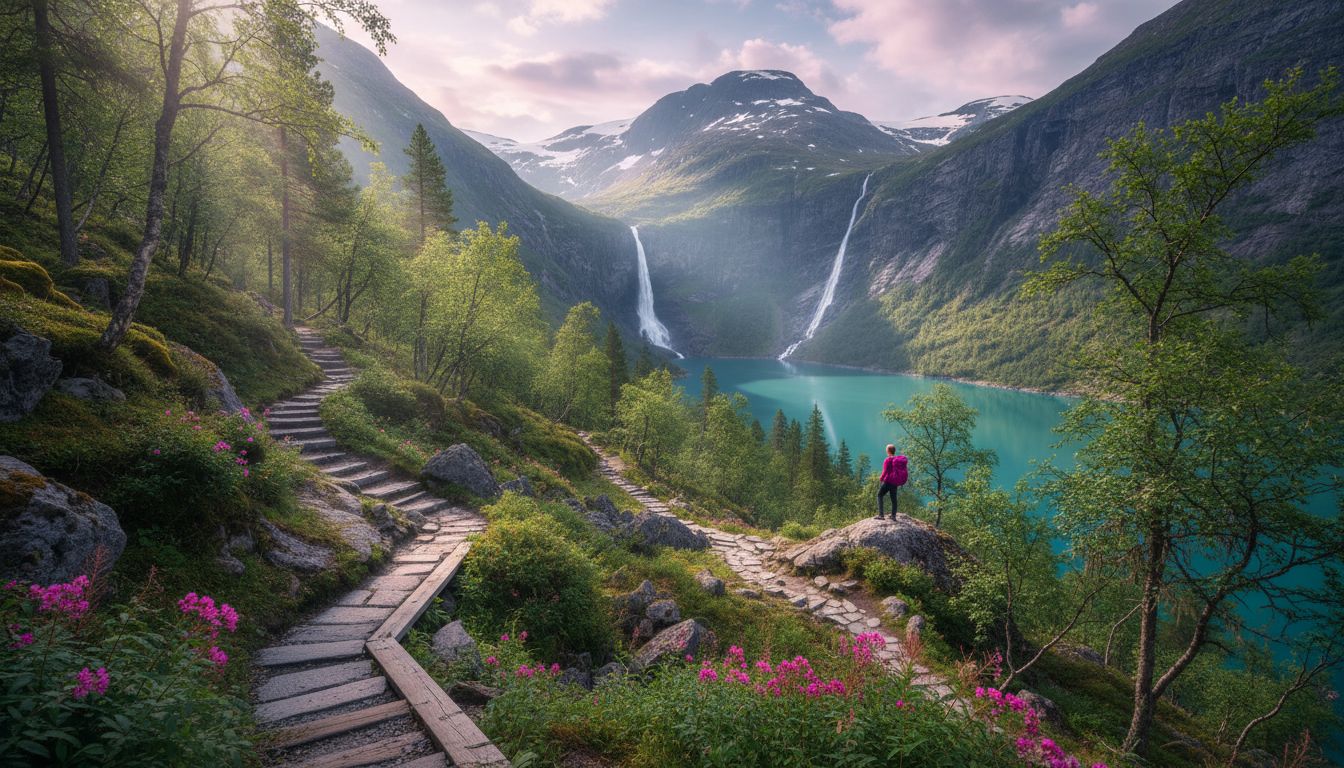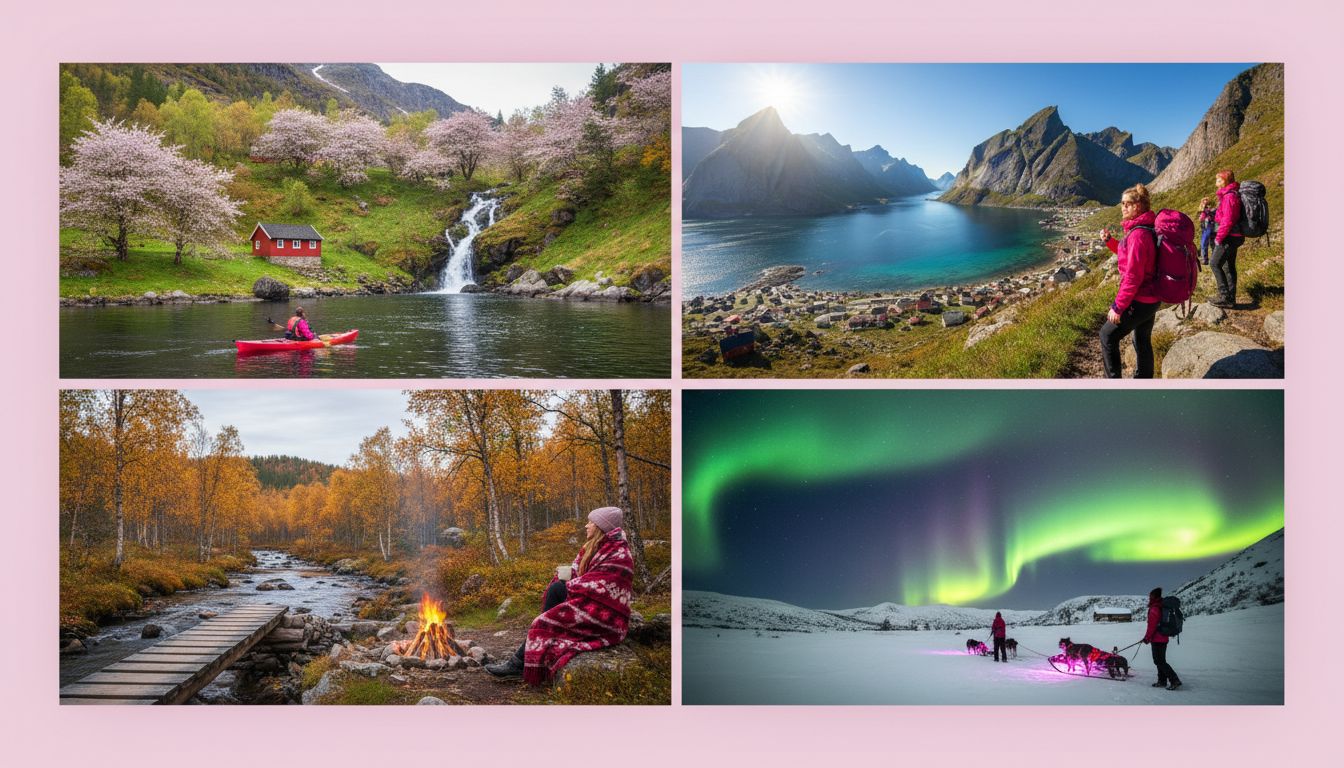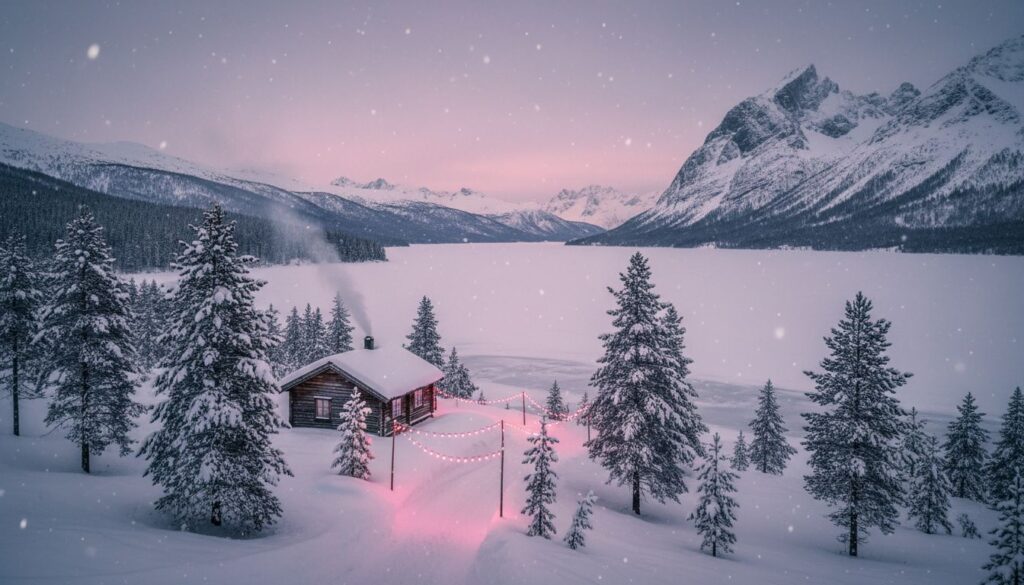
Few travel decisions carry as much anticipation as planning a winter trip to Scandinavia. Snow-covered forests, the shimmer of the Northern Lights, steaming saunas, and cities glowing with Christmas lights — the region delivers experiences you simply cannot find anywhere else. But with five distinct countries to choose from, each offering a different flavor of Nordic winter, picking the right one for your trip matters more than most people realize.
This guide breaks down each country honestly, compares them side by side, and helps you decide which destination actually fits your travel style, budget, and expectations.
Quick Answer: Which Scandinavian Country Should You Visit in Winter?
If you are short on time, here is the summary:
| Travel Style | Best Country |
|---|---|
| First-time visitor | Norway |
| Budget traveler | Sweden |
| Families with kids | Finland |
| Aurora hunters | Norway (Tromsø) |
| City break + culture | Denmark |
| Adventure seekers | Iceland |
| Sauna & wilderness | Finland |
| Cozy atmosphere | Sweden or Denmark |
Still not sure? Keep reading for the full breakdown.
What Makes Scandinavian Winter Special?
Scandinavian winter is not just cold weather — it is an entirely different relationship with the season. The Nordic concept of friluftsliv (outdoor life in all conditions) in Norway, hygge (cozy togetherness) in Denmark, and lagom (comfortable balance) in Sweden are not tourist brochure phrases. They shape how locals actually live through the dark months, and they shape what visitors experience.
Weather Expectations by Country
Temperatures vary significantly across the region. Denmark is the mildest, rarely dropping below -5°C in Copenhagen. Sweden and Norway range from around -5°C on the coasts to -20°C and below in Lapland. Finland can be brutally cold in the north, with January temperatures reaching -30°C in some areas. Iceland is surprisingly mild on the coast (around 0°C to -3°C) but extremely windy and wet.
Daylight Hours and Polar Night
This is the single biggest practical factor most travelers underestimate. Above the Arctic Circle, polar night means zero sunlight for weeks at a time in December and January. South of the circle, days are short but there is still a few hours of pale, golden light.
- Copenhagen: About 7 hours of daylight in December
- Stockholm: Around 6 hours in December
- Oslo: Around 6 hours in December
- Tromsø, Norway: Polar night from late November to mid-January
- Rovaniemi, Finland: Around 3 hours of daylight in December
- Reykjavik, Iceland: Around 5 hours in December
Best Months to Visit Each Country
December is peak Christmas market season, especially in Denmark and Sweden. January offers the darkest skies and best aurora odds but also the coldest temperatures. February and March strike the best balance — solid snow cover, returning daylight, and active winter sports. March is particularly good for skiing, with longer days and reliable snow still present across Norway, Sweden, and Finland.
Norway in Winter — Best for Northern Lights and Fjords

Norway is the most iconic winter destination in Scandinavia, and for good reason. The combination of dramatic fjord scenery, strong aurora viewing opportunities, and world-class winter infrastructure makes it a standout choice — particularly for first-time Scandinavian travelers.
Top Winter Destinations in Norway
Tromsø is the undisputed aurora capital of the region. Located 350 kilometers above the Arctic Circle, it sits directly under the auroral oval, the geographic band where the Northern Lights are most active. The city is also large enough to have excellent restaurants, museums, and a lively après-ski culture.
The Lofoten Islands offer some of the most photographed winter scenery anywhere — red fishing huts (rorbuer) dusted with snow against a backdrop of jagged peaks. The Gulf Stream keeps temperatures surprisingly mild here despite the latitude.
Oslo provides a more accessible winter city break, with world-class ski resorts reachable by metro (the Holmenkollen area) and excellent museums.
Best Winter Activities in Norway
- Dog sledding in Finnmark
- Northern Lights chasing (guided tours from Tromsø)
- Skiing at Geilo, Hemsedal, or Trysil
- Snowshoeing and glacier walks
- Whale watching off the Lofoten coast (December to February)
- Visiting the Sami people and learning about reindeer herding
Norway Winter Travel Costs
Norway is expensive. Budget travelers should expect to spend around $120–$180 per day for mid-range accommodation and meals. Northern Lights tours start at $80–$150 per person. Pre-booking accommodation in Tromsø is essential, as it sells out weeks in advance during peak aurora season (January to March).
Who Should Visit Norway in Winter?
Norway is best for travelers who prioritize dramatic scenery, aurora viewing, and are willing to pay for quality experiences. It is the top pick for first-timers who want the full "Scandinavian winter" experience in one destination.
Sweden in Winter — Best for Cozy Culture and Lapland
Sweden sits in a sweet spot between budget-friendly and experiential. It offers everything from sophisticated Stockholm city breaks to dogsledding in Swedish Lapland, without quite the price premium of Norway.
Top Winter Destinations in Sweden
Swedish Lapland centered around Kiruna and Abisko is one of the best aurora spots in the entire region. Abisko National Park is particularly prized because a localized microclimate creates more clear-sky nights than surrounding areas — a significant advantage for aurora hunting.
Stockholm is a genuinely excellent winter city. The archipelago freezes, the Gamla Stan old town glows under lanterns, and the indoor food halls like Östermalms Saluhall are exactly the kind of cozy refuge you want in January.
Åre is Scandinavia's top ski resort, rivaling anything in the Alps for après-ski culture and terrain variety.
Best Winter Activities in Sweden
- Staying at the original ICEHOTEL in Jukkasjärvi (rebuilt fresh each year from Torne River ice)
- Dog sledding and snowmobile safaris in Lapland
- Aurora viewing from Abisko
- Skiing and snowboarding at Åre
- Experiencing glögg (mulled wine) and fika (coffee break) culture in Stockholm
- Ice skating on frozen lakes
Sweden Winter Travel Costs
Slightly more affordable than Norway. Mid-range daily budget in Stockholm runs $100–$150. In Lapland, costs rise due to package experiences. The ICEHOTEL rooms start at around $200–$300 per night but are genuinely once-in-a-lifetime experiences.
Who Should Visit Sweden in Winter?
Sweden suits travelers who want both urban culture and Arctic adventure without paying Norway prices. It is also the best choice for aurora hunters who prioritize clear skies over dramatic fjord scenery — Abisko genuinely has better visibility odds than Tromsø on average.
Finland in Winter — Best for Families and Arctic Experiences

Finland has quietly become one of the most compelling winter destinations in Scandinavia, particularly for families. The combination of Santa Claus village, husky safaris, reindeer sleigh rides, and exceptional sauna culture creates an experience unlike anywhere else.
Top Winter Destinations in Finland
Rovaniemi sits exactly on the Arctic Circle and is home to the official Santa Claus Village. For families with young children, this alone makes it the clear winner. Beyond the Santa experience, Rovaniemi is a solid base for all Arctic activities.
Levi, Saariselkä, and Ylläs are the major ski and wilderness resorts, each offering superb activity packages including snowmobile safaris, northern lights tours, and reindeer herding experiences.
Helsinki is an underrated winter city — compact, design-forward, and with a sauna culture you can experience even in the heart of the capital (the public Löyly and Allas Sea Pool saunas are outstanding).
Best Winter Activities in Finland
- Husky sledding (Finland has more huskies per capita than almost anywhere)
- Reindeer sleigh rides
- Aurora viewing from glass-roofed cabins
- Ice fishing on frozen lakes
- Finnish sauna rituals including ice swimming
- Snowshoeing in Pyhä-Luosto National Park
Finland Winter Travel Costs
Finland falls in the mid-range. Helsinki is comparable to Stockholm. Lapland packages can be expensive when bundled, but individual activities are often cheaper than equivalent Norwegian tours. Aurora cabin stays vary widely, from $150 to $500+ per night depending on the glass-roof or bubble style.
Who Should Visit Finland in Winter?
Finland is the undisputed choice for families, especially those with children under 12. The sauna culture is also a major draw for travelers interested in a deeply local cultural experience. Aurora hunters should note that Finnish Lapland has excellent viewing conditions from January through March.
Denmark in Winter — Best for City Breaks and Christmas Markets
Denmark does not have snow-capped peaks or the Northern Lights. What it does have is possibly the world's best Christmas market atmosphere, some of Europe's finest restaurants, and the concept of hygge lived out in every cozy café and candlelit dining room.
Top Winter Destinations in Denmark
Copenhagen is the star. The Tivoli Gardens Christmas market (running November through January) is one of Europe's most magical seasonal events. The city's restaurant scene — including some of the world's top-rated establishments — is at its intimate best in winter.
Aarhus on the Jutland peninsula offers a more local, less touristy Christmas experience with its Den Gamle By open-air museum transformed into a Victorian Christmas setting.
Best Winter Activities in Denmark
- Tivoli Gardens Christmas market in Copenhagen
- World-class dining in Nørrebro and Vesterbro neighborhoods
- Exploring Nyhavn canal by winter light
- Visiting Kronborg Castle (the setting for Shakespeare's Hamlet)
- Day trips to Malmö, Sweden via the Øresund Bridge
- Hygge-focused café hopping with æbleskiver (Danish doughnuts) and hot chocolate
Denmark Winter Travel Costs
Copenhagen is expensive but slightly less so than Oslo or Reykjavik. Mid-range daily budgets of $120–$160 are realistic. Budget options are more available here than in Norway, including a stronger hostel scene and more affordable casual dining.
Who Should Visit Denmark in Winter?
Denmark is perfect for city-focused travelers, couples, and food lovers. It is also the most accessible entry point into Scandinavia for those flying from North America or Asia via major hubs — Copenhagen Airport (CPH) is the region's best-connected international airport. You cannot see the Northern Lights from Denmark, so aurora hunters should look elsewhere.
Iceland in Winter — Best for Dramatic Landscapes and Adventure

Technically not part of Scandinavia (Iceland is a Nordic nation but geographically separate), Iceland earns its place in this comparison because travelers consistently choose between it and the Scandinavian countries. It offers the most dramatic, otherworldly winter scenery of any destination in the region.
Top Winter Destinations in Iceland
Reykjavik is a surprisingly small and walkable capital with an outsized food and culture scene. The Golden Circle route (Þingvellir, Geysir, Gullfoss) is doable year-round but particularly atmospheric in winter. The South Coast with its black sand beaches, ice caves, and frozen waterfalls like Skógafoss and Seljalandsfoss is one of the most photographed landscapes in the world.
Best Winter Activities in Iceland
- Glacier hiking and ice cave exploration (Vatnajökull glacier, accessible only in winter)
- Northern Lights viewing (best January to March away from city light)
- Snorkeling or diving in Þingvellir National Park
- Snowmobiling on glaciers
- Whale watching from Reykjavik or Húsavík
- Soaking in geothermal pools (Blue Lagoon, Sky Lagoon, natural hot pots)
Iceland Winter Travel Costs
Iceland is the most expensive destination in this comparison. Daily budgets of $150–$250 are realistic for mid-range travel. Car rental is essential outside Reykjavik and prices rise in winter due to the need for 4WD vehicles. Many activities require guided tours for safety.
Who Should Visit Iceland in Winter?
Iceland suits adventure-focused travelers who want geological drama and unique experiences like ice cave tours. It is less suited to budget travelers or those who prefer urban comfort. Road conditions can be severe, and flexibility in your itinerary is important — storms regularly close roads and cancel tours.
Scandinavian Countries Winter Comparison Table
| Norway | Sweden | Finland | Denmark | Iceland | |
|---|---|---|---|---|---|
| Aurora Viewing | ⭐⭐⭐⭐⭐ | ⭐⭐⭐⭐⭐ | ⭐⭐⭐⭐ | ❌ | ⭐⭐⭐⭐ |
| Winter Activities | ⭐⭐⭐⭐⭐ | ⭐⭐⭐⭐⭐ | ⭐⭐⭐⭐⭐ | ⭐⭐⭐ | ⭐⭐⭐⭐⭐ |
| Family-Friendly | ⭐⭐⭐⭐ | ⭐⭐⭐⭐ | ⭐⭐⭐⭐⭐ | ⭐⭐⭐ | ⭐⭐⭐ |
| Budget-Friendly | ⭐⭐ | ⭐⭐⭐ | ⭐⭐⭐ | ⭐⭐⭐ | ⭐⭐ |
| City Culture | ⭐⭐⭐ | ⭐⭐⭐⭐ | ⭐⭐⭐⭐ | ⭐⭐⭐⭐⭐ | ⭐⭐⭐ |
| Christmas Atmosphere | ⭐⭐⭐ | ⭐⭐⭐⭐ | ⭐⭐⭐⭐⭐ | ⭐⭐⭐⭐⭐ | ⭐⭐ |
| Accessibility | ⭐⭐⭐⭐ | ⭐⭐⭐⭐ | ⭐⭐⭐ | ⭐⭐⭐⭐⭐ | ⭐⭐⭐⭐ |
| Unique Experiences | ⭐⭐⭐⭐⭐ | ⭐⭐⭐⭐⭐ | ⭐⭐⭐⭐⭐ | ⭐⭐⭐ | ⭐⭐⭐⭐⭐ |
How to Choose the Best Scandinavian Country for Your Winter Trip
If you are still deciding, these profiles should settle it.
Best for first-timers: Norway. Tromsø combines Northern Lights, dog sledding, Arctic culture, and dramatic scenery in a single, well-organized destination. It is the "greatest hits" of Scandinavian winter in one city.
Best for families: Finland. The Santa Claus Village, reindeer sleigh rides, husky safaris, and glass-roofed aurora cabins create memories for children that last a lifetime. Rovaniemi is purpose-built for this kind of experience.
Best on a budget: Sweden. The combination of Stockholm as a culturally rich base and Swedish Lapland as an Arctic destination gives you genuine Scandinavian winter without Norway's price tag. Abisko also edges out Tromsø for clear-sky aurora probability.
Best for Northern Lights: Norway (Tromsø) and Sweden (Abisko) are tied at the top, each for different reasons. Tromsø offers the most activities and infrastructure around aurora viewing. Abisko offers statistically clearer skies. Iceland and Finnish Lapland are also excellent options.
Best for winter sports: Norway for sheer variety of resorts. Sweden's Åre for pure resort quality and après-ski atmosphere.
Best for culture and cities: Denmark. Copenhagen in winter is one of Europe's great city experiences — the gastronomy, design culture, and hygge atmosphere are at their peak when it is cold outside.
For broader inspiration on planning your Nordic journey, Scandinavia Holiday's destinations guide covers all major regions and can help you narrow down your options further.
Practical Tips for Visiting Scandinavia in Winter
What to Pack
The right clothing depends heavily on where you are going. For Copenhagen and coastal Norway, quality waterproofs and a warm mid-layer are sufficient. For Finnish or Swedish Lapland, you need gear rated to -30°C — most organized tours provide thermal overalls, but you will need to bring your own proper base layers, wool socks, and insulated boots.
Iceland requires waterproof-first gear due to wind and rain as much as cold. The saying "there is no bad weather, only bad clothing" is especially true here.
Getting There and Between Countries
Copenhagen (CPH) is the best-connected international hub and a smart entry point for multi-country trips. Oslo (OSL) and Stockholm (ARN) have excellent connections too. Helsinki (HEL) is Finnair's home base, with particularly strong Asia-Pacific routes.
For Arctic destinations, you will need domestic flights: Tromsø (TOS) from Oslo, Kiruna (KRN) from Stockholm, and Rovaniemi (RVN) from Helsinki. Budget around $60–$150 for domestic legs booked in advance.
The Scandinavian capitals are well connected by train. The Oslo-Stockholm rail journey takes around 5-6 hours and is a scenic option worth considering. For a multi-country itinerary, an Interrail or Eurail pass can offer good value.
When to Book
Book accommodation for Tromsø, Rovaniemi, and Lofoten at least 2–3 months ahead, especially for January and February. Aurora cabin stays in Finland and ICEHOTEL rooms in Sweden often sell out 4–6 months in advance. Copenhagen and Stockholm have more flexibility but December fills quickly around Christmas markets. For travel inspiration and planning your Nordic itinerary, Scandinavia Holiday's inspiration section offers useful ideas across seasons and destinations.
FAQ: Scandinavian Winter Travel
Which Scandinavian country is best for the Northern Lights?
Norway and Sweden are the top choices. Tromsø in Norway is the most famous aurora destination, while Abisko in northern Sweden offers exceptional clear-sky odds due to a localized microclimate. Finnish Lapland and Iceland are also excellent options.
Is Scandinavia worth visiting in winter?
Absolutely. Winter is when the region comes into its own. Activities like ice cave tours and husky sledding only exist in winter, and the atmosphere — from Christmas markets to aurora-lit skies — is impossible to replicate in summer.
Which is the cheapest Scandinavian country to visit in winter?
Sweden and Denmark offer the best budget-to-experience ratio. Norway and Iceland are the most expensive. Finland sits comfortably in the middle.
Can you see the Northern Lights in Denmark?
Rarely. Denmark is too far south for reliable aurora viewing. In periods of exceptionally strong solar activity, faint aurora has been spotted in northern Jutland, but you should not go to Denmark expecting to see the Northern Lights.
What is the best month to visit Scandinavia in winter?
February and March offer the best overall balance: solid snow cover, returning daylight, strong aurora activity, and lower prices than the December peak. January is best for absolute darkness and maximum aurora odds. December is ideal for Christmas market experiences.
Do I need a visa to visit Scandinavia?
Norway, Sweden, Finland, and Denmark are all part of the Schengen Area. Iceland is also Schengen. Most nationalities with Schengen visa access can travel freely between all five countries on a single trip.
How cold does it actually get in Lapland?
Expect -15°C to -30°C in January and February in Finnish and Swedish Lapland. Norwegian Arctic regions like Finnmark can be similarly cold. Organized tour operators provide full thermal outerwear, but personal base layers and proper footwear are your responsibility.
Final Verdict: The Best Scandinavian Country to Visit in Winter
If you can only choose one, Norway remains the single best all-around destination for a winter Scandinavian trip. Tromsø delivers the Northern Lights, Arctic activities, and dramatic coastal scenery in an accessible, well-organized package. It is the country that most completely delivers on the promise of a Nordic winter.
However, the honest answer is that the best Scandinavian country depends entirely on what you are looking for. Finland wins for families. Sweden wins on value. Denmark wins for city culture. Iceland wins for raw adventure. No wrong answer exists here — each country offers something genuinely exceptional.
For those who want to explore more than one destination or are still building their Nordic itinerary, Scandinavia Holiday is a helpful resource for local expertise and travel planning across the region.
Article created using Lovarank