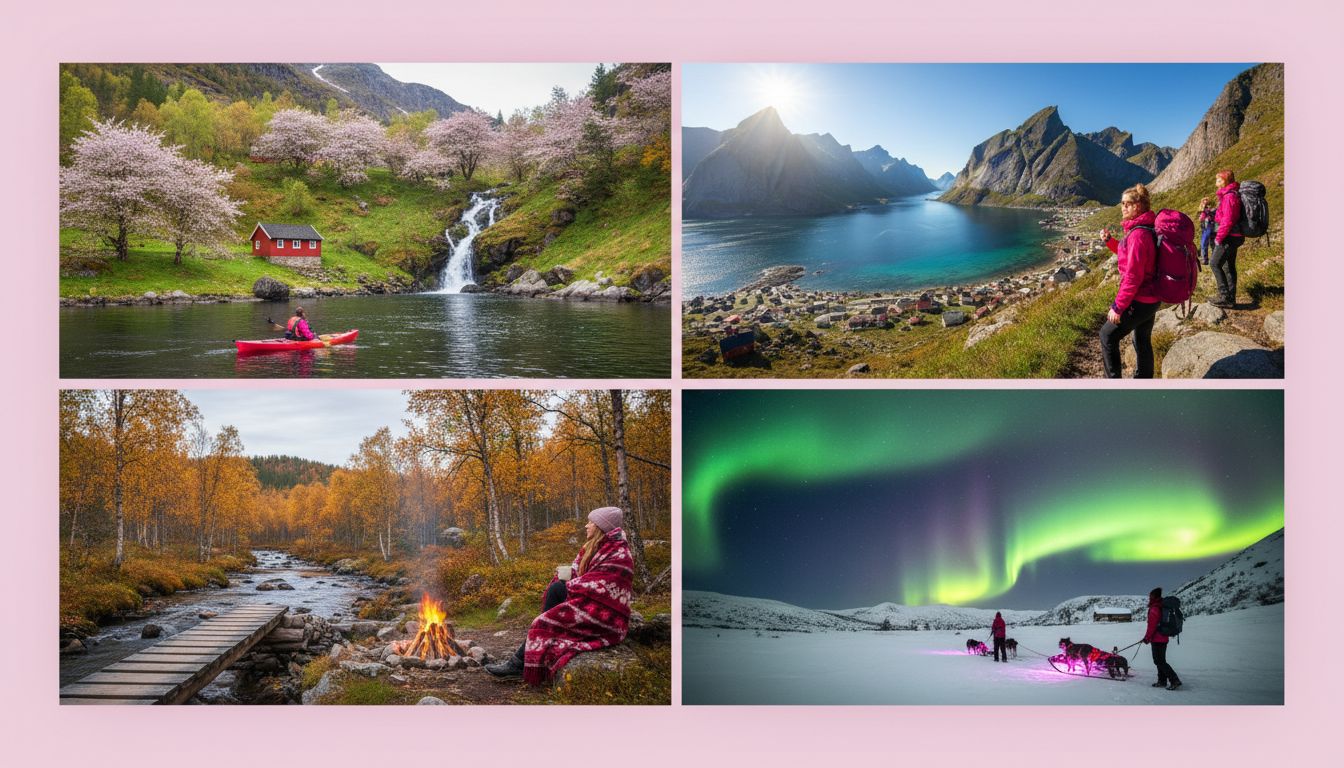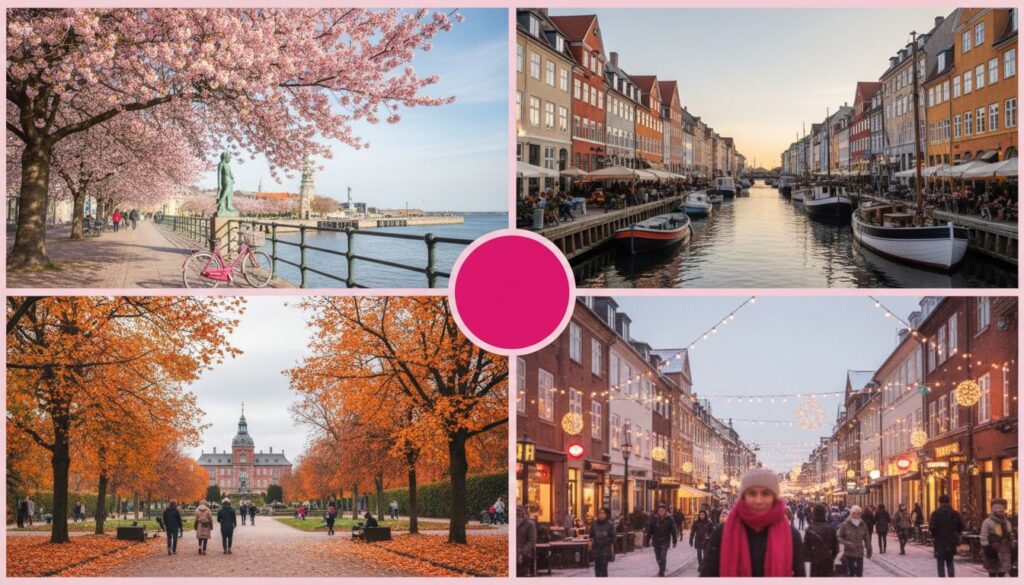
Copenhagen rewards visitors year-round, but knowing when to go makes the difference between a good trip and a great one. Whether you're drawn by the idea of candlelit hygge cafés in winter or long golden evenings along the Nyhavn canal in summer, the Danish capital shifts personality with every season. This guide breaks down exactly what to expect month by month, who should go when, and how to plan a trip that fits your style and budget.
Quick Answer: When Should You Visit Copenhagen?
For most travelers, May, June, and September offer the best combination of decent weather, manageable crowds, and reasonable prices. July is the liveliest but also the most expensive and crowded. January and February are the cheapest months but require a taste for cold, dark days. December brings magical Christmas atmosphere if you book well in advance.
| Month | Weather | Crowds | Relative Price | Best For |
|---|---|---|---|---|
| Jan–Feb | Cold, dark (2–4°C) | Low | Budget | Savings, Light Festival |
| Mar–Apr | Cool, brightening (6–12°C) | Low–Med | Moderate | Cherry blossoms, fewer crowds |
| May–Jun | Mild, long days (14–19°C) | Medium | Moderate–High | Outdoor life, shoulder season |
| Jul–Aug | Warm, festivals (20–22°C) | High | Peak | Festivals, canal life |
| Sep–Oct | Crisp, golden (12–16°C) | Medium | Moderate | Shoulder season sweet spot |
| Nov | Grey, quieter (6–9°C) | Low–Med | Lower | Budget, cozy café culture |
| Dec | Cold, festive (2–5°C) | Med–High | High (weekends) | Christmas markets, hygge |
Winter in Copenhagen (December to February)

Winter in Copenhagen is an experience that divides travelers neatly into two camps: those who love the cozy, candle-everywhere atmosphere, and those who find the short days and damp cold genuinely hard to shake. Average temperatures hover between 1°C and 5°C, and by December the sun sets before 4pm.
December is transformed by Christmas markets. The most atmospheric ones cluster around Tivoli Gardens (which reopens for its winter season), around Nytorv square, and near Kongens Nytorv. Tivoli's Christmas market is the city's most beloved, with wooden stalls, mulled wine (gløgg), and ice skating. Book accommodation at least 2–3 months ahead if you're visiting in December, especially for weekends when prices spike sharply.
January and February are the cheapest months to visit Copenhagen. Hotel rates can drop by 30–40% compared to summer peaks. Budget travelers often find double rooms in well-located hotels for €80–120 per night, compared to €160–250+ in July. The Copenhagen Light Festival in January and February strings art installations across the city, turning the dark streets into something genuinely worth wandering.
Ice swimming has become a surprisingly popular winter activity. Spots like La Banchina in Refshaleøen and Havnebadet Islands Brygge attract both locals and brave visitors. Copenhagen Fashion Week also takes place in February, bringing an edge of glamour to the quietest month.
Who should visit in winter: Budget travelers, couples looking for intimate hygge experiences, and anyone interested in Danish design and food culture without summer crowds at every restaurant door.
Packing for winter: Thermal base layers are non-negotiable. A windproof and waterproof outer layer matters more than a heavy coat because Copenhagen's wind cuts through insulation fast. Waterproof ankle boots with grip will handle icy cobblestones and rain simultaneously.
Spring in Copenhagen (March to May)
Spring arrives slowly but builds into one of the best times to explore the city. March is still cold and grey (around 6–8°C), but by April the days lengthen noticeably and locals reclaim outdoor spaces with visible relief. May is arguably the single best month to visit Copenhagen if you want comfortable weather without the summer price premium.
March hosts CPH:DOX, one of Europe's leading documentary film festivals, which pulls in film lovers from across the continent. The city feels uncrowded and the New Nordic restaurant scene is in full swing with spring menus.
April brings the cherry blossoms to Frederiksberg Gardens and parts of King's Garden near Rosenborg Castle. These bloom windows are short (usually one to two weeks in mid-to-late April) but genuinely stunning and far less crowded than comparable spots in other European capitals. Tivoli Gardens reopens for its spring/summer season in mid-April, marking the city's unofficial transition into warmer months.
May is the sweet spot. Temperatures reach 14–17°C, daylight extends past 9pm, and tourist volumes haven't yet hit their summer peak. You'll be able to book popular restaurants with reasonable notice (2–3 weeks rather than months), cycle along the harbour without fighting crowds, and explore neighbourhoods like Vesterbro and Nørrebro at a comfortable pace.
For families, spring is ideal. School groups are around during Danish holidays but the international tourist crush hasn't built yet, meaning Tivoli and the National Museum are manageable.
Summer in Copenhagen (June to August)

Summer is Copenhagen at its most theatrical. The city gets up to 17 hours of daylight in June, outdoor dining spills across pavements and harbours, and the cultural calendar fills with major events.
June opens with the Distortion Festival, a street party that takes over different neighbourhoods each day. It's loud, fun, and completely unmissable for those who want to see Copenhagen in full social flight. Canal tours run frequently and are worth booking for the Nyhavn-to-Christianshavn route.
July is peak season. The Roskilde Festival (one of Europe's biggest music festivals) draws tens of thousands about 30km from the city. The Copenhagen Jazz Festival runs for ten days in July, scattering free and ticketed performances across the city from concert halls to street corners. Average temperatures reach 20–22°C, which Danes regard as properly warm. Crowds at Tivoli, Nyhavn, and the National Museum are at their highest.
Be realistic about costs in July and August. Mid-range hotel rooms regularly run €180–280 per night. Top restaurants may require bookings 4–6 weeks in advance. That said, many of the city's great pleasures cost nothing: swimming at Havnebadet harbour bath, cycling through Frederiksberg, or watching street life from a bench in King's Garden.
August remains busy but the pace starts to soften slightly toward the end of the month. Copenhagen Fashion Week returns in August. The long evenings make outdoor evening meals by the water genuinely special.
For cycling enthusiasts, summer is optimal. Copenhagen's cycling infrastructure is world-class, but winter ice and rain reduce enjoyment significantly. In summer, renting a bike and using it as your primary transport is the most authentic way to move through the city, and Scandinavia Holiday's destination guides include detailed tips on navigating Copenhagen by bike and beyond.
Who should visit in summer: Families with school-age children (school holidays align globally), festival-goers, first-time visitors who want the full Copenhagen postcard experience.
Autumn in Copenhagen (September to November)

September might be the most underrated month in Copenhagen's calendar. The summer crowds have thinned, temperatures stay pleasant at 13–16°C, and the city settles back into its own rhythm. Locals return from summer holidays, restaurants open again after August breaks, and the cultural season kicks off in earnest.
September is ideal for food travelers. Restaurant reservation windows shorten back to something normal, and chefs launch autumn menus built around game, root vegetables, and mushrooms. The Kulturnatten (Culture Night) in October opens museums, galleries, theatres, and institutions across the city for one free evening, and it draws a genuinely mixed local-and-visitor crowd.
October turns golden and crisp. Tivoli closes for its regular season in late September before reopening for Halloween and then Christmas. Daylight drops to around 10 hours but the quality of light on Copenhagen's copper rooftops and canal reflections is genuinely beautiful.
November is the quietest and greyest month. Prices drop, crowds thin, and the city's interior life becomes the main attraction: design shops in Vesterbro, smørrebrød lunches at traditional lunch restaurants, and long coffee sessions in the kind of candlelit cafés that explain why hygge became an international concept.
For those interested in exploring beyond the city, autumn is excellent for day trips. Kronborg Castle in Helsingør (the model for Hamlet's Elsinore) is far more atmospheric without July's coach parties. The Louisiana Museum of Modern Art north of the city is worth combining with an autumn coastal walk.
Who should visit in autumn: Food and culture travelers, couples, repeat visitors, anyone who found summer Copenhagen too busy.
Month-by-Month Events at a Glance
| Month | Key Event |
|---|---|
| January | Copenhagen Light Festival |
| February | Copenhagen Fashion Week, Ice swimming culture |
| March | CPH:DOX Documentary Film Festival |
| April | Tivoli spring opening, cherry blossoms |
| May | Distortion Festival (early June overlap) |
| June | Distortion Festival, canal tour season peak |
| July | Roskilde Festival, Copenhagen Jazz Festival |
| August | Copenhagen Fashion Week |
| September | Autumn food season opens |
| October | Kulturnatten (Culture Night), Halloween at Tivoli |
| November | Quiet season, hygge culture peak |
| December | Christmas markets, Tivoli winter season |
How Far in Advance Should You Book?
This is one of the most practical questions and also one that most travel guides skip over. Here's a realistic breakdown:
- July and August: Book flights and accommodation 3–5 months ahead. For restaurants in the top tier, reservations 4–6 weeks ahead are often needed. Roskilde Festival tickets sell months in advance.
- December (Christmas period): Hotels book up 2–3 months ahead for good locations near Christmas markets. Tivoli Christmas evening tickets can sell out in popular weeks.
- May, June, September: 4–6 weeks is usually sufficient for good accommodation. Restaurants need 1–2 weeks' notice at popular spots.
- January, February, November: Often book with short notice. Last-minute deals on flights and hotels are genuinely available.
Best Time to Visit Copenhagen by Traveler Type
Families with young children: Late April through June, or September. Tivoli is manageable, outdoor activities are accessible, and the pace isn't exhausting.
Couples and honeymoons: December for atmosphere and intimacy, or May for comfortable weather and romance without summer chaos.
Budget travelers: January or February. Combine the Light Festival, ice swimming, world-class museums, and New Nordic dining at more accessible prices.
Food and restaurant enthusiasts: September through November for autumn menus, or March for spring menus. Summer sees the best of outdoor dining but the hardest restaurant bookings.
Festival and nightlife seekers: Late June and July, without question.
First-time visitors: May or early September for the best balance of everything.
For broader Nordic travel inspiration and to put Copenhagen in the context of a Scandinavian itinerary, the Scandinavia Holiday inspiration section is a useful starting point for thinking beyond the city.
Practical Notes on Weather and What to Pack
Copenhagen sits on a temperate oceanic climate influenced by the Baltic. Rain is distributed fairly evenly year-round (10–15 wet days per month), so a packable waterproof jacket is essential in every season. The real seasonal variable is temperature and wind, not rainfall.
- Winter: Thermal base layer, windproof waterproof outer jacket, waterproof boots with ankle support, hat and gloves.
- Spring: Layers that peel off. A medium-weight jacket works for March and April; a light jacket covers May. Always carry rain cover.
- Summer: Light clothing but pack a light waterproof layer. Even July evenings can feel cool by the water.
- Autumn: A proper mid-layer (fleece or down) under a waterproof shell. September is often warm enough for lighter clothing; November needs winter-level preparation.
One thing competitors consistently understate: the wind. Copenhagen is flat and coastal, and wind amplifies cold well beyond what a thermometer suggests. A windproof outer layer matters more than raw insulation.
Frequently Asked Questions
Is Copenhagen worth visiting in winter?
Absolutely, particularly December for Christmas markets and January for the Light Festival. The dark days are real but the city's indoor culture, design scene, and food offer more than enough to fill a trip.
What is the cheapest month to visit Copenhagen?
January and February consistently offer the lowest hotel and flight prices. November is also quiet and affordable.
How many days do you need in Copenhagen?
Three full days covers the major highlights comfortably. Four or five days allows for a day trip (Helsingør, Louisiana Museum, or a quick cross to Malmö in Sweden) and a more relaxed pace.
When is Tivoli Gardens open?
Tivoli runs a spring/summer season from mid-April through late September, a Halloween season in October, and a Christmas season through December. It closes in November and for brief windows between seasons.
Is summer too crowded in Copenhagen?
July is genuinely busy at major attractions, but Copenhagen doesn't feel overwhelming in the way that Prague or Amsterdam can in peak season. The city is walkable, the transport works, and a short cycle out of the center finds quieter neighbourhoods quickly.
For those planning a wider Scandinavian trip, Scandinavia Holiday offers travel guides and curated experiences across Denmark, Sweden, Norway, and Finland to help you build an itinerary around the best time for your destinations.
Article created using Lovarank