More people than ever want to travel with a lighter footprint. According to recent research, 84% of global travelers say they want to travel more sustainably, yet many feel overwhelmed about where to actually start. The good news is that sustainable travel is less about perfection and more about making consistently better choices, before you leave home, while you're on the road, and after you return.
This guide breaks the process into a clear framework and covers some of the gaps that most travel advice ignores, including how to spot greenwashing, how to travel green on a budget, and what regenerative travel actually means in practice.
What Is Sustainable Travel?
Sustainable travel means exploring the world in a way that minimizes environmental harm, supports local communities, and preserves cultural heritage for future generations. It sits on a spectrum alongside two related terms worth understanding:
- Responsible travel is about awareness: respecting local customs, not disturbing wildlife, and being a thoughtful guest.
- Sustainable travel goes a step further: actively reducing your carbon footprint, choosing eco-certified services, and keeping economic benefits local.
- Regenerative travel is the newest and most ambitious tier: leaving a destination in better shape than you found it, by volunteering, funding conservation projects, or choosing operators that actively restore ecosystems.
Most of us will move between all three modes on any given trip, and that is completely fine.
Before You Leave: Planning a Low-Impact Trip

The most consequential sustainability decisions happen before you book anything. A few choices at the planning stage can reduce your trip's total environmental impact by 50% or more.
Choose Your Destination Wisely
Overtourism is a genuine crisis. In 2024 and 2025, cities from Barcelona to Kyoto introduced visitor caps, tourist taxes, and protest movements against mass tourism. Choosing a lesser-visited destination, or visiting popular spots in shoulder season (April–May or September–October), directly reduces pressure on fragile ecosystems and communities.
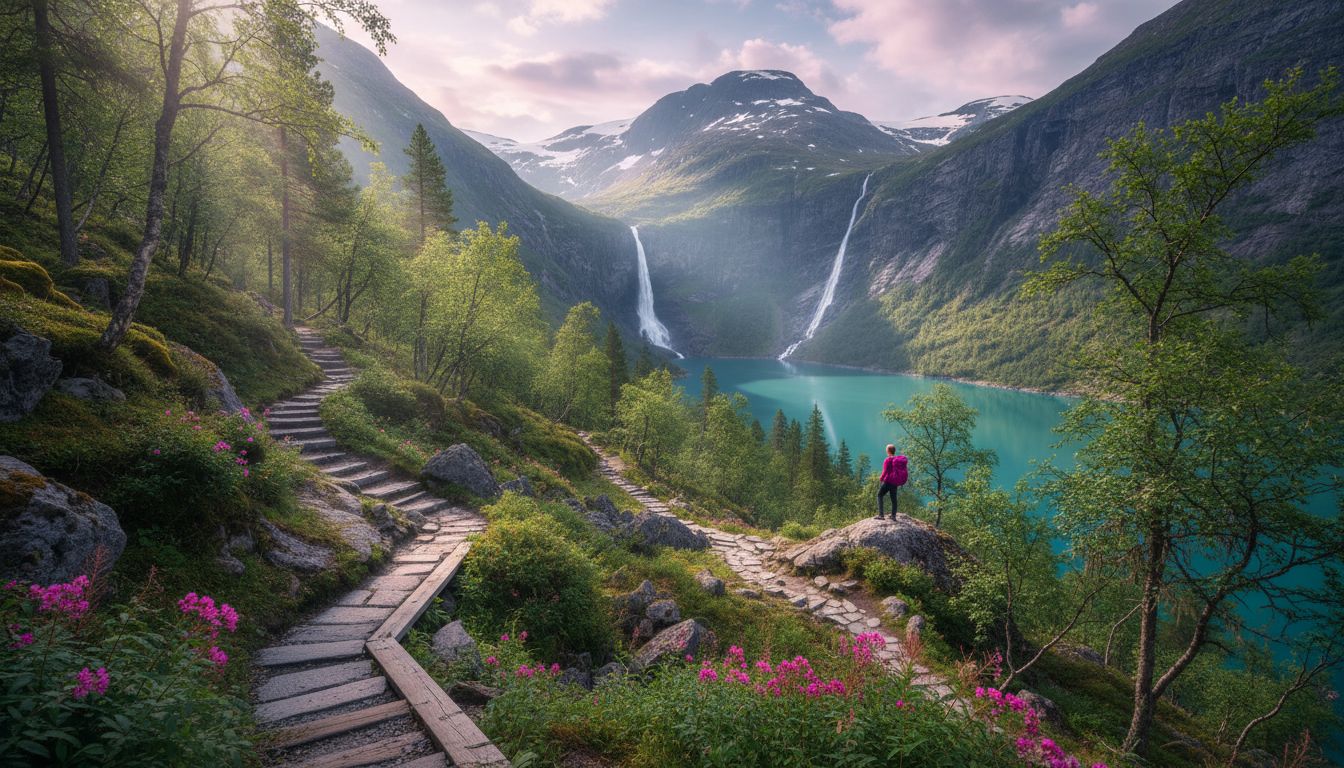
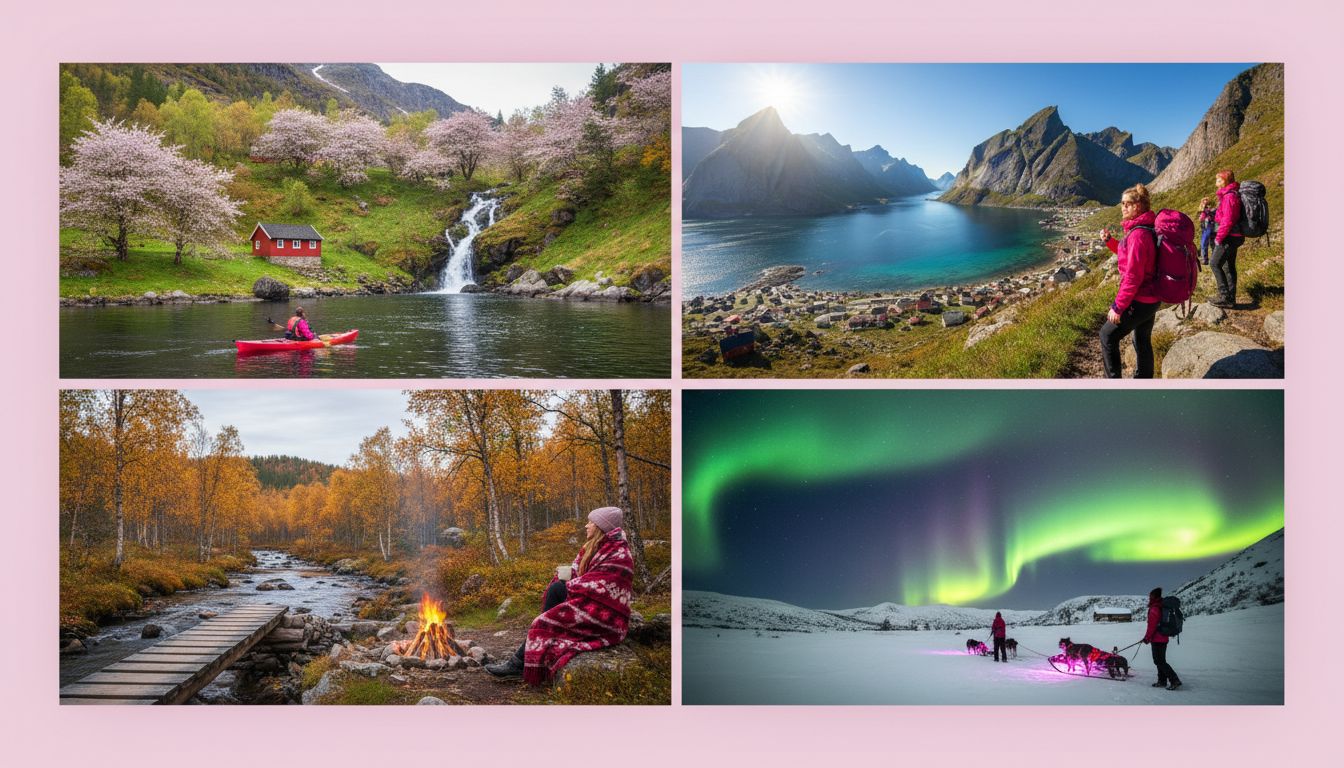
Scandinavia is a strong example of a region with excellent sustainable infrastructure. Countries like Norway, Sweden, and Finland consistently rank among the world's most environmentally progressive destinations, with extensive public transport, well-maintained hiking trails, and strong regulations protecting wilderness. Exploring Nordic destinations can offer a genuinely low-impact travel experience without compromising on beauty or cultural depth.
Rethink Your Transport Before Booking
Transport is the single largest contributor to a trip's carbon footprint, and flying is by far the biggest factor. A return flight from London to New York produces roughly 1.5 to 2 tonnes of CO₂ per passenger, while the equivalent train journey in Europe produces 10 to 15 times less.
Use this simple decision framework before booking:
- Can you reach your destination by train in under 6 hours? If yes, the train is almost always the better choice, and often comparable in price when booked in advance.
- Is the journey 6–12 hours by train? Overnight trains eliminate both hotel costs and emissions, making them both sustainable and budget-friendly.
- Does the trip require flying? Choose direct flights (take-off and landing produce the most emissions), fly economy (business class has a 3x larger footprint per seat), and consider a longer stay to offset the flight's impact across more days.
Free carbon calculators like Atmosfair, MyClimate, and the ICAO Carbon Emissions Calculator let you compare transport options side by side before you commit.
Spot Greenwashing Before You Book Accommodation
This is one of the most overlooked skills in sustainable travel. Many hotels and tour operators use vague language like "eco-friendly" or "nature-inspired" with zero third-party verification behind it. Here is how to check:
- Look for recognized certifications: The Global Sustainable Tourism Council (GSTC), Green Key, Rainforest Alliance, and EarthCheck are among the most credible. B Corp status is increasingly used by ethical tour operators.
- Ask specific questions: Does the property use renewable energy? Do they source food locally? Do they have a policy against single-use plastics?
- Check booking platforms carefully: Booking.com has a "Travel Sustainable" badge, but it is self-reported. Cross-reference with the certification bodies above.
- Watch for red flags: Heavy use of green imagery with no verifiable certifications, vague claims like "we care about nature," and no mention of specific practices.
During Your Trip: Everyday Choices That Add Up

Pack Light and Pack Smart
Every extra kilogram on a plane increases fuel consumption. Packing light is a genuinely measurable sustainability act, and it also makes travel far more enjoyable.
Essential sustainable packing items:
- A reusable water bottle with a built-in filter (particularly useful in regions where tap water quality varies)
- Reusable shopping bags and a travel cutlery set
- Solid toiletries (shampoo bars, conditioner bars, solid sunscreen) to eliminate plastic bottles
- A microfiber towel instead of relying on hotel laundry
Get Around Sustainably at Your Destination
Once you arrive, your transport choices continue to matter. Public transport, cycling, and walking are almost always available in urban destinations and dramatically reduce your local footprint. Renting an electric bike or scooter is a practical middle ground in destinations where public transport is limited.
For rural or wilderness areas, guided group tours are more efficient per person than individual rental cars, and they often directly support local guides and small businesses.
Eat and Shop Local
One of the simplest, most enjoyable, and most impactful things you can do as a sustainable traveler is to keep your spending within the local economy. Research consistently shows that when travelers eat at locally owned restaurants, stay in locally owned accommodation, and buy from local artisans, a significantly higher percentage of that money stays in the community compared with spending at international chains.
Practically, this means:
- Eating where locals eat, not just where tourists are directed
- Visiting morning markets and buying produce or crafts directly from producers
- Hiring local guides rather than booking through large international platforms
- Avoiding global fast food chains and hotel restaurant packages
Respect Wildlife and Natural Spaces
If a wildlife experience seems designed for your photo opportunity rather than the animal's welfare, that is usually a sign something is wrong. Avoid any experience that involves direct contact with wild animals, animals performing tricks, or captive wildlife presented as a photo backdrop.
In natural environments, stick to designated trails, carry your waste out, and observe any fire or camping restrictions. A useful rule: leave natural areas as if you were never there.
After Your Trip: Closing the Loop
Sustainable travel does not end when you get home. A few post-trip habits complete the cycle:
Carbon offsetting: While offsetting should not be a substitute for reducing emissions in the first place, it is a useful tool for unavoidable flights. Choose projects verified by Gold Standard or VCS (Verified Carbon Standard) rather than unverified commercial schemes.
Share what you learned: Talking about sustainable travel options with friends, family, and on social media genuinely shifts cultural norms. Word-of-mouth is still the most powerful marketing channel, and it works for responsible travel too.
Give feedback: Leave honest reviews of eco-certified properties. If an accommodation fell short of its claims, say so. If a local operator was exceptional, celebrate them.
Budget-Friendly Sustainable Travel
One of the most persistent myths about sustainable travel is that it costs more. In many cases, the opposite is true:
- Train travel booked 4–6 weeks in advance is frequently cheaper than flying, especially in Europe.
- Staying longer in fewer places reduces transport costs and accommodation turnover.
- Eating local food at markets almost always costs less than tourist restaurants.
- Carrying a reusable water bottle eliminates daily plastic bottle purchases, which add up significantly over a two-week trip.
- Travelling in shoulder season reduces accommodation prices by 20–40% at most destinations.
The combination of slower travel, local spending, and reduced flying can make a sustainable trip not just greener but genuinely more affordable.
Sustainable Travel for Digital Nomads and Long-Term Travelers

This is a growing segment that almost no sustainable travel guidance addresses. If you work remotely and travel continuously, the carbon math actually works in your favor: staying in one place for several weeks or months produces far less cumulative transport emissions than taking multiple short trips.
Practical sustainable habits for long-term travelers:
- Choose accommodation with kitchen facilities to reduce food packaging waste
- Use co-working spaces that run on renewable energy
- Register with local volunteer or conservation programs during extended stays
- Build relationships with local communities rather than remaining in tourist bubbles
For those drawn to Northern Europe, the region offers some of the best infrastructure for sustainable long-term travel. The Scandinavia Holiday inspiration hub covers slow travel routes and sustainable itineraries across Norway, Sweden, Denmark, and Finland that work well for extended stays.
A Sustainable Travel Checklist
Use this before every trip:
Before you go
- Compared transport emissions and chosen the lowest-impact option
- Booked accommodation with a verified eco-certification
- Researched local customs and basic phrases in the local language
- Packed a reusable bottle, bags, and solid toiletries
- Identified local restaurants, guides, and markets at your destination
While you travel
- Using public transport, walking, or cycling where possible
- Eating at locally owned restaurants
- Respecting wildlife guidelines and staying on marked trails
- Minimizing plastic use and carrying waste to proper disposal
- Purchasing directly from local artisans and producers
After you return
- Offset unavoidable flight emissions through a Gold Standard verified project
- Left honest reviews of sustainable properties
- Shared useful sustainable travel information with your network
Frequently Asked Questions
Is sustainable travel more expensive?
Not necessarily. Trains, local food, and shoulder-season travel can all be cheaper than conventional alternatives. The key is planning ahead.
What is the single most impactful change I can make?
Reducing how often you fly, or replacing a short-haul flight with a train journey, has a larger environmental impact than any other single decision.
How do I know if a hotel is genuinely eco-friendly?
Look for third-party certifications from bodies like Green Key, GSTC, or EarthCheck. Self-declared "eco-friendly" labels without verification should be treated with skepticism.
What is regenerative travel?
Regenative travel goes beyond reducing harm. It means actively contributing to the restoration of ecosystems, communities, and cultures. Practically, this can mean volunteering with local conservation projects, choosing tour operators that fund reforestation, or supporting social enterprises that reinvest profits into community development.
Can I travel sustainably with children?
Yes, and it can be a powerful educational experience. Trains, local food, and nature-based activities are often more child-friendly than conventional resort holidays. Slower travel with more time in fewer places suits children's rhythms well and reduces the logistical stress of frequent moves.
Sustainable travel is not a fixed destination but a direction. Every small decision, choosing the train over the plane, eating at the family-run restaurant down the side street, buying the handmade ceramic directly from the potter, adds up to something meaningful. The goal is not to be a perfect traveler but to be a progressively more thoughtful one. If you're looking for a region where sustainable infrastructure and extraordinary landscapes come together naturally, Scandinavia Holiday is a good place to start exploring.
Article created using Lovarank